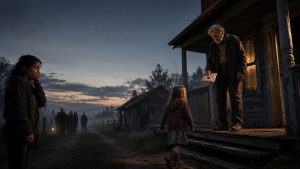
The Chief Who Wanted Peace And Died For It — The Tragic Story Of Black Kettle
The military societies, with their own leadership and traditions of autonomy, operated outside the council’s formal authority.
This structural division between civil peace authority and military capacity was a permanent feature of Cheyenne political life.
In the 1860s, this division became a fault line.
The peace chiefs, led by Black Kettle, advocated for negotiation and treaty compliance.
The military societies, particularly the Dog Soldiers under leaders like Tall Bull, advocated for armed resistance and continued raiding.
The division was not simply between cowards and warriors, as some popular accounts have implied.
It was a genuine strategic debate between people who held different views about what path offered the best chance of Cheyenne survival.