The Man Found In A Melting Glacier — And The DNA Test That Found 17 Living Relatives Centuries Later
The specific challenges of glacier crossing — the conditions, the timing, the hazards — are knowledge that people who have used these routes have passed along.
The relationships between the coastal Tlingit and the interior Champagne and Aishihik people — the trade relationships, the family connections, the specific protocols and obligations that governed encounters between members of different communities — are part of a social history that oral tradition preserves in ways that no scientific analysis can recover from bones or clothing.
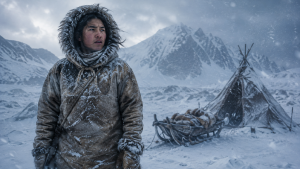
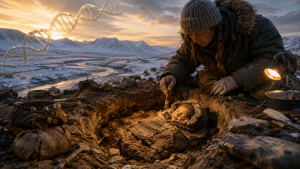
When traditional knowledge holders from the Champagne and Aishihik First Nations and from the Tlingit communities participated in discussions about Kwäday Dän Ts’ìnchi — about who he might have been, where he might have been going, what his presence in the glacier region might mean — they were bringing this body of knowledge to bear on a set of material evidence that the scientific team had assembled.
The convergence between what the isotopes and the clothing suggested and what the traditional knowledge described was not a simple confirmation of one by the other.