The Mystery Of Crazy Horse’s Final Resting Place — And The Search For The Lost Burial Site
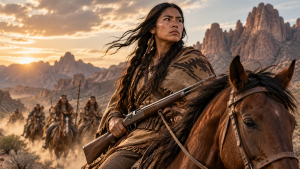
Tȟašúŋke Witkó — the man who was born around 1840, who fought the United States Army for decades, who surrendered to preserve his people’s lives rather than because he had lost, who was killed in circumstances that remain contested, who was buried in a location that his family protected — belongs to the longer story of the Lakota people and of the American West.
That longer story does not end with his death.
It continues through the reservation era, through the massacre at Wounded Knee in 1890, through the allotment act and the boarding school era and the Indian New Deal and the termination era and the occupation of Wounded Knee in 1973 and the ongoing legal battles over the Black Hills and water rights and treaty obligations.
In that longer story, Crazy Horse’s life and death is one moment — a significant and symbolic moment, but one moment.