The Native Alaskan Survival Story That Revealed How Indigenous Knowledge Helped Humans Adapt To One Of Earth’s Harshest Environments
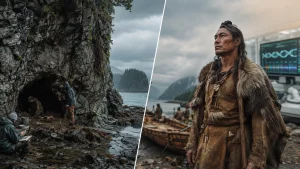
The reindeer parka that Ada Blackjack was wearing when the Donaldson’s crew found her was not an accident or an improvisation.
It was the product of a technology refined over thousands of years, and she had sewed it herself from the same design principles that Iñupiat women had been using since long before any European set foot on Arctic soil.
They developed a food system that, without nutritional science, solved the vitamin C problem that killed European explorers for centuries.
They developed travel and navigation knowledge that allowed safe passage over sea ice environments that Western-educated men could not navigate without dying.
All of this was knowledge held not in institutions or texts but in people — in the elders who taught the young, in the practices transmitted through participation, in the seasonal rhythms of a subsistence life organized around the Arctic’s own rhythms.