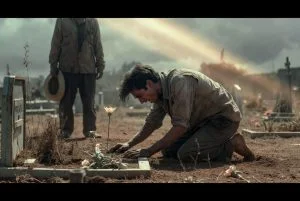
The Native American Code Japan Could Never Break In WWII – And Why The Men Behind It Were Ordered To Stay Silent
It was a reflection of the genuine novelty of what they were hearing.
No amount of analytical sophistication could rapidly decode a message in a language the analyst does not speak, especially when the language itself is encoding a secondary layer of specialized terminology that doesn’t correspond to the natural meanings of the words being used.
The combination of Navajo’s inherent opacity to Japanese analysis and the additional encoding layer of the military vocabulary and substitution alphabet meant that the Navajo code provided a security margin that no mechanical encryption system of the era could match.
The Landscape of Other Native Code Programs
The Navajo Code Talkers operated within a broader history of Native Americans serving as communications specialists in U.S. military operations — a history that stretches back at least to World War I and that complicates any simple narrative about the Navajo program being the first or the only such effort.
During World War I, Cherokee, Choctaw, and other Native soldiers had served in communications roles, using their languages to transmit tactical information in ways that German signals intelligence found difficult to analyze.