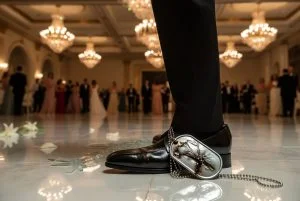
The Native American Code Japan Could Never Break In WWII – And Why The Men Behind It Were Ordered To Stay Silent
What the Code Actually Secured
The specific operational value of the Navajo Code Talker system is documented in the records of the campaigns in which it was used, but it resists precise quantification in the way that military historians sometimes wish it did not.
Attributing specific outcomes — specific battles won or lost, specific casualties caused or prevented — to any single communications system is methodologically difficult, because military operations are complex systems with many interacting variables.
What the records do support is a consistent picture across multiple campaigns: Marine commanders who used the Navajo Code Talker system valued it highly, integrated it into their communications planning as a core capability, and assessed it as providing genuine operational advantages in both speed and security.
The speed advantage — the ability to transmit fire missions, troop movements, and tactical instructions in seconds rather than minutes — was real and consequential in the fluid, fast-moving conditions of Pacific amphibious operations.
The security advantage — the confirmed inability of Japanese signals intelligence to exploit Code Talker transmissions — was equally real.