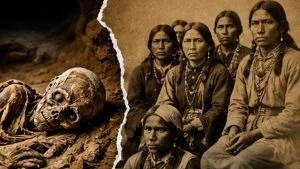
The Seneca Man Who Wrote The Surrender Terms At Appomattox – Then Became America’s First Native Commissioner Of Indian Affairs
The reservation is smaller than it was before the Treaty of Buffalo Creek, smaller than it was before the treaties of the early nineteenth century, smaller than the territory the Seneca people had inhabited for centuries before contact with European settlers.
But it exists.
The community that Ely Parker came from persists.
Whether it persists because of the work Parker and others like him did to defend it, or whether it would have survived regardless, is a question that cannot be answered with certainty.
What can be said is that the defense mattered, and that Parker was part of it — not only in the formal negotiations of the 1840s and 1850s, but in the longer arc of his life, which demonstrated to anyone paying attention that Native people could function at the highest levels of American institutional life without ceasing to be who they were.
That was not a small thing to demonstrate.