The Shawnee Leader Who Almost Built A Native American Nation — And Why His Plan Was The Last Real Chance
The treaties that followed were often coercive, deceptive, or both.
American negotiators would identify Native leaders who were either genuinely willing to sell land or who had been pressured, bribed, or manipulated into signing agreements.
Once signed, the treaties were held to be legally binding on all members of the nation, regardless of whether they had agreed.
This is the system that Tecumseh opposed.
His argument was elegantly simple: the land belonged to all the Native peoples together, in the same way that the air and water belonged to all.
No individual chief had the authority to sign away what belonged to everyone.
You Might Also Like

The Night We Figured Out Who Would Show Up
Daily Gossips

He Cut My Newborn From the Family Fortune. He Never Learned Who the Sole Trustee Was
Daily Gossips

You Are My Daughter
Daily Gossips
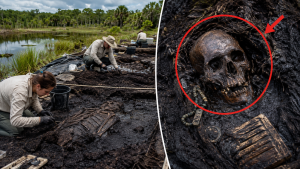
The 8,000-Year-Old Cemetery Found Beneath A Florida Pond — And The Human Brain Tissue Still Preserved Inside The Skulls
Daily Gossips