The Whisper That Saved My Life
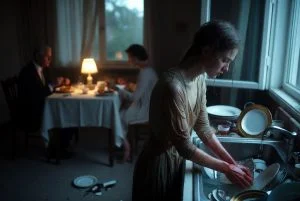
I had ruined her plan.
My crime was surviving, was noticing, was failing to fade away quietly on the schedule she’d designed.
She spoke about my death the way a person speaks about a thwarted renovation, aggrieved that the timeline had slipped. If she had only finished her tea. As though my drinking the poison she gave me were a courtesy I had rudely withheld.
There is a specific horror in standing in front of a person who has tried to murder you for years and realizing that they feel put out — that in the whole architecture of their mind, you are not a victim but an inconvenience, and your refusal to die on cue is the true injustice of the story.
I had spent the drive up the mountain bracing to face a monster.
What I faced was worse, in a way: not a snarling villain but a woman calmly certain of her own reasonableness, explaining to her son that everything would have been fine, would have been lovely, if only his wife had cooperated with her own killing.