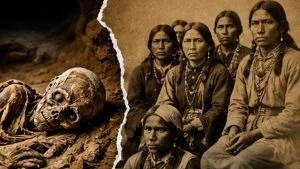
The Young Woman Found In An Idaho Gravel Quarry — And The 12,500-Year-Old Burial That Complicated The Clovis Story
The tension among these realities does not resolve into a clean moral or scientific conclusion.
It is the condition of doing archaeology with ancient Native American remains in a society that has begun to recognize the rights of Indigenous peoples over their ancestors’ remains.
The Buhl case is not the most contentious repatriation case in American archaeology — Kennewick Man holds that distinction, having generated years of litigation, multiple amicus briefs, and extensive scientific publication before its eventual reburial in 2017.
But the Buhl case is significant as an early instance of repatriation under state law, predating NAGPRA’s full implementation, and it illustrates the tensions that would later become more publicly visible in the Kennewick case and others.