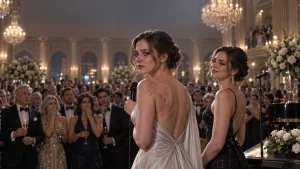
Where to Point the Lens
“You just have to know where to point the lens.” And Maya laughed, a real laugh, wet and surprised and free, and reached down and pulled her little brother into the hug, and I stood in my dining room with the spilled wine and the rattled mirror and my three people wrapped around each other, and I understood that my sister, in trying to shatter my daughter that night, had instead given her something she could never have received any other way: the unforgettable, bone-deep experience of being fiercely, completely defended by the people who loved her.
Gwen had tried to teach Maya she was worthless.
She had, instead, shown my daughter exactly how much she was worth to the family that had just risen, as one, to protect her.
I have thought about that a great deal since, the strange alchemy by which the worst moment became one of the best, and I have come to believe it is a thing worth understanding, because it does not happen automatically, and it is not guaranteed.
Cruelty aimed at a child can do lasting damage; I would never pretend otherwise, and if my family had responded to Gwen’s attack the way families so often do, with awkward silence, or half-hearted defense, or the wretched instinct to smooth things over and not make a scene, then the night would have taught Maya the lesson her aunt intended: that she really was an embarrassment, that even her own family half-agreed, that her marks really were something to apologize for.