
Before dawn, Caracas convulsed under a sudden barrage of explosions and wailing sirens.
Smoke spiraled over the skyline, and rumors raced faster than any official announcement: the president was gone. Within hours, Donald Trump appeared on camera, calling it a “flawless operation.” But beneath the bravado, questions gnawed at analysts and citizens alike—where was Maduro, who truly controlled the streets, and could a single strike really rewrite a nation overnight?
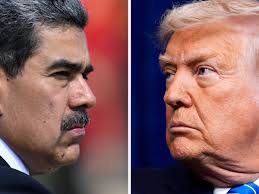
Trump credited Delta Force operatives with the capture of Nicolás Maduro and his wife, framing it as a swift, surgical strike. In the capital, disbelief and fear took hold. Venezuelan authorities decried the mission as criminal foreign aggression, framing it as an imperialist seizure of the country’s oil and mineral wealth. Across Caracas, Miranda, La Guaira, and Aragua, low-flying aircraft and sporadic blasts left residents glued to rooftops, social media, and newsfeeds for any sign of clarity.
Defense Minister Vladimir Padrino López vowed an “unbreakable wall of resistance,” even as officials admitted uncertainty over the president’s whereabouts. Vice President Delcy Rodríguez demanded immediate proof of life, while Colombian President Gustavo Petro warned of missiles over Caracas and implored the UN to intervene before chaos spilled across the region. The city’s nerves were taut, each horn, siren, and explosion a reminder that order and authority were suddenly fragile.
Conclusion:
Venezuela now teeters on the edge of uncertainty. The U.S. presents the operation as decisive, yet Caracas and its neighbors face fear, confusion, and the very real risk of escalation. How Maduro’s capture—or disappearance—is confirmed will shape not only the nation’s future but the geopolitical balance of Latin America for years to come. In moments like these, a single strike carries consequences far beyond the battlefield.