
A holiday concert quickly became a political flashpoint.
When jazz musician Chuck Redd canceled his scheduled performance at the Kennedy Center, citing opposition to the venue’s controversial renaming, he ignited a firestorm that could carry far-reaching repercussions.
The incident highlights the growing tension between art, politics, and public expectations—and raises questions about how far cultural institutions can—or should—go when honoring political figures.
The Cancellation
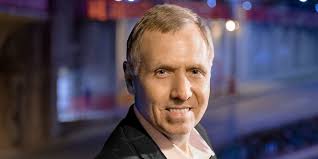
Chuck Redd abruptly withdrew from his scheduled Christmas Eve performance after the Kennedy Center board approved renaming the institution the Trump Kennedy Center, adding former President Donald Trump’s name alongside that of the assassinated President John F. Kennedy. The decision, approved unanimously on December 18, sparked immediate backlash from some performers.
“When I saw the name change on the Kennedy Center website and then hours later on the building itself, I chose to cancel our concert,” Redd told the Associated Press.
Institutional Response
Richard Grenell, president of the Kennedy Center, criticized Redd’s cancellation, framing it as a politically motivated stunt that harmed the nonprofit arts organization. In a letter obtained by Fox News Digital, Grenell demanded $1 million in damages, calling the withdrawal “classic intolerance” and costly to the institution.
Grenell later emphasized on X that artists who cancel over political disagreements would face consequences. “The left is boycotting the Arts because Trump is supporting the Arts. But we will not let them cancel shows without consequences. The Arts are for everyone—and the Left is mad about it,” he wrote.
A Kennedy Center spokesperson echoed the criticism, stating that canceling performances for political reasons represents a failure to meet the responsibilities of a public artist. “Any artist canceling their show at the Trump Kennedy Center over political differences isn’t courageous or principled. They are selfish, intolerant, and have failed to meet the basic duty of a public artist: to perform for all people,” the spokesperson said.
A Pattern of Political Disputes
Redd is not the first performer to withdraw from the Kennedy Center over political disagreements. Last spring, the cast of Hamilton canceled planned performances following Trump’s involvement with the institution, and several other artists have followed suit. The cancellations have fueled a broader debate over whether art can—or should—remain politically neutral.
Trump’s Global Recognition
The controversy coincides with other high-profile moments for Trump at the Kennedy Center. Earlier this month, he received the inaugural FIFA Peace Prize, marking the first time the global soccer organization issued the award. FIFA President Gianni Infantino presented the trophy and medal during the World Cup final draw, celebrating Trump’s claimed efforts to end conflicts and promote global peace. A certificate accompanying the prize cited leadership and action advancing “peace and unity.”
Trump described the honor as “truly one of the great honors of my life,” highlighting his administration’s foreign policy achievements, including efforts he says prevented wars and saved millions of lives.
Conclusion
Chuck Redd’s canceled performance underscores the complex intersection of politics and the arts in America. With the Kennedy Center now carrying Trump’s name, performers and institutions are navigating a landscape where political actions, personal convictions, and public expectations collide. From concert cancellations to awards and legal disputes, this controversy illustrates just how intertwined culture and politics have become—and how every choice in the public eye carries both symbolic and tangible consequences.