
The Green Question Inside Your Lobster
At a recent dinner party, a platter of whole lobsters arrived at the table—shells cracked open, claws piled high, and nestled inside each body, a smear of deep green. Some guests leaned in with curiosity. Others quietly hesitated. That small, unassuming organ had turned a celebratory meal into a moment of uncertainty.
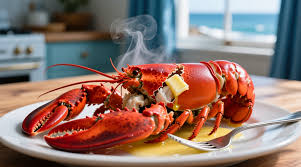
Lobster is one of the most revered foods in the culinary world, a symbol of indulgence and occasion. But beneath its reputation lies a truth many diners never consider: how a lobster is cleaned matters just as much as how it’s cooked. And at the center of that conversation is tomalley.
What Tomalley Actually Is
Tomalley is the lobster’s digestive organ, functioning much like a liver and pancreas combined. It plays a critical role in filtering impurities and processing nutrients. Its color—ranging from pale green to dark olive—reflects the lobster’s diet and environment.
For some, tomalley is a prized delicacy with a rich, briny flavor. For others, it’s something to be scraped out without a second thought. The divide isn’t just about taste—it’s about what tomalley carries with it.
Flavor vs. Filtration
Because tomalley filters contaminants from the lobster’s body, it can also accumulate toxins present in the surrounding waters. Environmental pollutants and heavy metals may concentrate there over time. During certain conditions, such as harmful algal blooms or red tide events, health authorities often advise avoiding tomalley altogether.
Occasional consumption may pose little risk for most people, but regular intake increases exposure—particularly for children, pregnant individuals, or those with compromised immune systems.
Why Proper Cleaning Matters
Cleaning a lobster isn’t about stripping it of character—it’s about refining the experience. Removing gills, digestive material, and optionally tomalley improves both texture and safety. It also eliminates bitterness that can overpower the natural sweetness of the meat.
A well-cleaned lobster allows diners to focus on flavor, not hesitation.
A Matter of Culture and Choice
In some culinary traditions, tomalley is celebrated. It’s blended into sauces, spread on bread, or folded into pasta for richness. In others, only the white meat is considered desirable.
Neither approach is wrong. What matters is awareness—and choice. Serving tomalley intentionally, rather than automatically, respects both tradition and individual comfort.
A Simple, Clean Approach to Preparation
After cooking the lobster by boiling or steaming, allow it to cool slightly. Remove the claws and tail, extracting the meat carefully. The tail vein should be pulled and discarded. When opening the body cavity, remove the gills and internal organs. Tomalley can be saved separately or discarded, depending on preference. A quick rinse of the meat under cold water is enough—no soaking required.
Common Missteps to Avoid
Overcooking is the most frequent mistake, resulting in tough, rubbery meat. Skipping cleaning leaves behind unpleasant textures and flavors. Using dull or improper tools turns preparation into a struggle rather than a ritual.
Should Tomalley Be Served?
The safest compromise is moderation and transparency. Serve tomalley on the side, clearly identified, and allow guests to decide for themselves. Staying informed about local shellfish advisories adds another layer of responsibility.
Thoughtful Hosting Makes the Difference
When lobster is served with care—cleaned properly, cooked gently, and presented with options—it becomes more than a dish. It becomes an experience. Respecting dietary comfort, labeling components, and keeping preparation clean and quiet all elevate the meal.
Conclusion
Lobster is meant to be enjoyed, not questioned with every bite. Understanding tomalley—what it is, what it does, and what it carries—allows cooks and diners to make informed choices. With careful cleaning, mindful cooking, and respect for personal preference, lobster remains what it should always be: a safe, celebratory indulgence that brings people together, not uncertainty to the table.