
A quiet memo circulating within the Department of Education has ignited a storm across the nation’s campuses: a degree once recognized as “professional” is suddenly excluded from key federal benefits.
The timing, the secrecy, and the potential consequences for an already stretched workforce have left students, educators, and healthcare advocates asking a pressing question—what prompted this decision?
Nursing No Longer a “Professional Degree”

Public outrage erupted after the Department of Education announced that nursing, a cornerstone of the nation’s healthcare system, would no longer be classified as a professional degree.
Under the Trump administration’s One Big Beautiful Bill Act, students enrolled in programs deemed “professional degrees” are eligible for up to $200,000 in federal student loans, while all other degree tracks are capped at $100,000. With nursing removed from the list, students now face reduced access to federal funding at a time when the healthcare system is already under strain.
Currently, over 260,000 students are pursuing a Bachelor of Science in Nursing, with another 42,000 enrolled in Associate Degree in Nursing programs. Experts warn that the new classification could deter prospective nurses, worsening an already critical shortage.

“Nurses are the backbone of America’s healthcare system,” said Dr. Jennifer Mensik Kennedy, president of the American Nurses Association. “We are already tens of thousands of nurses short, and this rule will make it harder for people to enter nursing education—including those training the next generation of caregivers.”
The American Association of Colleges of Nursing condemned the decision as well:
“Excluding nursing from the professional degree category undermines decades of progress toward equality among health professions and contradicts the Department’s own standards, which define professional programs as those leading to licensure and hands-on practice.
If finalized, this proposal could be catastrophic for an already stretched nursing workforce.”
Department of Education Responds
Ellen Keast, press secretary for higher education at the Department of Education, defended the policy, stating:
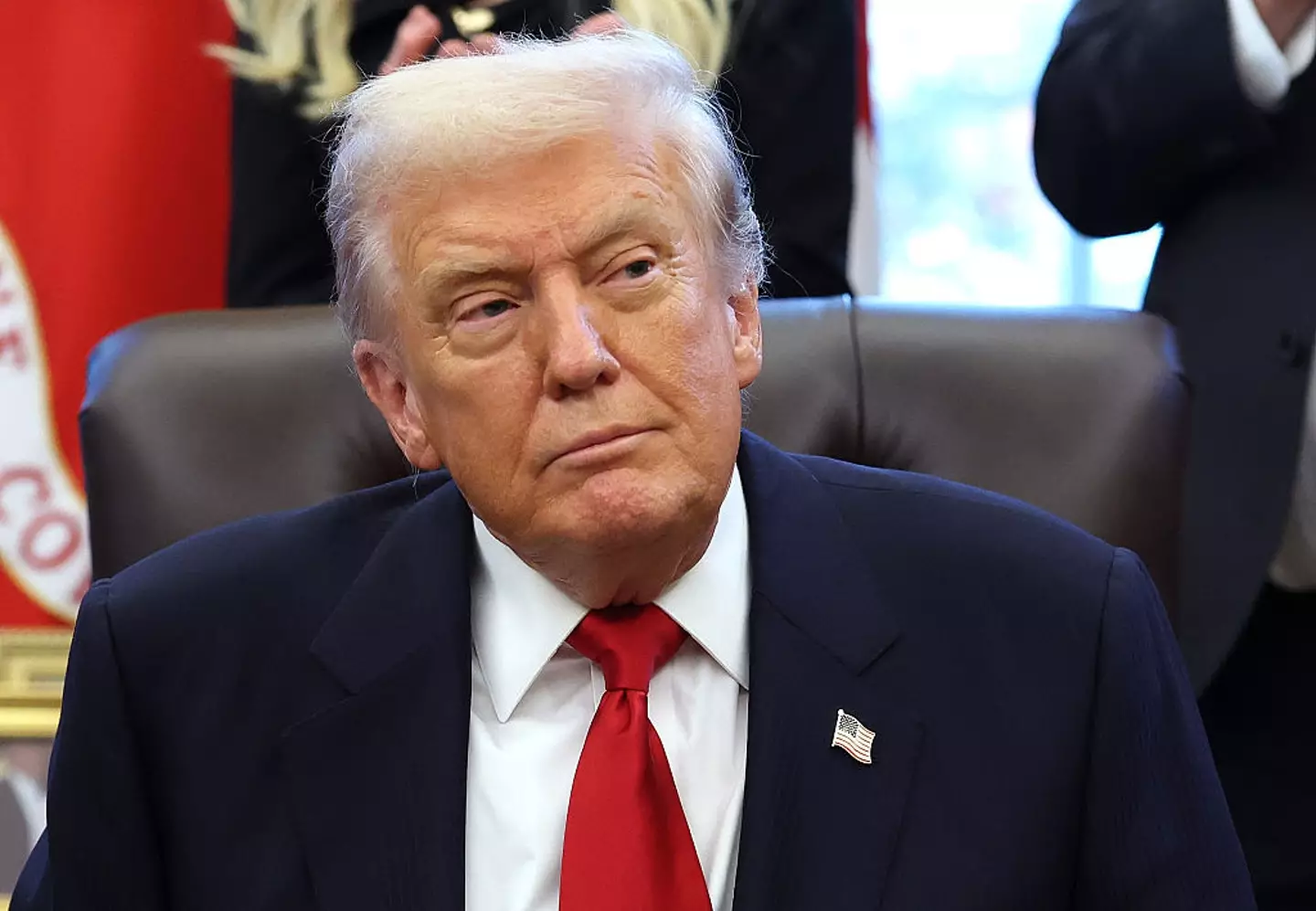
“The Department has maintained this definition of ‘professional degree’ for decades, and the current language reflects that tradition. The committee—which included representatives from higher education institutions—agreed on this definition. We are not surprised that some institutions are raising complaints about rules that never existed simply because their ability to charge unlimited tuition to taxpayers has ended.”
According to the Department, professional degrees currently include medicine, pharmacy, law, dentistry, osteopathic medicine, veterinary medicine, optometry, podiatry, chiropractic care, theology, and clinical psychology.
Conclusion
Excluding nursing from the professional degree classification could have sweeping consequences for students, the healthcare workforce, and the nation’s ability to meet patient care demands. With federal loan limits effectively halved for nursing students, fewer individuals may pursue this critical field, intensifying a nationwide shortage.
As universities, students, and professional associations weigh their next steps, this decision underscores the powerful influence federal definitions have on educational and career paths—and the urgent need for public scrutiny of policies that shape America’s workforce.