
Minnesota Preschooler Detained in ICE Raid Sparks Community Outcry
A routine afternoon in Columbia Heights, Minnesota, erupted into confusion and fear when federal immigration agents appeared at a suburban home, turning an ordinary day into a national story.
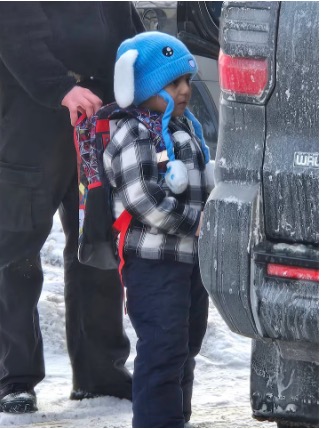
For five-year-old Liam Conejo Ramos, a trip home from preschool became a harrowing ordeal, raising questions about federal enforcement practices and the safety of children during such operations.

A Child Caught in the Middle
On January 20, 2026, ICE agents arrived at the Conejo Ramos family home shortly after Liam returned from preschool. According to Columbia Heights Public Schools Superintendent Zena Stenvik, officers removed Liam from the family car and allegedly asked him to knock on the front door to check for others—what Stenvik described as “essentially using a five-year-old as bait.” Offers from nearby adults, including another family member and the school board chair, to care for Liam were reportedly refused.
Liam and his father, Adrian Alexander Conejo Arias, were then flown to a family detention center in Dilley, Texas, a facility criticized for limited healthcare and prolonged detentions for children. Liam’s mother did not know their whereabouts for more than 24 hours.
Federal Perspective

DHS and ICE defended the operation, emphasizing that their target was the father, described as an “illegal alien,” and that officers remained with the child for safety.
A DHS spokesperson, Tricia McLaughlin, stated that parents usually have options to arrange care. However, witnesses dispute that claim, noting that adults’ offers to watch Liam were denied.
A Pattern Emerges
Liam’s case is part of a concerning pattern. Recent weeks saw at least three other students from Columbia Heights detained:
January 6: A 10-year-old fourth grader taken with her mother.
January 14: A 17-year-old high school student removed with her mother.
January 20 (morning): Another 17-year-old taken from a vehicle without parents present.
These events have created widespread anxiety in the community, with reports of ICE vehicles following school buses and parents keeping children home. School attendance has reportedly dropped as fear spreads.
Legal Status and Community Impact

Liam’s attorney, Marc Prokosch, emphasized that the family is legally in the U.S. and has a pending asylum case. Educators report heightened distress among students, with counselors providing support for trauma caused by the detentions. Teachers describe Liam as a kind and bright student, and his absence has been deeply felt in classrooms.
Political and Public Reaction

Lawmakers, civil rights groups, and local leaders have condemned the detentions, arguing that involving children contradicts U.S. values and civil rights. Minnesota legislators are calling for stronger protections for immigrant families. While immigrant advocacy organizations decry the raids as aggressive and harmful, supporters of strict enforcement defend ICE’s legal authority.
A Broader Debate
The Columbia Heights incidents highlight a national conversation about interior immigration enforcement, family welfare, and the humanitarian impact of federal policy. Critics warn that aggressive raids far from the border carry severe consequences for children and communities, fueling calls for oversight and reform.
Next Steps
Legal teams and advocacy groups are assisting affected families, working with consular officials, and seeking accountability from ICE. Local leaders are pressing for clarity on procedures and safeguards to prevent trauma in future operations.
Conclusion
The Columbia Heights detentions underscore the human consequences of federal immigration enforcement. For five-year-old Liam and his family, an ordinary day became a source of fear and uncertainty. Beyond legal questions, the case highlights the emotional and psychological toll on communities when enforcement policies collide with family life. The incident sparks an urgent conversation about how to uphold the law while protecting the well-being of the nation’s youngest and most vulnerable residents.