
Asking Babies for “Permission”: A New Take on Early Consent
It may sound strange—even shocking—but could the way we handle diaper changes subtly shape a child’s understanding of respect and boundaries? An idea from Australian expert Deanne Carson has stirred debate online:
she suggests parents “ask” babies for consent before changing their diapers. While this may seem impractical at first glance, it opens a larger conversation about early communication, bodily autonomy, and the signals children absorb long before they speak.

What Carson Really Means
Carson isn’t suggesting that infants should refuse essential care. Babies cannot give informed consent, and hygiene is non-negotiable. Instead, the practice is symbolic. Parents can narrate their actions, for example:
“I’m going to change your nappy now—does that sound okay?”
The goal is to acknowledge the child’s presence, make interactions respectful, and model communication. Observing the baby’s responses—eye contact, stillness, fussing—reinforces that their reactions matter.
Why This Matters
Infants are highly perceptive to tone of voice, facial expressions, and eye contact. Approaches like RIE (Resources for Infant Educarers) encourage treating babies as active participants in interactions. Narrating actions and responding to cues can:

Promote early communication in non-verbal children
Build trust and a sense of safety
Teach infants that interactions can be mutual rather than one-sided
Lay the groundwork for understanding personal boundaries later in life
Public Reaction
Carson’s suggestion sparked polarized reactions. Critics joked about asking pets for permission and dismissed it as impractical or overly progressive. Parenting expert John Rosemond warned that prioritizing symbolic consent over practical care could confuse families.
Supporters, however, see value in the principles behind the idea: simple, respectful communication fosters awareness, security, and positive interactions without compromising essential care.
Practical Takeaways for Parents
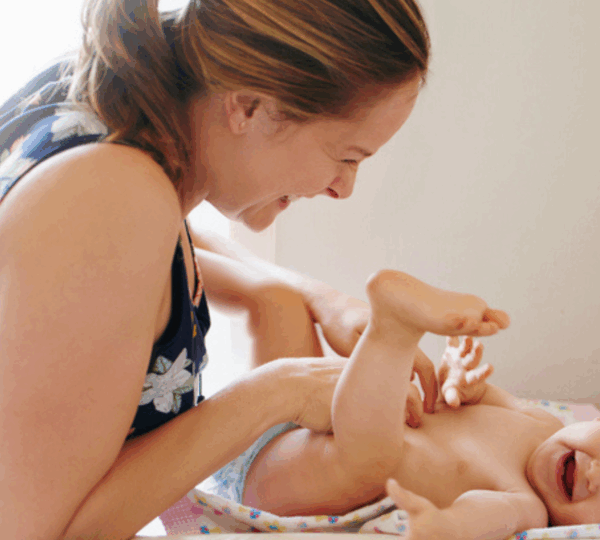
Even without fully adopting “symbolic consent,” caregivers can benefit from these strategies:
Speak calmly to the child during diaper changes or other care routines
Make eye contact and provide reassurance
Narrate actions simply, even for very young infants

Respond attentively to the child’s reactions
These small practices support bonding, social awareness, and trust—core components of healthy early development.
Broader Implications

The debate highlights broader shifts in parenting and society:
Evolving norms around consent: Parents are increasingly mindful of autonomy and boundaries from infancy.
The amplification of parenting advice: Social media magnifies even niche ideas, fueling intense discussion.
Emotional pressure on parents: Many feel compelled to make the “perfect” choice in caregiving, guided by both philosophy and public opinion.
Conclusion
Asking a baby for “permission” before a diaper change may seem extreme, but the conversation underscores deeper principles of respect, communication, and early development. Symbolic consent, paired with attentive caregiving, helps infants feel acknowledged, seen, and supported.
By integrating simple, mindful communication into daily routines, parents can foster trust, empathy, and connection—without ever compromising safety or hygiene. Even the simplest caregiving moments can become opportunities for nurturing awareness and positive interactions.