
Washington Eyes $2,000 Checks Funded by Trump-Era Tariffs
A bold financial move may be quietly taking shape in Washington: a plan to put $2,000 directly into the pockets of millions of Americans. Funded by revenue from tariffs imposed during the Trump administration, the proposal could ripple across both economic and political conversations—if Congress signs off.
The Proposal at a Glance
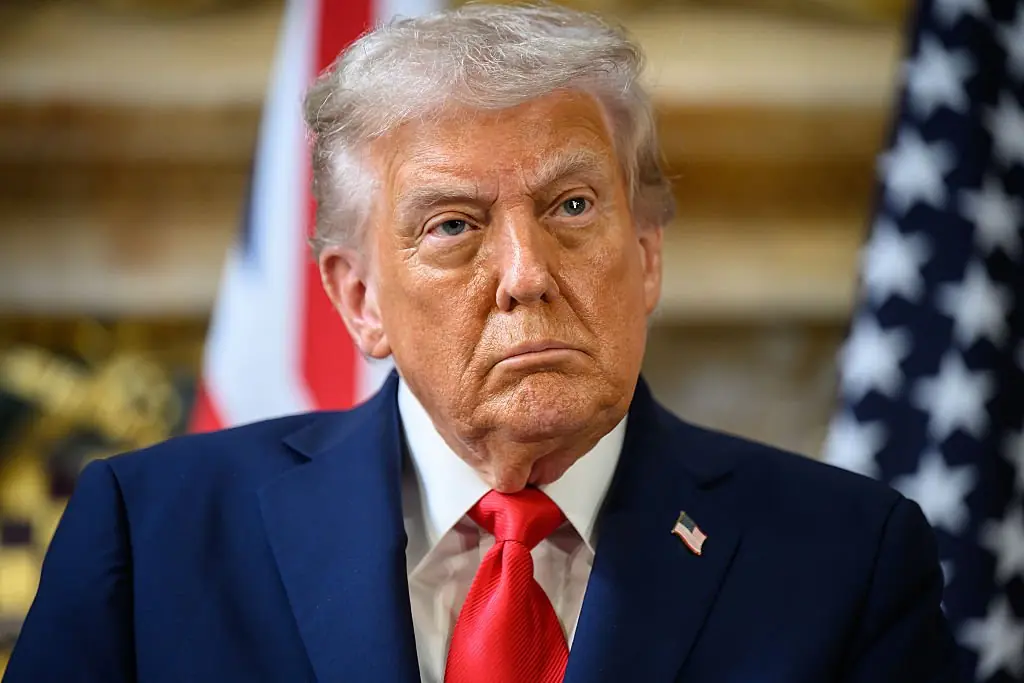
President Trump’s administration is exploring a rebate program that would deliver $2,000 checks to qualified households, tapping into the tariffs collected over recent years. Kevin Hassett, Director of the National Economic Council, told Face the Nation that the idea, first floated in July, has gained traction amid the administration’s emphasis on economic gains from its trade policies.
“These funds come from tariffs, but ultimately, Congress decides how to allocate revenue,” Hassett noted. Any disbursement would likely occur through the tax code, requiring new legislation.
Treasury Secretary Scott Bessent indicated that households earning under $100,000 would likely be prioritized, with recent economic growth and a shrinking deficit cited as creating the fiscal space for the initiative. Hassett added, “We’ve had strong growth, a government surplus running for months, and the deficit down by $600 billion relative to last year.”
Yet not everyone is on board. Republican Senator Ron Johnson of Wisconsin warned, “We can’t afford this proposal,” reflecting ongoing debate in Congress.
Tariffs as Revenue—and Leverage
The administration has long touted tariffs as a tool to boost domestic industry and government revenue.
Treasury data shows $195 billion in duties collected through the first three quarters of the year, though the average effective tariff rate reached 16.8% by mid-November—the highest since 1934—affecting consumer prices.
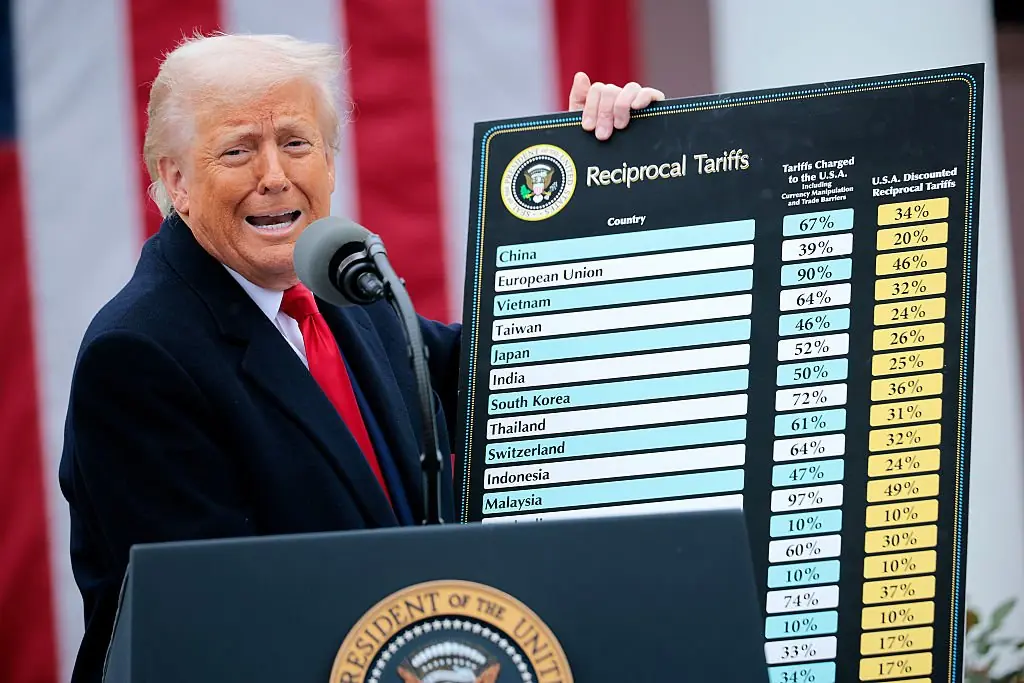
Hassett acknowledged the tariffs’ role in stimulating growth and reducing imports but hinted at potential adjustments. “There’s an appetite to exempt items not made in the U.S.,” he said, citing both practical and environmental considerations. U.S. Trade Representative Jamieson Greer is reportedly reviewing these exemptions.
Political Competition and Debate
Trump’s $2,000 rebate idea isn’t the only plan on the table. Republican Senator Josh Hawley has proposed $600 checks for most Americans and dependents, which would amount to $2,400 for a family of four. Trump fueled discussion online, promising “a dividend of at least $2,000 a person (not including high-income people!).”
Hassett emphasized that tariffs have contributed to economic growth, a smaller trade deficit, and reduced imports from China. Meanwhile, the White House continues to monitor the Supreme Court’s review of presidential authority over sweeping tariffs, with Hassett expressing confidence in a favorable outcome.
Conclusion
While congressional approval remains essential, the potential $2,000 rebate illustrates how tariff revenue could be directly funneled to Americans.
With the economy growing, deficits declining, and legal questions under review, the plan is being watched closely as a bold move that could influence both policy and public sentiment in the months ahead.