
For years, Memphis has grappled with escalating violent crime, but the scale and intensity of the federal response in late 2025 took many residents by surprise.
The arrival of National Guard troops and federal law enforcement across the city raised questions about the true scope of the operation—whether it was a temporary surge in enforcement or the beginning of a broader federal strategy with lasting implications.
On Monday, federal officials announced the results of a two-month crime suppression initiative in Memphis, Tennessee, revealing thousands of arrests and a notable recovery of missing children. The operation, known as the Memphis Safe Task Force, was established through a presidential memorandum issued by President Donald Trump in mid-September, following Memphis’ designation as the most violent major city in the United States in 2024.
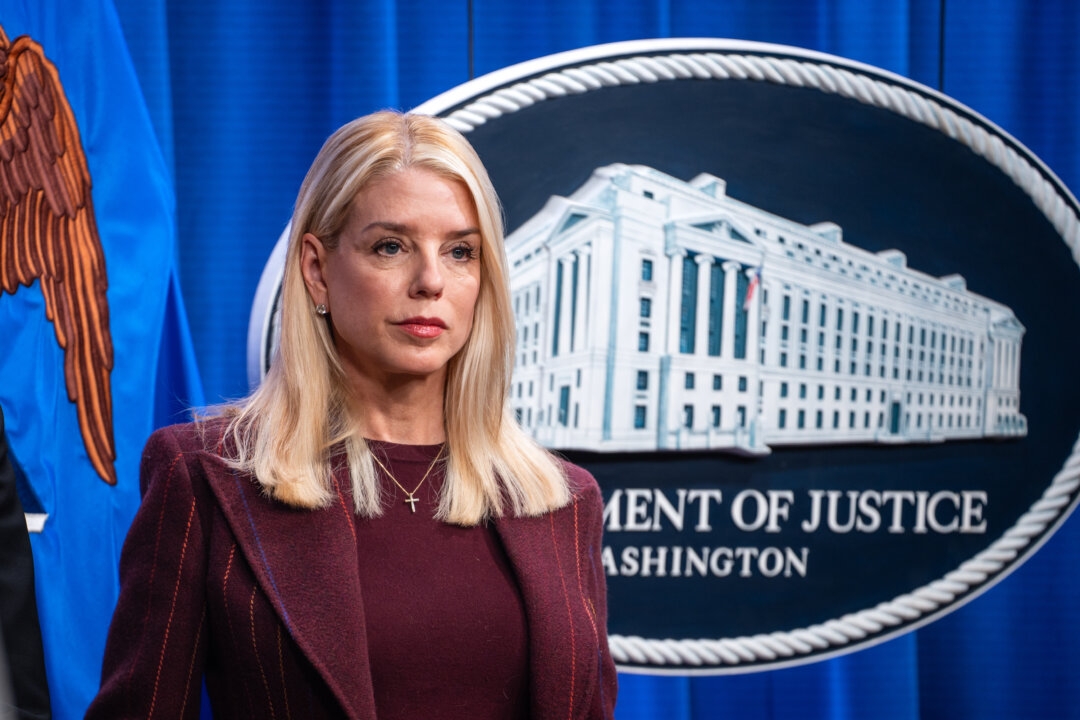
Speaking at a press briefing in Memphis on November 24, Attorney General Pam Bondi confirmed that more than 3,100 arrests had been made over a 56-day period. Authorities also recovered 121 missing children and confiscated over 500 illegal firearms, alongside state and local officials who joined the announcement.
Tennessee Governor Bill Lee credited the initiative with producing historic declines in crime. “Homicides have been reduced by nearly half, and Memphis is experiencing its lowest crime levels in more than 20 years,” he stated.
Bondi provided additional breakdowns of the results, noting that homicides dropped by approximately 48 percent, s*xual assaults fell by 49 percent, and robberies declined by 61 percent compared to the same timeframe the previous year. In total, major crime categories decreased by 45 percent during the operation.
“The citizens of Memphis have a right to safety in their own communities,” Bondi said, emphasizing the administration’s commitment to restoring public order.
The task force brought together federal agencies including the FBI, DEA, ICE, and U.S. Marshals, supported by National Guard units. President Trump compared the effort to similar federal operations in Washington, D.C., calling the crime situation in Memphis “severe” and “unacceptable.”
Parallel deployments have since been carried out in other major cities such as Los Angeles and Chicago as part of a nationwide enforcement campaign targeting violent crime and illegal immigration.
Crime data underscores why Memphis became a focal point. According to FBI statistics compiled by SafeHome.org, the city recorded a homicide rate of 40.6 per 100,000 residents in 2024, surpassing cities like Baltimore and Detroit.
Meanwhile, AH Datalytics reported sharp increases in homicides and aggravated assaults between 2018 and 2024. However, crime trends had already begun improving in early 2025, with homicide rates declining by 20 percent in the first nine months of the year—prior to the federal deployment.
The Memphis Police Department also noted that crime across several categories, including burglary, robbery, and theft, had reached a 25-year low, while homicide rates were at their lowest point in six years.
Despite these outcomes, the federal presence has not been universally welcomed. Memphis City Council Chair J. Ford Canale raised concerns about the historical significance of National Guard deployments, referencing the city’s experiences during the Civil Rights era in 1968. In a September statement, he described the measure as “temporary” and warned against relying on military support as a long-term solution.
Conclusion
The Memphis Safe Task Force has delivered measurable short-term results, sharply reducing violent crime and rescuing vulnerable individuals from dangerous circumstances.
While the operation highlights the effectiveness of coordinated federal enforcement, it has also reignited debates about civil liberties, historical trauma, and the sustainability of such interventions.
As Memphis moves forward, officials face the challenge of preserving public safety gains while rebuilding trust and developing long-term, community-driven solutions to crime.