
Eminem: From Turbulent Childhood to Global Icon
Imagine growing up feeling invisible, constantly under attack—at home, at school, everywhere. Now imagine turning that pain into words that resonate with millions. This is the story of Marshall Bruce Mathers III, better known as Eminem, who transformed a childhood marked by neglect, instability, and bullying into one of the most influential careers in music history.
Early Life: Chaos and Abandonment

Born on October 17, 1972, in St. Joseph, Missouri, Eminem’s earliest years were defined by upheaval. His father left shortly after his birth, and attempts to reconnect later went largely unanswered, leaving a lasting void. Raised mainly by his mother, Debbie Mathers, he faced neglect, instability, and exposure to substance abuse. Frequent moves between Missouri and Detroit disrupted his schooling and friendships, creating a life of constant uncertainty.
“I would change schools two, three times a year… beat up in the hallways, shoved in lockers, just being the new kid,” Eminem later recalled, reflecting on the relentless bullying he endured.
Home Life and Emotional Struggles
At home, the instability continued. Eminem has spoken candidly about his mother’s struggles with alcohol and prescription drugs, and about the emotional neglect he felt. With no consistent father figure, he sought guidance from temporary mentors, including his younger brother’s stepfather. These early hardships left deep emotional scars but also shaped the raw, authentic voice that would define his music.
School, Bullying, and Survival
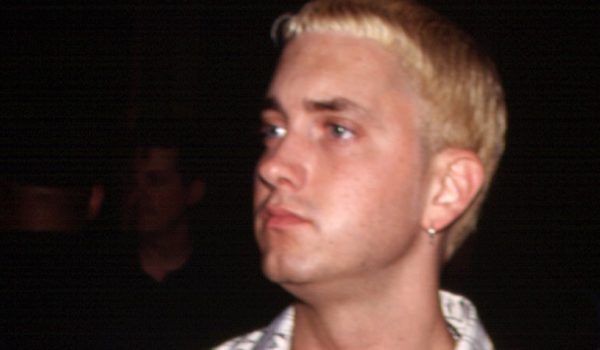
Growing up as a white child in predominantly Black Detroit neighborhoods made Eminem a frequent target of harassment.
He faced verbal abuse, physical attacks, and even serious injury, including a concussion from a snowball filled with a heavy object. These experiences forced him to develop resilience, street smarts, and a sharp wit—the very tools that would later define his lyrical style.
Music as Escape
At 14, Eminem discovered rap, which became a lifeline. Music offered an outlet to channel anger, frustration, and pain into something creative. Performing in Detroit clubs, he developed the alter ego Slim Shady, allowing him to explore darker, provocative themes drawn from his turbulent life.
Career Breakthrough: The Slim Shady LP
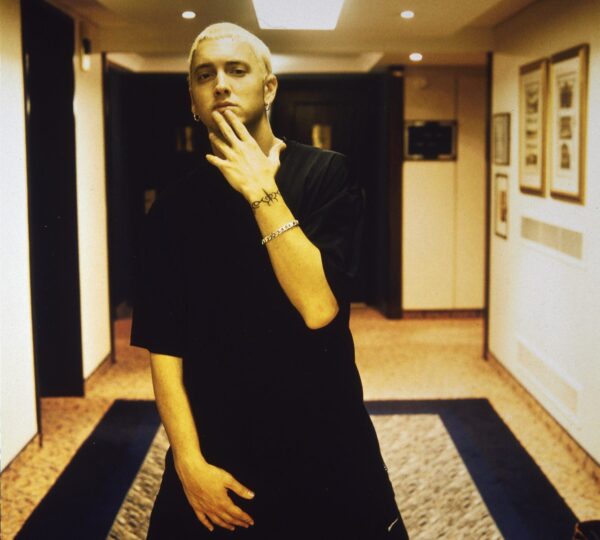
In 1999, Eminem’s collaboration with Dr. Dre on The Slim Shady LP launched him into the national spotlight. The album’s unapologetically raw, energetic, and honest voice introduced the world to a defining figure in hip-hop—an artist unafraid to confront personal pain and societal taboos.
Fatherhood and Personal Growth
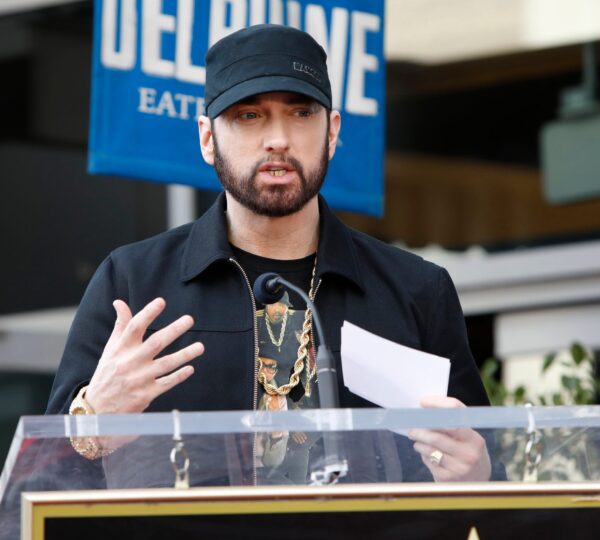
In 1995, Eminem became a father to Hailie Jade Scott, later adopting two more children: Alaina Marie Scott and Stevie Laine Scott. Fatherhood gave him purpose, grounding him amid a turbulent career and influencing much of his creative output.
8 Mile and Cultural Impact
The 2002 semi-autobiographical film 8 Mile dramatized Eminem’s struggles with poverty, family challenges, and social barriers. Its success, paired with the Academy Award-winning song “Lose Yourself,” cemented his status as both a cultural and musical icon.
Achievements and Influence
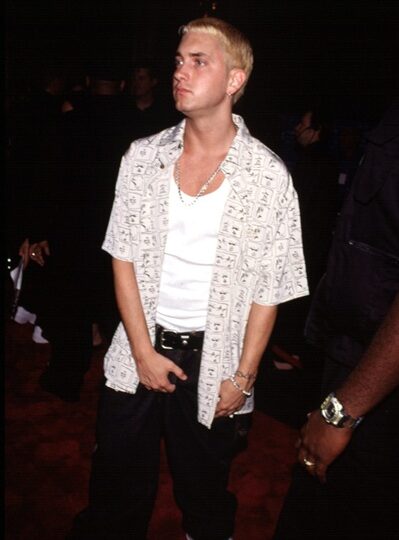
Eminem’s discography—including The Marshall Mathers LP, The Eminem Show, and Recovery—showcases his technical skill, storytelling, and raw honesty. With over 220 million records sold, 15 Grammy Awards, an Academy Award, and global recognition, he reshaped hip-hop, influencing generations of artists.
Struggles and Resilience
Even at the peak of success, Eminem faced personal battles, particularly with substance abuse. Albums like Relapse and Recovery chronicle his journey through addiction, introspection, and eventual sobriety, highlighting his resilience and growth.
Conclusion
From a neglected, bullied child to a global music legend, Eminem’s life is a story of determination, authenticity, and creative brilliance. He demonstrates that adversity, when channeled with focus and courage, can become transformative. His legacy extends beyond records and awards, living on in his unflinching honesty, resilience, and enduring influence on music and culture.