
Parenthood Beyond Expectations: Charli and Cullen Worgan’s Journey
Not every story of parenthood is straightforward. For Charli and Cullen Worgan, living in Sydney and each navigating a different form of dwarfism, starting a family has been a journey filled with medical complexity, emotional uncertainty, and intense public scrutiny. Their path raises a question many never consider: why would anyone willingly face such uncertainty?

For most couples, family planning sparks casual questions like “When are you having kids?” For Charli and Cullen, the questions were often harsher: “Why?” Their choices became a subject of public discussion long before their first daughter was born. Yet, despite judgment and misunderstanding, they approached parenthood with honesty, resilience, and openness—transforming their story into one that inspires hundreds of thousands worldwide.
Turning Criticism Into Education
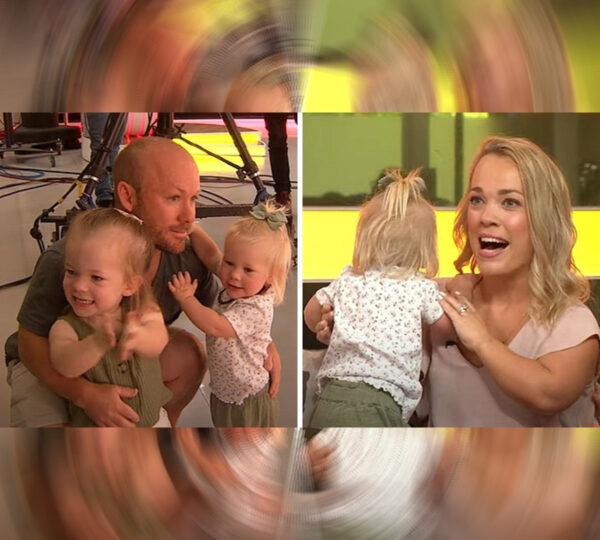
After the birth of their first daughter, Charli began sharing insights about their family life online. Her goal was not attention, but education—teaching people about dwarfism, parenthood, and the realities of raising children while living with genetic conditions. What began as a personal outlet quickly grew into a platform with over 300,000 followers, where Charli shares love, laughter, exhaustion, and worry—the everyday realities of parenting, magnified by medical complexity.
Two Forms of Dwarfism, Four Possible Outcomes
Charli has achondroplasia, while Cullen has the rarer geleophysic dysplasia. Each pregnancy carries four potential outcomes:
The child may be of average height.
The child may inherit Charli’s condition.
The child may inherit Cullen’s condition.
The child may inherit both—a fatal combination known as double dominant dwarfism.
Each pregnancy is thus both a medical and emotional journey, requiring specialist care, testing, and constant vigilance.
Facing Genetic Risk and Public Judgment
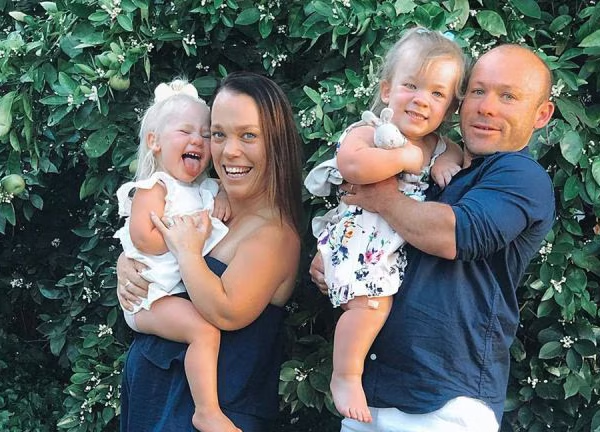
During Charli’s third pregnancy, she underwent Chorionic Villus Sampling (CVS) at 12 weeks—a procedure carrying a 2% miscarriage risk—to assess whether the pregnancy could continue safely. Sharing her vulnerability online, she highlighted the stark contrast between typical pregnancy announcements and the life-or-death uncertainty she faced.
Public scrutiny followed. Some questioned their decision to have children, while others offered unsolicited opinions about “responsible parenthood.” Charli responded with clarity: kindness matters. Every family’s story is complex, and decisions around pregnancy are deeply personal.
Growing Their Family
Their first two daughters—Tilba, now four, and Tully, now two—inherited one of their parents’ forms of dwarfism and are thriving in a home where difference is celebrated.
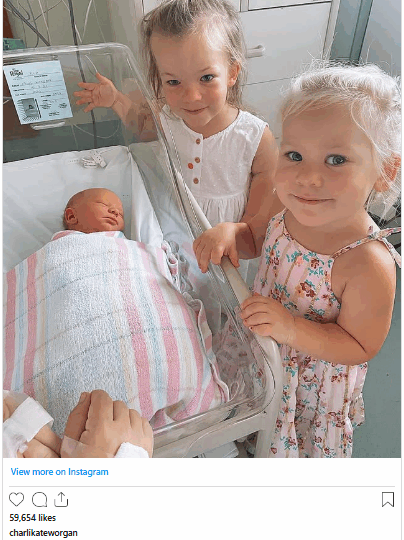
After a tense wait, Charli gave birth to a healthy baby boy, Rip, in late February, a moment that resonated with parents worldwide and underscored the uncertainty and hope inherent in every pregnancy.
Redefining Parenthood
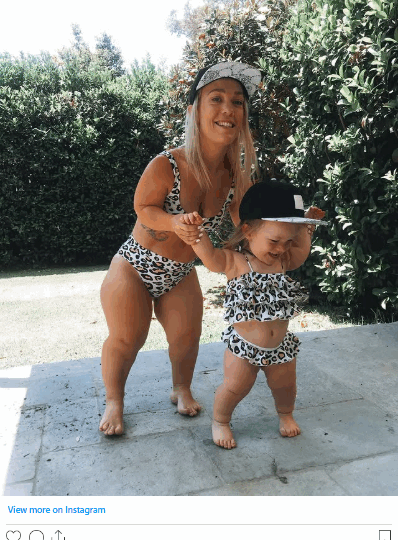
Through openness, Charli dismantles harmful assumptions about disability and parenting. Parenthood is defined not by physical differences but by love, care, and commitment. Like all parents, Charli and Cullen navigate milestones, worry, celebrate, and learn as they go. Their story stands out not for difference, but for courage and transparency.
A Message of Compassion
Charli’s journey teaches that family decisions are deeply personal, and outsiders rarely see the full story. Her transparency educates thousands about dwarfism, genetic testing, and the emotional realities of pregnancy, fostering understanding rather than judgment.
Conclusion
Today, Charli, Cullen, and their three children continue to share their lives—the ordinary moments and extraordinary milestones. Their story is defined by love, resilience, and authenticity. It reminds us that parenthood, in all its forms, is about care, commitment, and compassion—values that transcend genetics, height, or public opinion.