
Newly Reviewed Evidence Raises Questions About Alex Pretti Shooting in Minneapolis
Newly reviewed video and audio from Minneapolis is raising serious questions about the January 24 shooting of Alex Jeffrey Pretti, a 37-year-old ICU nurse. Observers and family members suggest the footage could contradict the federal narrative, particularly regarding whether Pretti, a U.S. citizen, was armed or posed an immediate threat when fatal shots were fired.
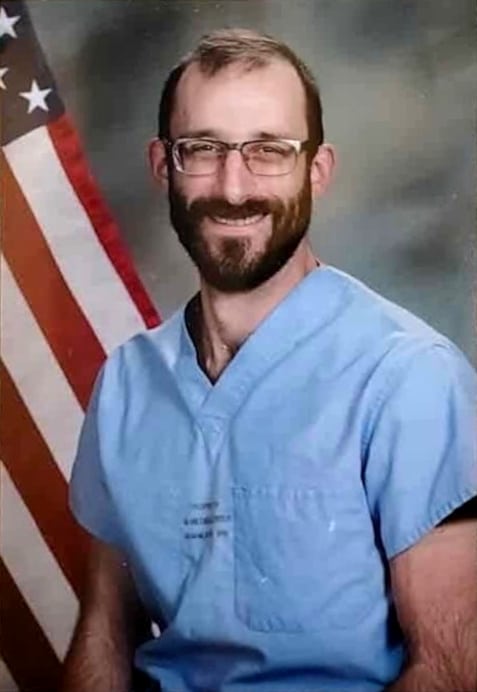
Minneapolis is once again at the center of national attention following Pretti’s death during a federal immigration enforcement operation. He became the second resident killed by federal agents in the city within three weeks, intensifying public concern about federal enforcement tactics.
The Department of Homeland Security initially reported that Pretti had produced a firearm and resisted officers, prompting an agent to fire in self-defense. DHS described the encounter as part of a broader immigration enforcement operation, assisted by Border Patrol agents.
However, subsequent video recordings raise doubts about this account. Multiple angles appear to show Pretti holding only a cellphone, documenting the agents’ movements, with no weapon visible before shots were fired. Footage shows a brief struggle in which an officer reaches toward Pretti’s waist and then withdraws what appears to be a firearm. Gunfire follows almost immediately.
Audio captured at the scene has drawn particular scrutiny. When slowed and isolated, it seems to capture an exchange in which one officer asks a question and another responds, mentioning possession of an item. The words “where’s the gun?” have sparked debate over whether Pretti’s firearm was secured before or after lethal force was used.
Pretti’s family strongly disputes the official narrative, calling the claim that he posed a threat “false” and asserting that video evidence shows he was holding a phone, not a gun. They have demanded a full and transparent investigation, including the release of all body-worn camera footage and communications related to the incident.
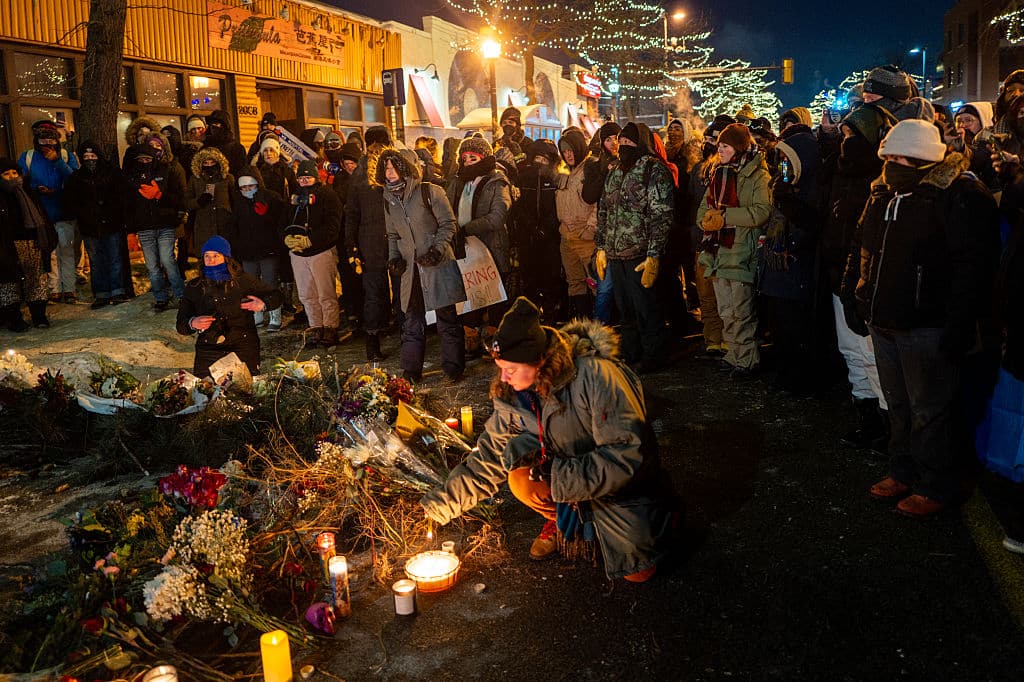
In Minneapolis, mourners gathered for a candlelight vigil, leaving flowers and messages in Pretti’s memory. The shooting occurred amid heightened federal enforcement in the city, which local leaders say has contributed to tension, fear, and instability.
This case comes just weeks after another fatal incident on January 7, when 37-year-old Renee Nicole Good was killed by federal immigration agents. Together, the two deaths have intensified national debate over the use of force, accountability, and transparency in federal operations. DHS has reaffirmed its initial account, stating that all use-of-force incidents are subject to review.
Conclusion
The death of Alex Pretti has intensified scrutiny of federal enforcement practices in Minneapolis, raising urgent questions about the timing and justification of lethal force. With video and audio evidence under review, the case underscores the need for transparency, independent investigation, and careful examination of agency protocols to ensure accountability and public trust.