
The Human Cost of Detention: The Story of Maher and Wael Tarabashi
What began as a routine check-in turned into a life-altering tragedy. When Maher Tarabashi was detained by Immigration and Customs Enforcement (ICE) in late October 2025, the consequences extended far beyond paperwork. In a household built entirely around care and dependence, his sudden absence became a devastating shockwave.
Maher, 62, was the sole caregiver for his 30-year-old son, Wael, who lived with Advanced Pompe Disease. Wael could not breathe, eat, or move independently; every aspect of his daily life relied on his father’s constant attention. For decades, their existence had been structured around this delicate equilibrium of care, trust, and presence.
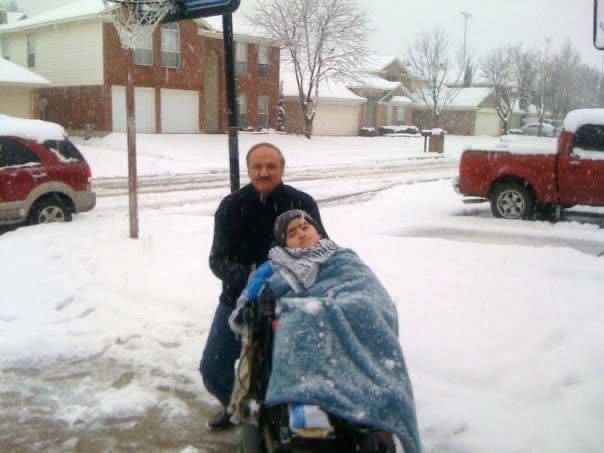
Following Maher’s detention at a Dallas ICE facility, Wael’s health deteriorated rapidly. He was repeatedly hospitalized and spent his final days in intensive care, passing away on January 23. According to the family, the sudden separation from his father—both physical and emotional—intensified his fragile condition, compounding a body already weakened by disease.
Maher remains in detention at the Bluebonnet Detention Center and has been denied permission to attend his son’s funeral. Meanwhile, the family is raising funds to cover legal expenses and basic needs as they navigate a system that offers little room for human compassion.
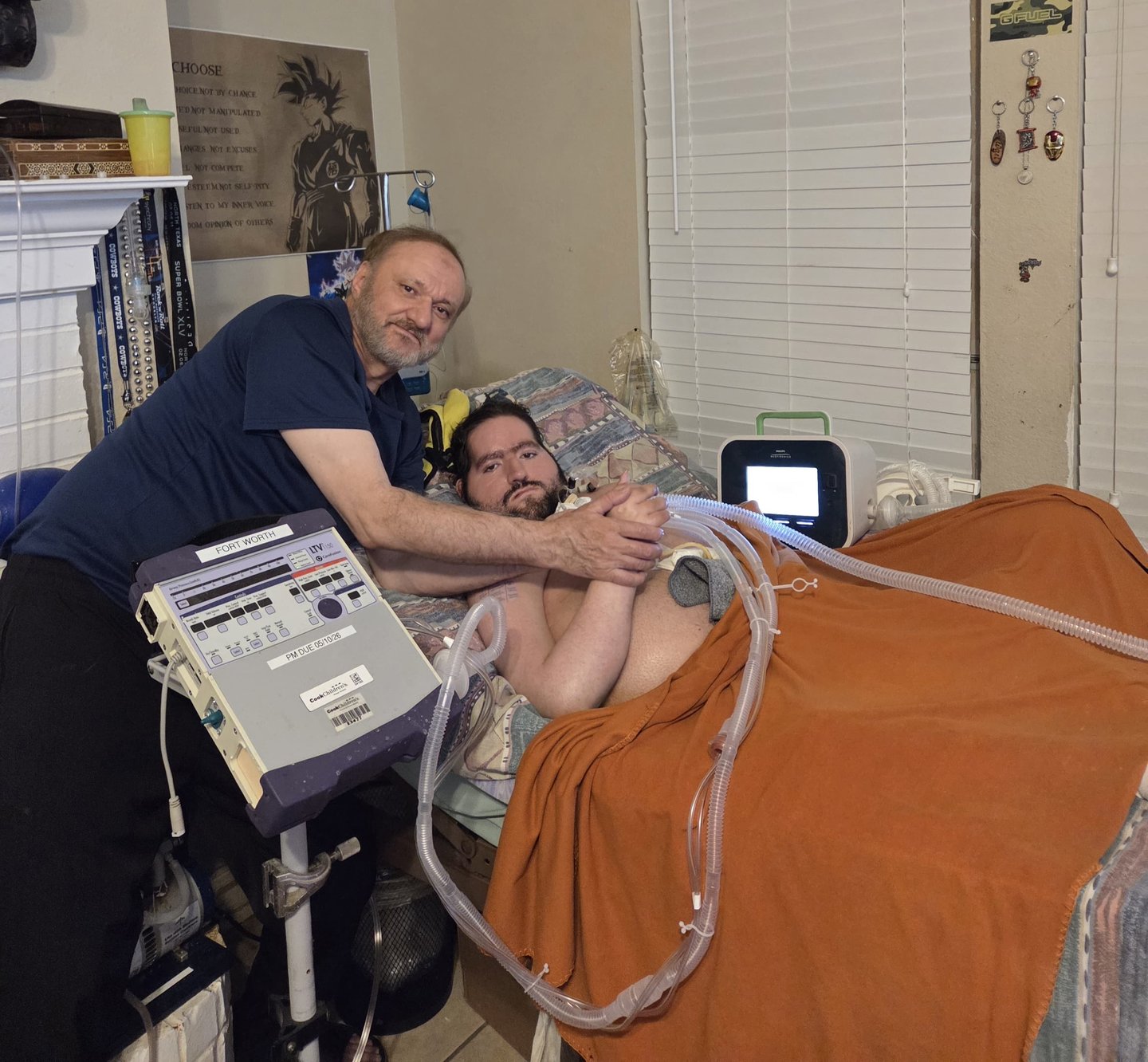
Maher first arrived in the U.S. from Jordan in 1994. After his asylum application was denied in 2006, he was issued a deportation order. Because Wael, a U.S. citizen, depended entirely on him, Maher was permitted to remain under supervised status, fulfilling his obligations without incident. “He never missed a single check-in with ICE,” his attorney confirmed.
Wael’s rapid decline highlights the interplay between physical vulnerability and emotional trauma. This tragedy illuminates a critical question: when strict enforcement collides with caregiving, who bears the cost? Legal compliance alone cannot account for human dependence, and policies that ignore compassion risk producing consequences no law can measure.
Conclusion
The story of Maher and Wael Tarabashi is a powerful reminder that justice without empathy can be devastating. Policies and procedures must be tempered by humanity, especially when the most vulnerable depend entirely on others for survival. Beyond the rules, this case calls for a legal system that recognizes the moral weight of care—and the irreversible cost of its disruption.