
U.S. Entry Proposal Sparks Privacy Concerns for Travelers
Whispers of a sweeping new U.S. entry policy had been circulating for weeks, but few anticipated its scope. Travelers and visa applicants are now questioning whether their online lives, private messages, and family connections could come under scrutiny simply to set foot in the United States. Experts warn the implications could be unprecedented.
The Trump administration has unveiled a proposal that would significantly expand the personal data collected from foreign visitors. Under the plan, most travelers using the visa-waiver program would be required to submit five years of social media history and a decade of email addresses.
Currently, sharing social media information on the ESTA form is voluntary. The new rules would make it mandatory, requiring applicants to provide usernames for all platforms they use and granting U.S. authorities access to posts and interactions.
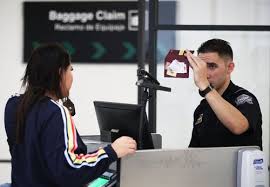
The proposal goes further, requesting phone numbers, IP addresses, and detailed information about family members. It also hints at future requirements for biometric data, such as facial scans and DNA, raising the stakes for personal privacy.
Officials argue the measures are essential for national security, describing the data as “high value” for assessing risk. The public has 60 days to provide feedback before a final rule could be adopted, potentially as early as 2026.
Rights organizations caution that such measures could lead to misinterpretation of online activity and suppress free expression. Concerns also exist over how sensitive information would be stored and used, and the potential for privacy violations.
The policy could affect millions of visitors from allied nations each year, coinciding with major events such as the 2026 World Cup. Critics fear it may deter tourism and complicate travel, while supporters argue it is a reasonable security precaution.
The proposal reflects broader priorities in U.S. immigration enforcement and raises questions about international reciprocity. Legal challenges are expected if the rule is finalized.
Conclusion
If enacted, the proposal would mark a major shift in how foreign visitors are screened, blending traditional security measures with unprecedented scrutiny of online and personal life. The debate highlights the ongoing tension between national security and individual privacy, as policymakers, travelers, and rights groups weigh the potential benefits against significant personal and diplomatic implications.