
How Aluminum Foil Can Help Your Frozen Food Last Longer
Aluminum foil is a kitchen staple, but when it comes to freezing food, opinions vary. Does it truly keep meals fresher, or is it just another culinary myth? With freezers running constantly and leftovers piling up, knowing when foil is helpful—or when it’s wasted effort—can save both time and food.
The Benefits of Foil in the Freezer
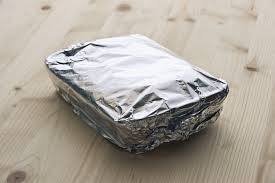
One of the main advantages of aluminum foil is its ability to limit air exposure. Wrapped snugly around food, foil shields it from the air that causes freezer burn. This makes it ideal for meats, bread, and leftovers that may sit frozen for weeks. By slowing moisture loss and protecting surfaces, foil helps preserve both texture and flavor once food is thawed. For best results, many people use foil as an extra layer around items already stored in freezer-safe bags or containers.
Foil can also improve freezer organization. Flat, tightly wrapped items are easier to stack and label, reducing clutter and icy chaos. A neat freezer allows cold air to circulate more evenly, minimizing frost buildup and helping your appliance maintain a consistent temperature. While foil doesn’t provide insulation on its own, it works well in combination with proper storage habits to extend the life of frozen foods.
Use It Correctly
Aluminum foil isn’t a cure-all. It should be used for wrapping food—not lining freezer walls or covering vents, which can interfere with airflow and efficiency. When applied correctly, foil is an inexpensive, flexible tool that complements containers, labeling, and careful organization. It’s a simple hack that reduces waste and keeps your freezer running smoothly.
Conclusion
Aluminum foil is an unexpectedly effective ally in food preservation.
By protecting against air, keeping items organized, and pairing with proper storage containers, it helps meals retain flavor and texture while reducing waste. Sometimes, the simplest kitchen tools—a sheet of foil—can make the biggest difference in efficiency and food longevity.