
Fire in Pamplona Alta: Loss, Questions, and a Community’s Strength
What seemed like an ordinary Saturday afternoon in Pamplona Alta quickly spiraled into chaos.
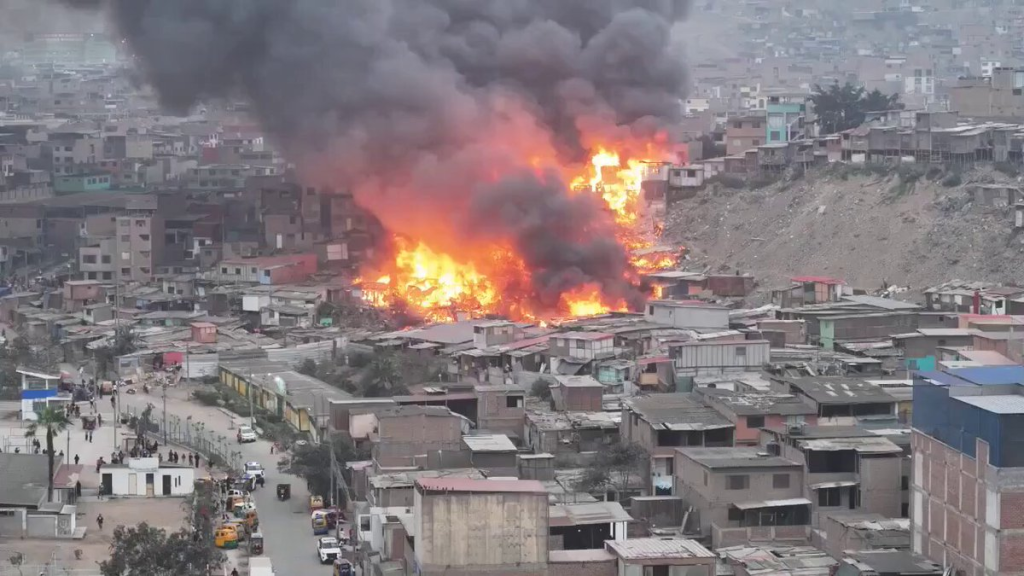
As flames tore through the hillside settlement, residents fought to save their families and homes—but in the aftermath, difficult questions lingered. While the blaze was rapid and devastating, whispers of unusual activity and possible unauthorized
pyrotechnics have sparked speculation about whether this tragedy was purely accidental or fueled by negligence. The circumstances remain under scrutiny, adding an unsettling complexity to an already painful event.
A Community Upended in Minutes
Pamplona Alta, a settlement in San Juan de Miraflores, Lima, is home to hardworking families who built their lives room by room, sometimes board by board. The area is a tapestry of effort and determination—but also one where vulnerability to fire is an ever-present danger.
On this particular Saturday, that danger erupted without warning. A fire broke out in a tightly packed section of the hillside and spread with alarming speed. Within minutes, flames leapt from one makeshift home to another, fueled by wood, plywood, and tin roofing—the materials many families rely on to build affordable shelter.
By the time the fire was contained, nearly 300 homes lay in ruins. Families stood among the smoking rubble of places where they had celebrated birthdays, shared meals, and built futures. One mother recalled the terror:
“I heard shouting, and black smoke was rising. My kids were inside. Getting them out was all I could think about.”
Her story echoed across the neighborhood—parents, teenagers, and elderly residents rushing to shepherd one another through smoke-filled passageways.
Firefighters Battling Terrain and Time
Emergency calls flooded local authorities. Fire brigades responded fast, but the terrain presented immense challenges. Narrow alleys, steep staircases, and cramped pathways forced firefighters to carry hoses and heavy equipment by hand. Flames jumped rapidly between structures, reducing walls to ashes and consuming belongings—furniture, school supplies, clothing, years of memories.
Initial assessments severely underestimated the damage. Soon it became clear that several hundred families had been displaced, many left with nothing but the clothes they wore as they fled.
Did Informal Pyrotechnics Play a Role?
As the smoke settled, residents began to speak of small explosions they had heard during the fire. Videos from bystanders captured sharp popping sounds. Authorities investigating the scene identified an unlicensed pyrotechnics workshop operating within the community—an operation producing small fireworks primarily for holidays.
While investigators have not yet confirmed the cause, the presence of combustible materials in a dense residential area has raised serious concerns. Many residents now fear the fire may not have been a random accident, but the preventable result of dangerous, unauthorized activity.
Immediate Response and Acts of Solidarity
Within hours, emergency teams, volunteers, and municipal brigades established aid stations. Families arrived carrying only what they had managed to grab before fleeing. Medical staff treated smoke inhalation, community kitchens provided meals, and shelters offered temporary refuge.
Amid the devastation, acts of kindness blossomed. Neighbors took in displaced families. Volunteers delivered water, cleared debris, and comforted children. One father shared:
“We lost everything, but we’re alive. And we’ll rebuild together.”
Thanks to swift community action, no severe injuries or fatalities were reported—an extraordinary outcome given the scale of destruction.
Recovery, Planning, and Rebuilding
Authorities quickly began assessing structural damage and mapping out support strategies.
Long-term recovery efforts include:
Rebuilding homes using safer, more fire-resistant materials
Establishing designated temporary shelter zones
Restoring electricity, water, and sanitation
Providing psychological support for adults and children
Organizing fire-safety education
Creating a centralized assistance registry
Improving emergency access routes
Community leaders emphasized the need for better urban planning and safer construction practices to prevent tragedies like this from recurring.
A Community Rising From Ashes
Even as the smell of smoke lingered, residents got to work—clearing debris, salvaging belongings, supporting each other. Volunteers and NGOs delivered supplies, from tools and blankets to school materials for children.
The path ahead is long, but Pamplona Alta’s spirit is unmistakable. Rebuilding will take time, but it has already begun—with resilience, cooperation, and hope.
Conclusion
The massive fire in Pamplona Alta is a sobering reminder of the risks faced by densely populated, informally built settlements. But in the midst of destruction, the community demonstrated extraordinary strength. Their rapid mobilization—alongside firefighters, volunteers, and relief teams—prevented an even greater tragedy.
As reconstruction moves forward, Pamplona Alta’s story becomes one not only of loss, but of unity, courage, and the determination to build a safer future. The flames have passed—but the community’s resolve burns brighter than ever.