
Reading Between the Headlines: Tensions Without Catastrophe
Every day, news outlets warn that the world teeters on the edge—missiles tested, borders probed, alliances strained. Panic thrives in headlines, but reality is rarely so stark. While flashes of military activity can alarm, most analysts caution that dramatic interpretation often outpaces the facts. Still, these incidents serve as reminders that the margin between miscalculation and conflict can be perilously thin.

Across multiple regions, geopolitical flashpoints persist, each shaped by history, technology, and political calculation. Yet experts largely agree that global war is neither inevitable nor imminent. The risks are real, but so are the stabilizing forces: treaties, diplomacy, economic interdependence, and shared interest in preventing catastrophe.
Europe and NATO’s Eastern Flank
The Russia-Ukraine conflict remains Europe’s central security concern. Territorial skirmishes, drone strikes, and airspace incursions near NATO borders have tested defenses, but a full-scale confrontation with NATO forces is still widely regarded as unlikely. Russia’s hypersonic missiles and nuclear-capable systems add a sobering edge to strategic planning, but policymakers focus on communication and deterrence rather than assuming inevitability.
Middle East: Fragile Calm
Temporary ceasefires mask deeper tensions across Israel, Palestinian territories, and regional powers. Iran’s nuclear ambitions and shifting alliances introduce complexity, while the U.S. continues to pursue diplomacy to stabilize the region. Escalation is possible, yet incentives remain strong for restraint—illustrating that even volatile regions operate within subtle checks and balances.
China, Taiwan, and the Indo-Pacific

The China-Taiwan-U.S. dynamic draws the world’s attention. Chinese military exercises signal ambition and caution, not necessarily intent for war. Taiwan’s defense, U.S. support, and regional alliances create a delicate balance where misunderstandings could escalate—but measured engagement, surveillance, and diplomacy reduce the likelihood of immediate conflict.
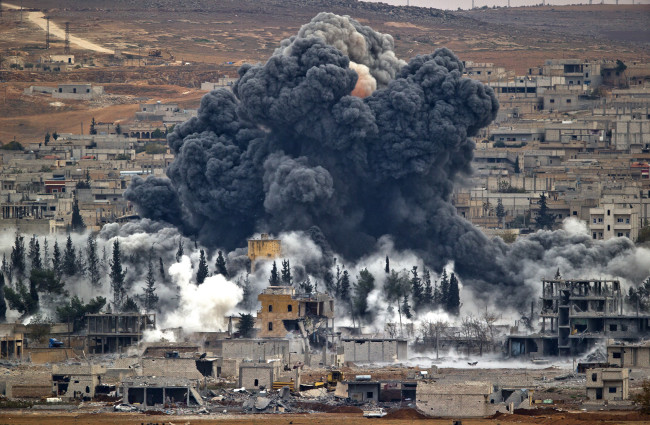
North Korea: Tensions and Containment

North Korea’s missile development and stalled negotiations continue to unsettle the Korean Peninsula. Yet regional actors—China, Russia, and South Korea—exert influence that contains escalation. While provocative acts make headlines, analysts note that war is not the predetermined outcome of every missile test or border incident.
Navigating Complexity
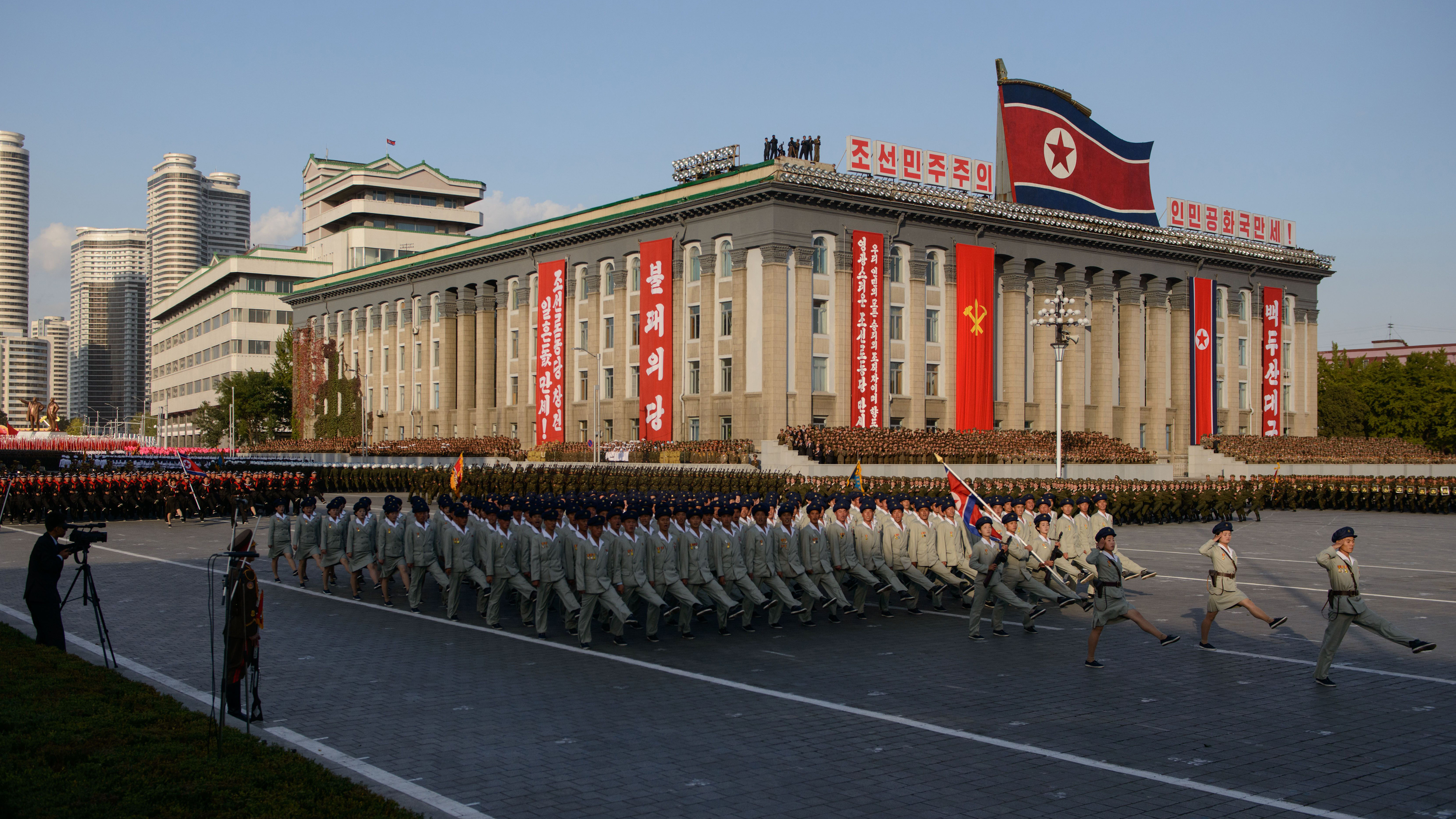
The common thread across these regions is nuance. Military maneuvers may be calculated signals, missteps can be contained, and international institutions provide frameworks for de-escalation. Economic interdependence, treaty obligations, and the risk of global fallout all act as counterweights to impulsive action.
Conclusion
Tensions are real, but catastrophe is not guaranteed. Headlines thrive on fear, yet the global system remains resilient: diplomacy, dialogue, and shared stakes provide buffers against escalation. Understanding international conflict requires patience, perspective, and recognition that caution often prevails over chaos.
The world is not poised on a knife’s edge—it’s navigating a complex, interconnected landscape where prudence and cooperation remain humanity’s most reliable safeguards.