
Veterans Discharged Over COVID-19 Vaccine Mandate Begin Regaining GI Bill Benefits
For months, rumors circulated among veteran advocacy groups and military circles that a major policy reversal might be underway—one that could reopen doors for service members dismissed during the height of the pandemic. While officials avoided public confirmation, quiet signals from federal agencies suggested that a significant change was coming.
On Nov. 17, the Department of Veterans Affairs (VA) announced that thousands of veterans expelled under the Biden administration for refusing the COVID-19 vaccine may regain eligibility for GI Bill education benefits. The GI Bill helps veterans and their dependents pursue higher education or vocational training.
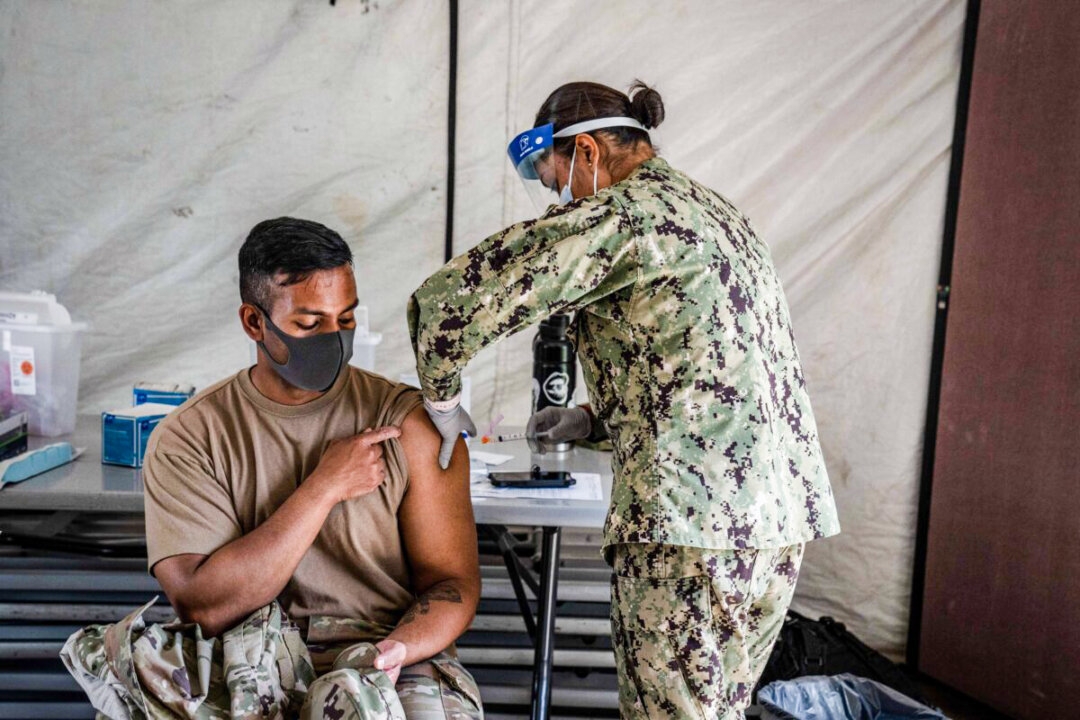
During the 2021 vaccine mandate, more than 16,000 service members applied for religious exemptions, many of which were denied. Over 8,000 troops were ultimately dismissed for failing to comply.
Many of these individuals received “less than fully honorable” discharges, which had previously restricted or eliminated their access to GI Bill benefits.
Following a presidential directive issued by Donald Trump in January titled “Reinstating Service Members Discharged Under the Military’s COVID-19 Vaccination Mandate,” federal agencies began reviewing the dismissals. The directive emphasized that the mandate imposed an undue burden on service members and that those dismissed deserved reconsideration.
The VA confirmed that 899 discharged service members have now regained eligibility for GI Bill benefits, with thousands more potentially able to recover theirs due to Trump’s executive order. War Secretary Pete Hegseth described the earlier discharges as “one of the most egregious attacks on our military,” stressing the importance of restoring trust and preventing similar policies in the future.
Mandate Background and Slow Exemption Reviews
The vaccine mandate, announced by then–Defense Secretary Lloyd Austin on Aug. 24, 2021, required service members to be fully vaccinated two weeks after completing the required doses. However, a Pentagon inspector general report in March 2024 found that military branches routinely failed to process religious exemption requests in a timely manner. Army exemptions took an average of 192 days—more than double the 90-day guideline—while the Air Force averaged 168 days, despite a 30-day requirement.
After Trump’s January directive, branches accelerated reviews, and the War Department and Coast Guard began preparing reinstatement invitations for dismissed personnel. In October, a federal appeals court revived a lawsuit challenging the COVID-19 mandate, with plaintiffs seeking compensation for hardships endured. Advocacy group Feds for Freedom hailed the ruling as a significant step toward accountability, noting that “injuries suffered by federal workers did not vanish simply because the mandate was dropped.”
Conclusion
The VA’s announcement marks a major shift in addressing the fallout from the military’s COVID-19 vaccine mandate. With nearly 900 veterans already regaining GI Bill eligibility—and thousands more potentially next—the government is beginning to confront the long-term consequences of the controversial policy. As reinstatements, reviews, and legal challenges continue, the debate over how service members were treated during the pandemic is far from over.