
Greenland on the Brink: Trump’s Warning Escalates Arctic Tensions
Tensions in the Arctic are flaring, and this time the message from Washington is impossible to ignore. Donald Trump’s latest warning over Greenland has jolted diplomats, sparked protests, and reignited questions about sovereignty, alliances, and the limits of presidential power.
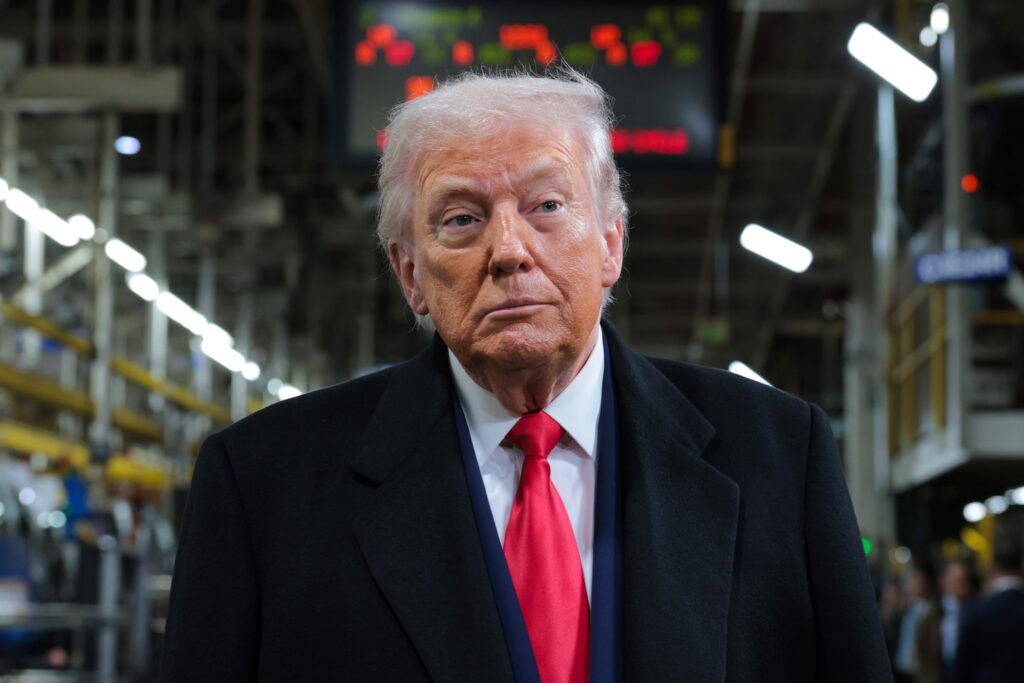
The dispute over Greenland has sharpened. Despite a 2025 poll showing that 85% of Greenlanders oppose joining the United States, Trump appears determined to press the issue. On Monday, he issued a terse post on Truth Social, accusing Denmark of ignoring what he called a rising “Russian threat” on the island:
“Unfortunately, Denmark has been unable to do anything about it. Now it is time, and it will be done!!!”
Trump suggested NATO had pressured Denmark for decades to strengthen Greenland’s security and hinted that the United States might act unilaterally if necessary.
The warning came just a day after he announced a sweeping 10% tariff on goods from Denmark, Norway, Sweden, France, Germany, the U.K., the Netherlands, and Finland, stating the tariffs would remain until “Greenland becomes American.”
Europe responded quickly. Emergency EU talks were held over the weekend, and Portuguese Prime Minister António Costa warned that the tariffs would “undermine transatlantic relations” and violate existing trade agreements. A special EU summit has been scheduled to address the growing crisis.
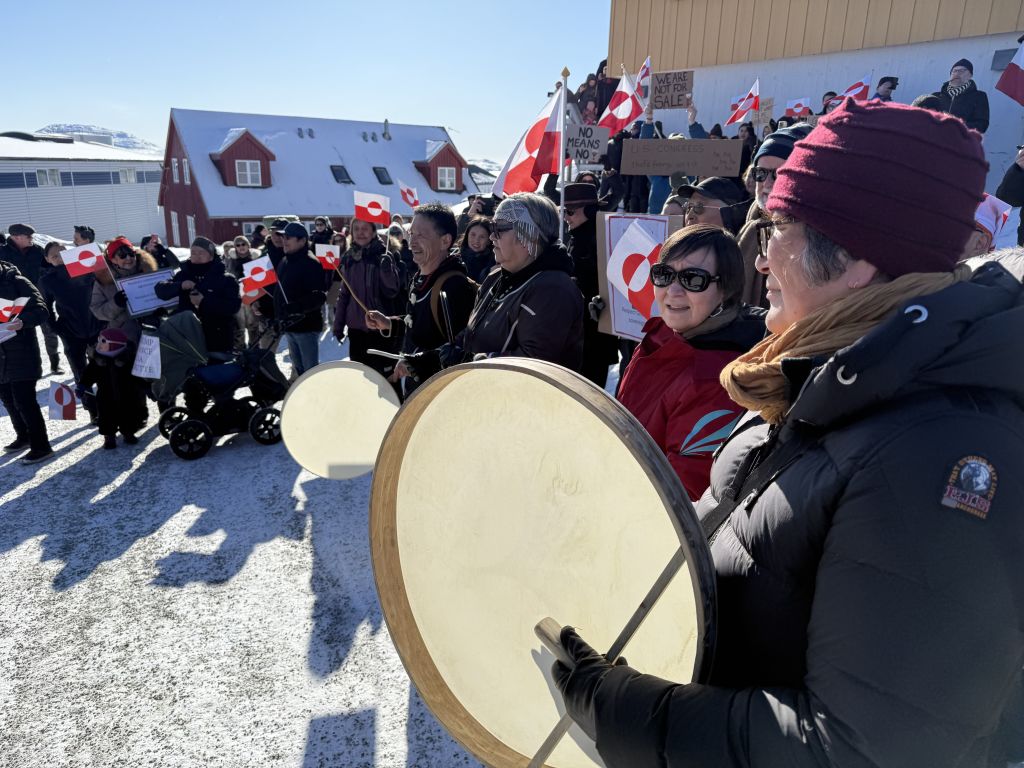
In Greenland, protests erupted. Around 1,000 residents marched in Nuuk, demanding sovereignty and opposing foreign pressure.
Greenland remains an autonomous territory within the Kingdom of Denmark, and local officials have reiterated that decisions about its future rest with Greenlanders alone.
Denmark and its allies sought to calm tensions. Danish Foreign Minister Lars Løkke Rasmussen emphasized that troops deployed to Greenland under Operation Arctic Endurance posed “no threat to anyone,” while stressing that Denmark would protect its autonomy. Norwegian Foreign Minister Espen Barth Eide was more blunt: “Those types of threats are unacceptable between close allies,” cautioning against economic coercion.
Criticism also came from within the U.S. Republican Congressman Michael McCaul, former chair of the House Foreign Affairs Committee, warned that any military action in Greenland could pit the U.S. against NATO allies. On This Week, he said:
“If the president wants to purchase Greenland, that’s one thing. But a military invasion would turn Article 5 of NATO on its head, effectively putting us at war with our allies. It could destroy NATO as we know it.”
As the situation unfolds, Greenland has become a flashpoint for sovereignty, alliance stability, and Arctic security. How the standoff resolves—through negotiation or escalation—could shape transatlantic cooperation and Arctic geopolitics for years to come.
Conclusion
Greenland is no longer just a remote Arctic territory. It has become a symbol of global tension, a test of alliances, and a reminder that in international politics, even the smallest islands can carry enormous consequences. The world watches, anxious and aware that the ripple effects may extend far beyond the Arctic Circle.