
Are Your Medications Secretly Harming Your Kidneys?
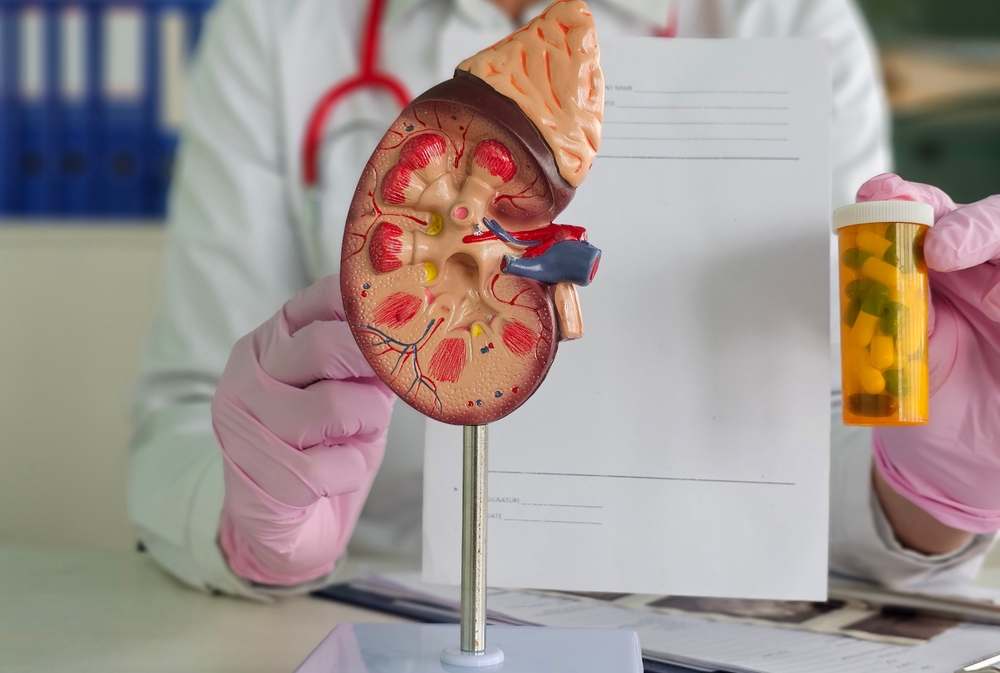
Your kidneys work silently, filtering toxins, balancing fluids, and keeping blood pressure steady. But sometimes, even medications meant to help can quietly stress these vital organs. Prescription or over-the-counter drugs, taken long-term or without full awareness, may slowly damage kidney function. Understanding these hidden risks is the first step toward protecting your kidney health.
Why Your Kidneys Are Vulnerable
Kidneys operate quietly, which makes problems easy to miss. Damage often develops gradually, with few early symptoms. Many commonly used medications—pain relievers, acid reducers, blood pressure drugs, antibiotics, and antivirals—can strain the kidneys if misused or overused.
Routine checkups, lab tests, and awareness of side effects are crucial for prevention.
Medications That Can Stress Your Kidneys
1. Proton Pump Inhibitors (PPIs)
Examples: Omeprazole, Esomeprazole
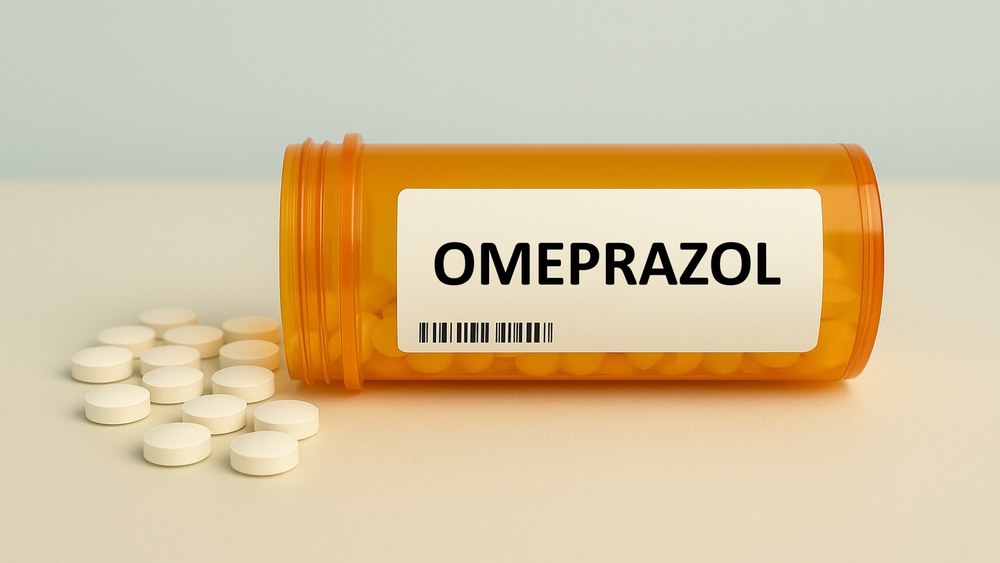
Used for acid reflux and ulcers, long-term PPI use may increase the risk of acute or chronic kidney disease.
Safer Approach:

Use short-term whenever possible.
Consider H2 blockers like famotidine for longer-term management.
Lifestyle changes: smaller meals, avoid triggers, elevate the head of the bed, reduce alcohol.
Natural supplements (e.g., deglycyrrhizinated licorice) can help but should complement medical advice.
2. NSAIDs (Pain Relievers)
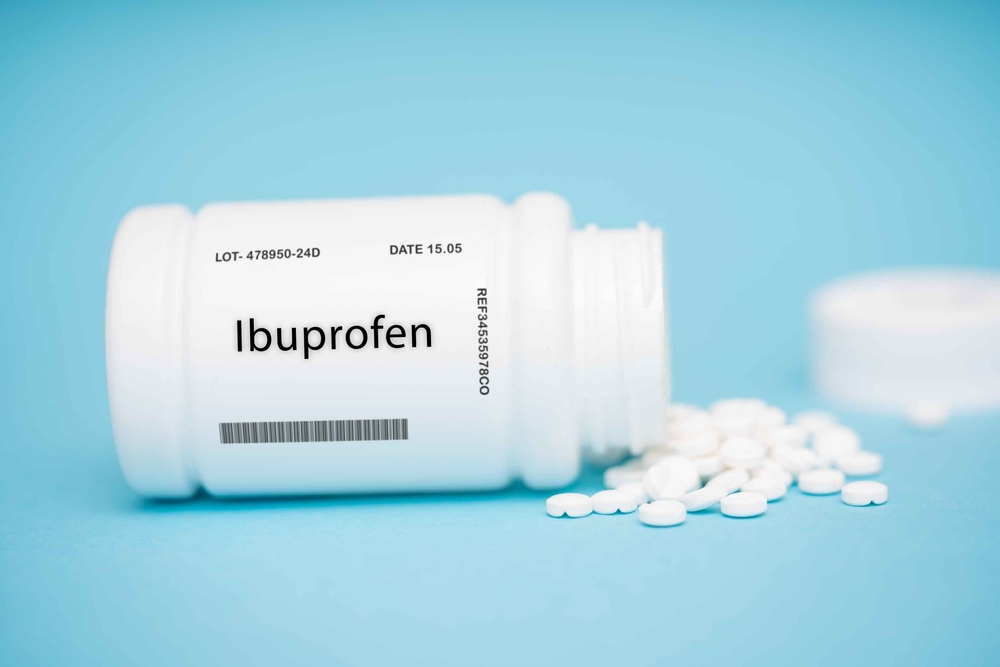
Examples: Ibuprofen, Naproxen
These reduce inflammation but can lower kidney blood flow, increasing risk of injury, especially with dehydration or other medications.
Safer Approach:
Take the lowest effective dose for the shortest time.

Consider acetaminophen for some conditions (monitor liver health).
Non-drug alternatives: physical therapy, stretching, heat/cold therapy, topical creams, low-impact exercise.
3. Certain Antibiotics
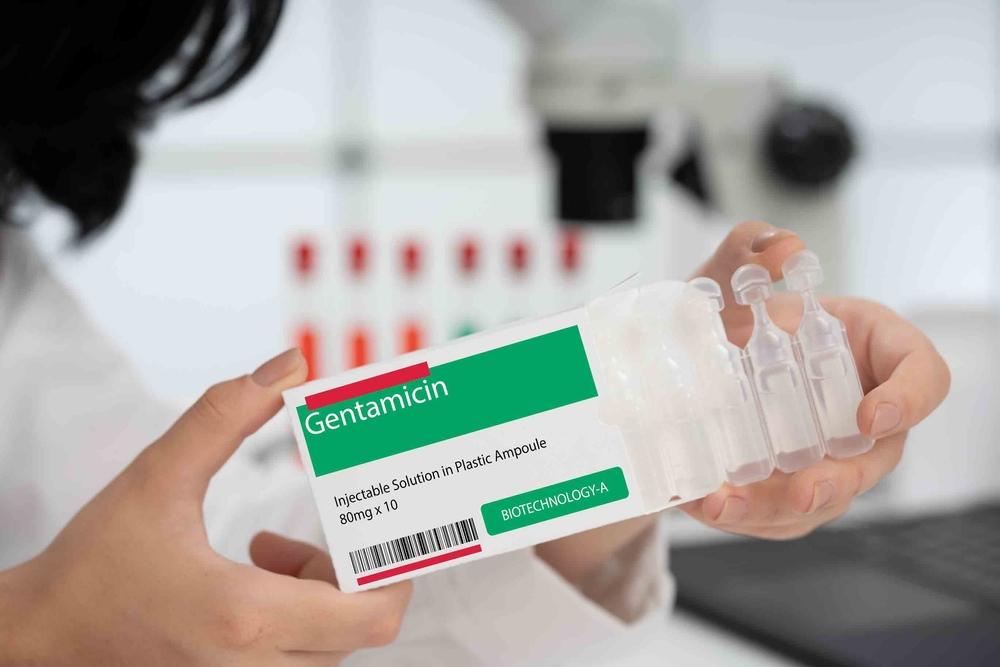
Examples: Aminoglycosides such as Gentamicin
Powerful antibiotics may damage kidney filtration, especially with high doses, prolonged use, or dehydration.
Safer Approach:
Use narrow-spectrum antibiotics when possible.
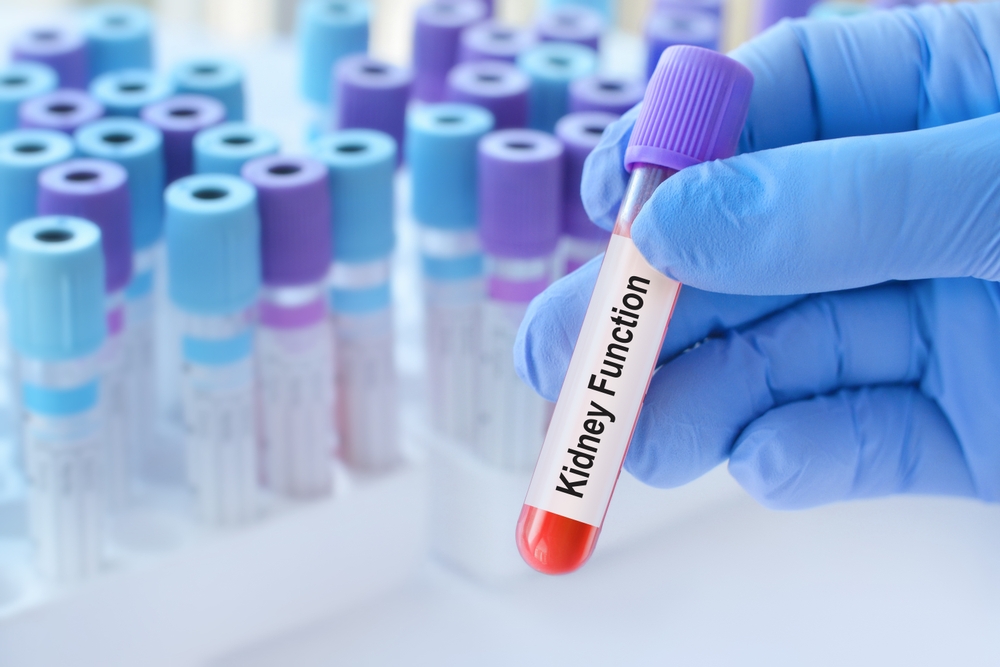
Monitor kidney function with blood tests.
Maintain hydration and report any urinary changes promptly.
Prevent infections with vaccines and hygiene.
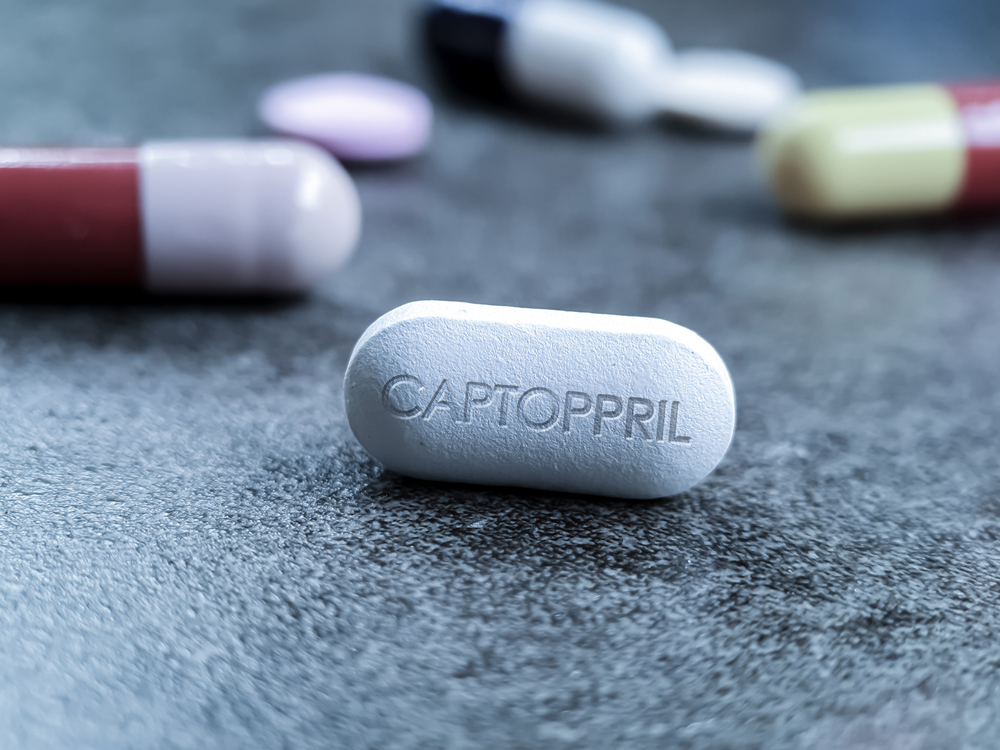
4. ACE Inhibitors and ARBs
Examples: Lisinopril, Losartan
These blood pressure medications can protect kidneys in some cases but may harm them if misused or combined with certain drugs.
Safer Approach:
Regularly monitor kidney function and electrolytes.

Stay hydrated and avoid NSAIDs without medical advice.
Adjust doses as needed.
Combine with lifestyle measures for blood pressure control.
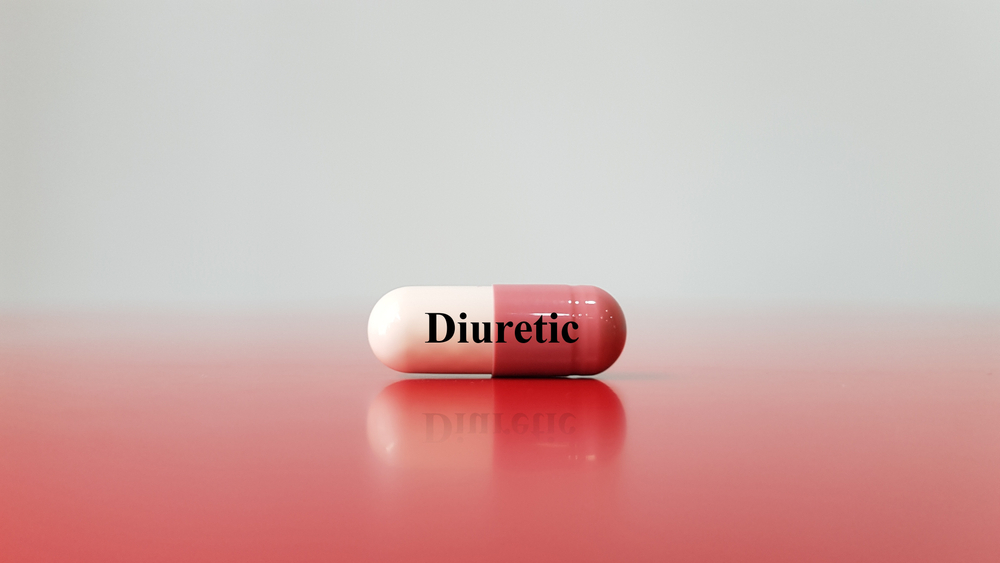
5. Diuretics (“Water Pills”)
Examples: Furosemide, Hydrochlorothiazide
Overuse may cause dehydration, electrolyte imbalance, and kidney strain.
Safer Approach:
Monitor fluid and electrolyte balance.

Maintain adequate hydration and proper salt intake.
Combine with lifestyle changes such as diet and weight management.
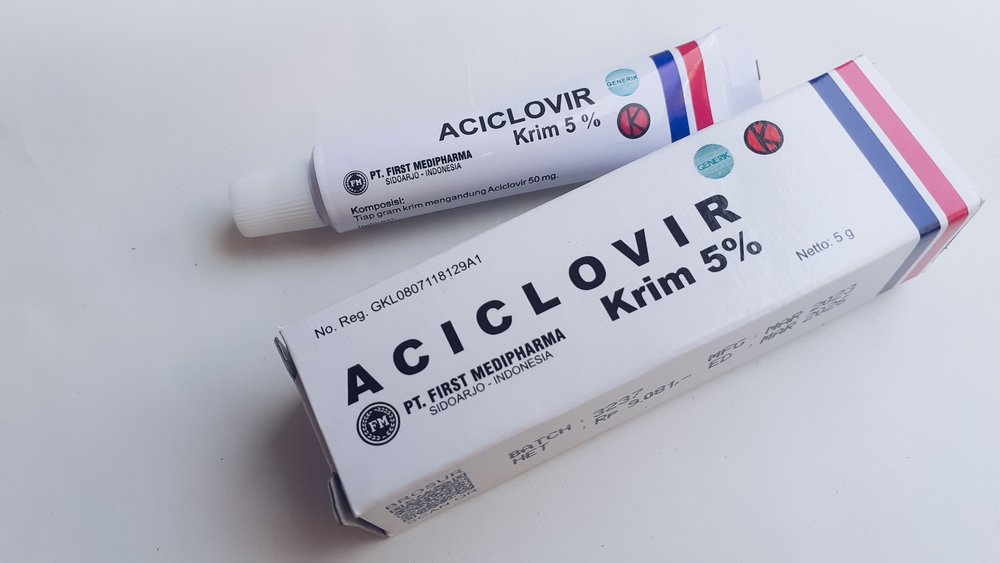
6. Antivirals
Examples: Acyclovir, Tenofovir
High doses or prolonged use may crystallize in kidneys or reduce filtration.
Safer Approach:
Adjust dose based on kidney function.
Stay well-hydrated.
Report any urinary changes promptly.
Prevent infection whenever possible through vaccination and hygiene.

How to Protect Your Kidneys
Routine Monitoring: Regular lab tests help catch early kidney stress.
Medication Review: Discuss all prescriptions and over-the-counter drugs with your doctor.
Hydration: Drink water regularly to help kidneys filter effectively.
Lifestyle Measures: Maintain healthy weight, exercise, and minimize environmental toxins.
Don’t Stop Medications Abruptly: Always consult a healthcare provider before making changes.
Conclusion
Your kidneys are indispensable yet vulnerable. Even helpful medications can quietly strain them if used carelessly. Awareness, careful use, and collaboration with your healthcare provider are essential to protect kidney function while treating underlying conditions effectively. Prevention is the best defense—because your kidneys deserve lifelong vigilance.