
The Curious History of Hallway Sinks
Ever wandered through an old house and spotted a tiny sink in a place that seems… wrong? Maybe it’s tucked under a staircase, on a narrow landing, or peeking out from a hallway corner. At first, it feels unnecessary or oddly placed. But these miniature fixtures weren’t just whimsical—they had a very practical purpose.
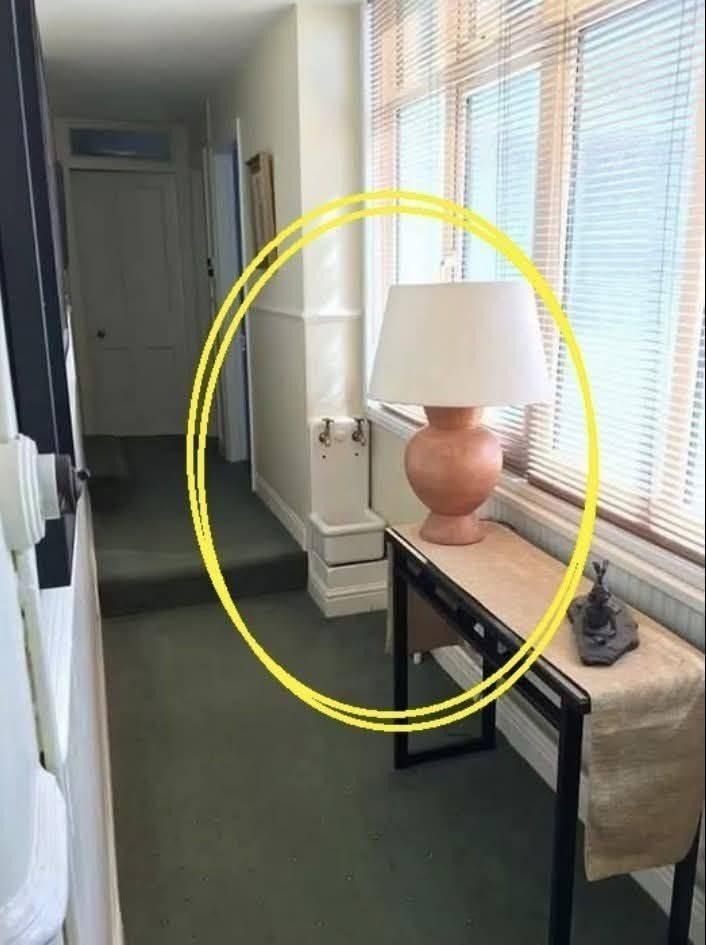
If you’ve explored older homes, you may have noticed these compact sinks, barely larger than a breadbox, discreetly installed outside main bathrooms and kitchens. Far from being decorative oddities, hallway sinks reflected the daily routines, social customs, and technological limitations of their time.
Origins
Hallway sinks first appeared in the late 1800s and early 1900s, coinciding with the rise of indoor plumbing. Unlike today, running water wasn’t available throughout the home. A small sink in a hallway or stairwell provided convenient access for quick washing without making a trip to the main bathroom or kitchen.
Practical Uses
Though they seem unusual now, these sinks served several practical purposes:
Handwashing on the Go: Before hand sanitizers or antibacterial soaps, regular handwashing was essential. Hallway sinks allowed residents and guests to clean their hands after outdoor chores, gardening, or handling pets before entering main living spaces.
Servants and Staff: In large homes with live-in staff, sinks offered a discreet spot to wash hands or rinse tools, maintaining separation between work areas and family spaces.
Gardening and Floral Arrangements: Many households cultivated elaborate flower displays. A nearby sink made trimming stems, filling vases, and cleaning muddy hands quick and convenient.
Small Cleaning Tasks: Hallway sinks sometimes served as auxiliary spots for laundry prep or rinsing cloths, especially before modern washing machines became common.
Architectural and Social Context
The placement and design of these sinks reflected broader trends in both architecture and etiquette:
Separation of Spaces: Victorian and Edwardian homes emphasized the division of public and private areas. A hallway sink allowed people to freshen up discreetly before entering formal rooms.
Compact Design: Narrow hallways and stair landings required small fixtures that blended into the space without being obtrusive.
Status Symbol: Multiple water sources signaled wealth and modernity, showing that the household could afford plumbing beyond just the kitchen or bathroom.
Why They Disappeared
As plumbing became standard throughout homes and lifestyles evolved, the need for hallway sinks declined. Bathrooms became more accessible, kitchens more central, and auxiliary sinks gradually fell out of favor—leaving behind these curious architectural relics.
Conclusion
Those tiny sinks tucked into hallways are more than just oddities—they’re glimpses into the practical habits, social norms, and daily life of earlier generations. The next time you explore an older home, take a closer look: what seems like a forgotten fixture was once a vital, sophisticated tool blending utility with etiquette.