
Could Hidden Histamines Be Behind Your Unexplained Symptoms?
Sneezing, headaches, digestive issues, or unexplained fatigue are often shrugged off as minor inconveniences, but sometimes the culprit is less obvious: histamines. These naturally occurring chemicals play a vital role in the immune system, helping the body respond to allergens. However, when histamines accumulate excessively, they can trigger a wide range of symptoms that extend far beyond typical allergy responses.
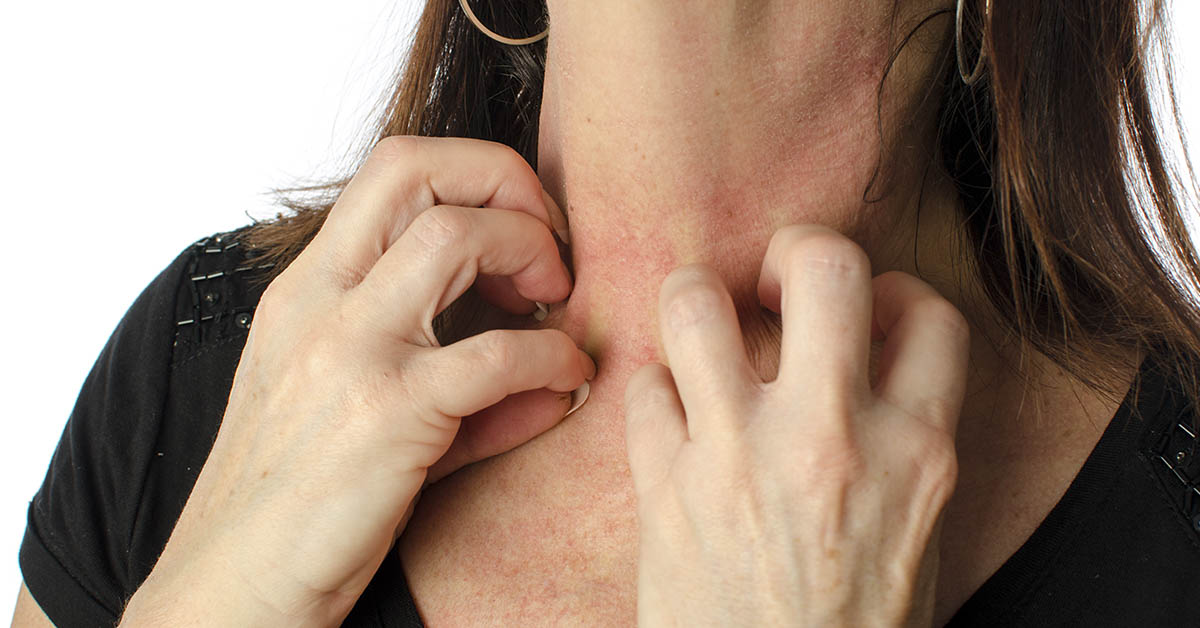
While most people are familiar with antihistamines—medications that ease allergy symptoms—few understand the role of histamines themselves. Normally, histamines help the body fight off perceived threats by causing sneezing, itching, and watery eyes. But sometimes, the body overreacts, treating harmless substances like dust, pollen, or pet dander as dangerous. Antihistamines work to suppress this overreaction.
Histamine intolerance takes this problem further. Unlike ordinary allergies, histamine intolerance affects multiple systems in the body, producing symptoms that vary widely among individuals. Common signs include digestive discomfort, headaches, fatigue, hives, heartburn, nausea, sinus congestion, watery eyes, and irregular menstrual cycles. In more severe cases, it may lead to anxiety, dizziness, irregular heartbeats, high blood pressure, trouble regulating body temperature, or swelling.
What Causes Histamine Intolerance?
Histamine intolerance does not occur because the body cannot tolerate histamines—it happens because histamines accumulate in excess. Histamines are broken down by an enzyme called diamine oxidase (DAO). If DAO levels are insufficient, histamine builds up, creating what experts call a “histamine bucket” effect. Once the bucket overflows, symptoms appear.
Factors contributing to DAO deficiency include:
Gastrointestinal disorders
Certain medications that reduce DAO function
Consuming histamine-rich foods

Eating foods that trigger histamine release
Substances that block DAO enzymes
Gut bacterial imbalances
As Kerry Torrens, BSc, explains: “Histamine intolerance isn’t a reaction to histamine itself but to the fact that we have too much. Each person has a ‘histamine bucket.’ Once it overflows, symptoms become noticeable, and managing the condition is challenging.”
Managing Histamine Through Diet
Diet plays a critical role in controlling histamine levels. Foods high in histamine or those that block DAO can worsen symptoms. Common culprits include:
Alcohol and fermented drinks
Black and green teas, energy drinks
Avocados, bananas, papaya, dried or citrus fruits
Eggplant, spinach, tomatoes
Beans, nuts, shellfish, smoked or processed meats
Aged cheeses, chocolate, and artificial additives
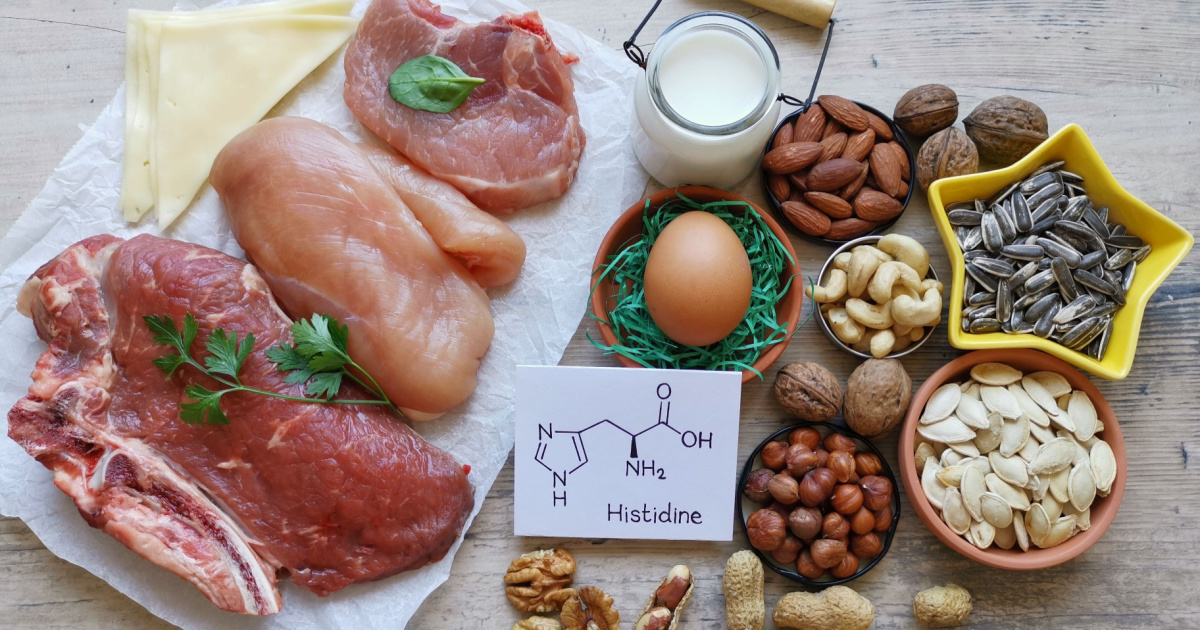
While diet alone cannot fully cure histamine intolerance, focusing on low-histamine foods can reduce symptoms. Recommended options include:
Gluten-free grains like rice and quinoa

Non-citrus fruits and most vegetables (avoiding eggplant, spinach, and tomatoes)
Fresh eggs, meat, and fish
Dairy alternatives like almond milk
Healthy oils such as olive oil
Seeking a Proper Diagnosis
Self-diagnosis can be risky because histamine intolerance mimics other conditions. Medical guidance may include an elimination diet for 2–4 weeks, gradually reintroducing foods to pinpoint triggers.
Blood tests may also identify DAO deficiencies. While antihistamines can relieve symptoms, they do not address the underlying cause. Long-term management often requires dietary adjustments, gut health support, and professional guidance.

Conclusion
Histamine intolerance is a hidden condition that can significantly affect daily life, often masquerading as common allergies or digestive issues. Recognizing subtle signs—fatigue, headaches, digestive discomfort, anxiety—can empower you to take control of your health.
While medications offer temporary relief, lasting improvement relies on a combination of dietary changes, gut health optimization, and proper enzyme support. Paying attention to these signals allows your body to maintain balance and prevents histamine overload from disrupting your well-being.