
Elizabeth Montgomery: Beyond Samantha Stephens
Some careers linger in memory, but few achieve the lasting resonance of Elizabeth Montgomery. Was it the charm of a beloved sitcom character that cemented her fame, or the deliberate choices she made afterward that defined her legacy?
The truth is layered: behind the familiar face of Samantha Stephens lies a story of artistic courage, social awareness, and personal resilience that modern audiences are only beginning to fully appreciate.

From Hollywood Roots to Rigorous Training
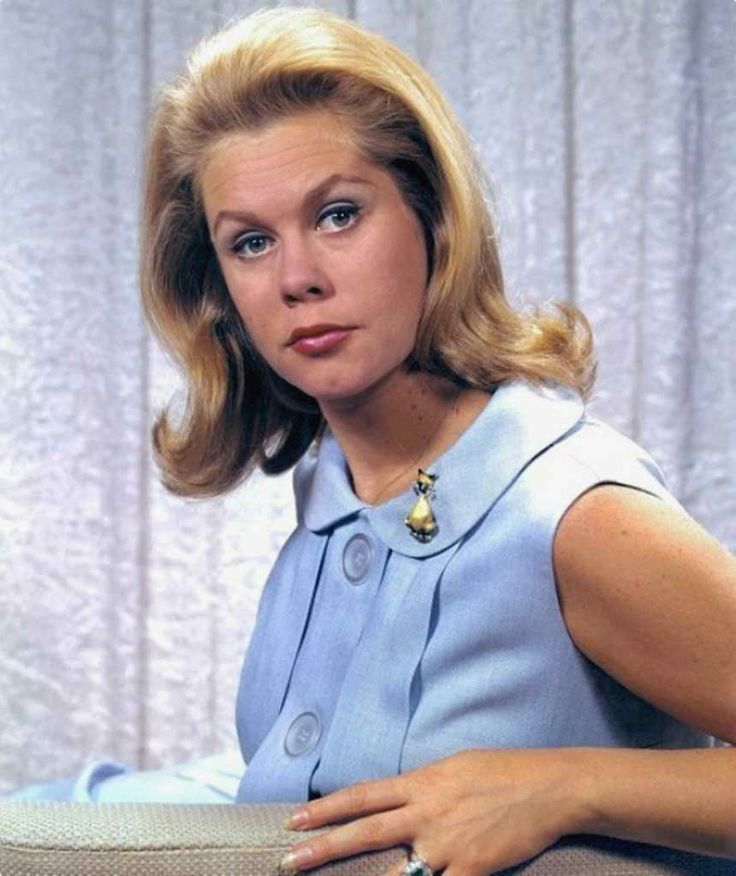
For generations, Elizabeth Montgomery is inseparable from Samantha Stephens, the clever, kind, and quietly rebellious witch at the heart of Bewitched. Though the series premiered in 1964, her performance continues to resonate, embodying intelligence, grace, and understated strength—qualities she carried both on and off screen.
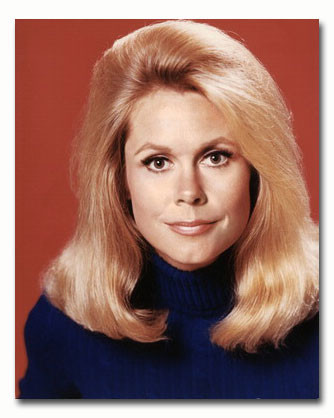
Born on April 15, 1933, in Los Angeles, Montgomery grew up immersed in show business. Her father, Robert Montgomery, was a celebrated actor, director, and producer whose career spanned stage, film, and television. His professionalism and storytelling shaped her early understanding of acting, but Elizabeth was determined to carve her own identity.
She honed her craft at the American Academy of Dramatic Arts in New York City, mastering voice, movement, emotional control, and character development. This foundation gave her performances a precision and depth that set her apart from contemporaries who relied primarily on charm. Acting was not legacy—it was vocation.
Early Career and a Commitment to Depth
Montgomery’s professional debut came in the early 1950s through television anthology series such as Studio One, Kraft Television Theatre, Playhouse 90, and The Twilight Zone. These programs allowed her to explore diverse characters, earning recognition as a serious, emotionally precise actress.
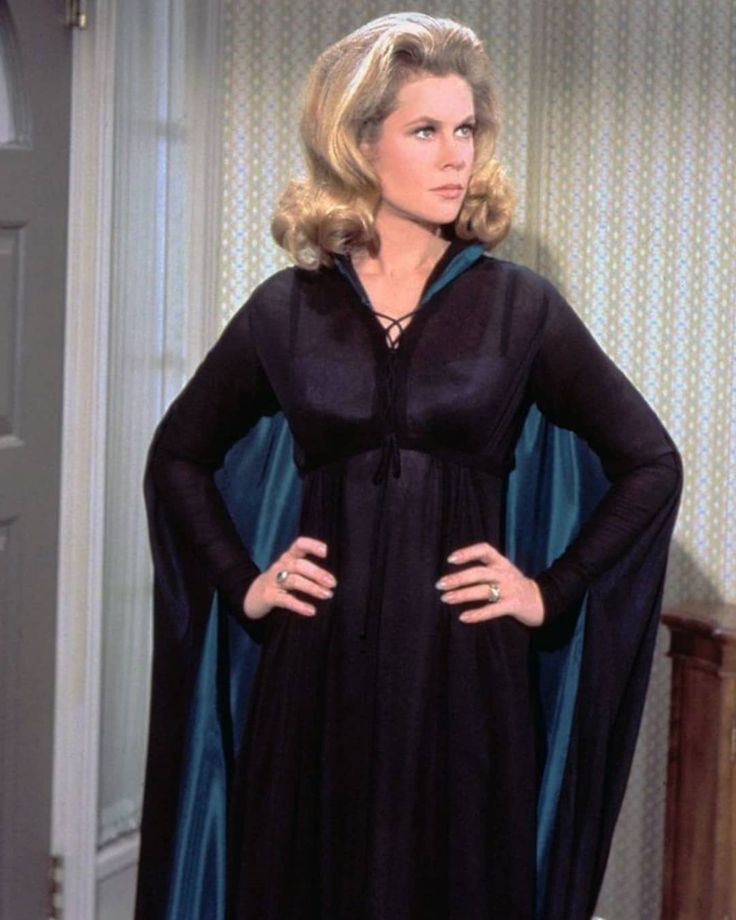
Her early work, on stage and in films like The Court-Martial of Billy Mitchell (1955) and Johnny Cool (1963), explored women grappling with moral dilemmas and personal conflict. Television, which offered more substantial roles for women, became her primary medium. Her choices reflected a prioritization of creative depth over conventional stardom.
Samantha Stephens: Humor with Nuance
The defining moment came in 1964, when Montgomery was cast as Samantha Stephens in Bewitched, created by Sol Saks. The series followed a witch who marries a mortal and attempts to lead a suburban life, suppressing her powers to fit societal norms. Montgomery brought nuance to Samantha, creating a character who was intelligent, empathetic, and quietly assertive.
Samantha subtly challenged traditional gender roles. She demonstrated emotional awareness and practical wisdom beyond those around her, balancing autonomy and societal expectation. Across eight seasons, Montgomery earned multiple Emmy nominations and cemented her place in television history, showing that humor could coexist with social commentary.
Reinvention and Socially Conscious Roles
Montgomery refused to be defined by one role. She continued appearing in dramatic series like Alfred Hitchcock Presents, demonstrating artistic courage. In the 1970s, she tackled socially relevant themes in television films:
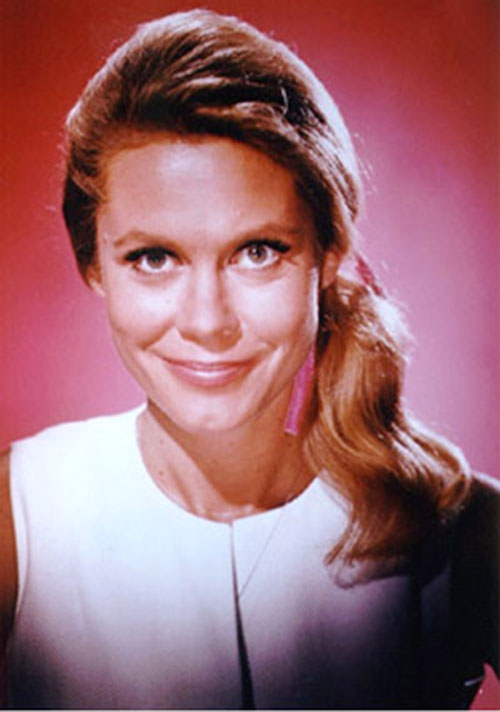
A Case of Rape (1974) explored a survivor navigating a skeptical legal system, earning critical acclaim and an Emmy nomination.
The Legend of Lizzie Borden (1975) allowed ambiguity and psychological tension to shape a memorable performance.
Later works such as The Awakening Land, Amos, Black Widow Murders, and Face to Face reflected a commitment to meaningful storytelling over commercial safety.
Advocacy and Personal Resilience
Beyond acting, Montgomery engaged in social causes, supporting civil rights, women’s rights, and LGBTQ+ equality. In the 1980s and 1990s, she became active in HIV/AIDS awareness campaigns, demonstrating empathy and courage during a period of stigma.
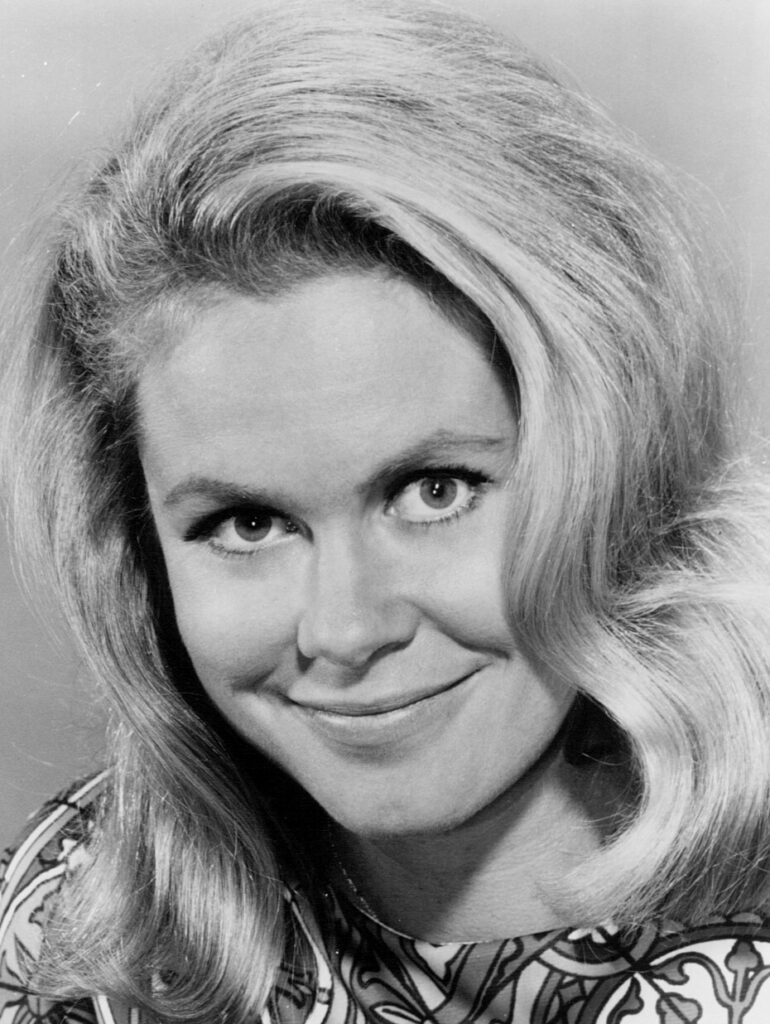
Her personal life, marked by four marriages, found stability later in a long-term partnership with actor Robert Foxworth. Friends described her as private and reflective, valuing deep connection over public attention.
In 1995, Montgomery was diagnosed with colon cancer, which progressed rapidly. She passed away on May 18, 1995, at 62, surrounded by family. Tributes celebrated her talent, intelligence, and compassion, solidifying her enduring legacy.
Legacy
While Samantha Stephens remains iconic, Montgomery’s broader career tells a story of courage, reinvention, and integrity. She bridged eras of television, balancing warmth and magic with emotional realism and social relevance. Her performances continue to inspire, showing that true artistic impact is measured by depth, authenticity, and the courage to challenge expectations.
Conclusion
Elizabeth Montgomery’s legacy extends far beyond the whimsical charm of Samantha Stephens. She was a fearless artist who embraced complexity, advocated for social justice, and continually reinvented herself to pursue meaningful work. Decades later, she remains a model of courage and creativity, proving that enduring influence comes from authenticity, not fleeting fame.