
It begins quietly—a folded note tucked into a drawer, a sweater draped over a chair, a photograph turned face-down on a shelf.
At first, these objects seem ordinary, almost inconsequential. But once someone you love is gone, even the smallest items carry a weight, a presence, a quiet reminder that lingers in ways nothing else can.
The days after a loss can feel surreal, as if time itself has slowed. You find yourself surrounded by the objects they touched—the clothes they folded, the letters they wrote, the items that marked the rhythm of their life.
Each decision about what to keep, what to release, feels heavier than expected because grief amplifies even the smallest choices. And yet, it is often within these fragile moments that the ordinary becomes extraordinary.
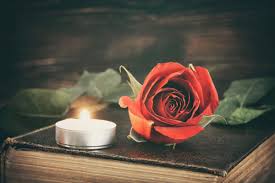
Letters, cards, and handwritten notes are treasures to protect. A simple birthday card, a casual message, or a line scrawled on a scrap of paper can capture the essence of a person in ways no photograph ever could. Their words—funny, kind, or quietly thoughtful—become companions in days that feel unbearably long. Photographs and albums hold similar power, freezing moments of laughter, love, and quiet joy, allowing us to revisit them again and again.
Heirlooms and sentimental keepsakes carry stories too. They don’t have to be valuable or rare; a worn sweater, a cherished piece of jewelry, a favorite mug, or a small trinket from a desk shelf can encapsulate memories and emotions. Preserving these items nurtures family traditions and allows the love you shared to ripple across generations.
Personal documents—diaries, recipes, awards, handwritten lists—offer another layer of connection. They reveal habits, dreams, and the subtle details that made a person who they were. Setting aside these meaningful items amid grief doesn’t just preserve memory; it allows the presence of your loved one to continue quietly, offering guidance, comfort, and a touch of warmth in your ongoing life.
Conclusion
Keepsakes—letters, photographs, heirlooms, and personal documents—are more than objects. They are enduring bridges to those we’ve lost, preserving personality, love, and memory in ways that nothing else can. By thoughtfully saving these treasures, we honor the lives of those who shaped us and allow their presence to remain a gentle, guiding force in our hearts for years to come.