
At first glance, it doesn’t seem like something worth worrying about.
There are no flashing warning signs, no immediate discomfort, no clear signal that anything is wrong. Life continues as normal, uninterrupted and unchanged.
Yet beneath that silence, something can linger unnoticed for years—quietly adapting, quietly spreading, and in some cases, quietly setting the stage for serious long-term health consequences.
What makes it even more unsettling is how easily it can be passed on without either person realizing it. A moment that feels ordinary, even routine, can unknowingly become the starting point of a much more complicated reality.
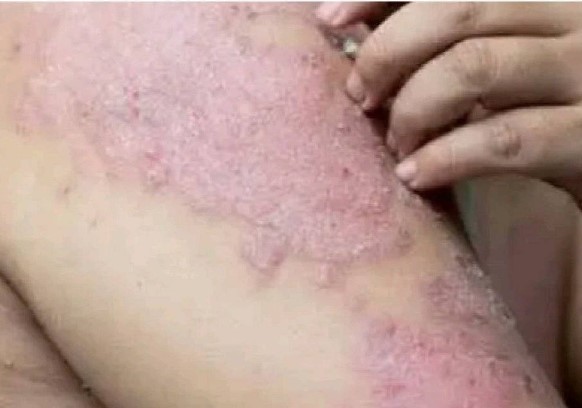
This is the hidden nature of Human papillomavirus—a virus that continues to shape global health conversations in ways many people are only beginning to understand.
A Widespread but Overlooked Threat
In recent years, awareness around Human papillomavirus has grown significantly. Public health campaigns, medical research, and educational initiatives have all contributed to a better understanding of its risks.
However, much of this discussion has historically focused on women’s health—largely due to the virus’s well-known connection to Cervical cancer.
While this focus is important, it has also unintentionally overshadowed a critical truth: HPV affects men as well, and its impact on male health is often underestimated.
HPV is one of the most common viral infections in the world. It does not discriminate based on gender, age, or background. In fact, experts estimate that nearly every s*xually active person will encounter it at some point in their lifetime.
What makes HPV particularly concerning is its silent nature. In many cases, there are no symptoms at all. People can carry and transmit the virus for months—or even years—without any awareness.
This invisibility is what makes education so essential. Understanding how HPV works empowers individuals to take control of their health and reduce the risk of transmission.
Understanding HPV: More Than One Virus
One of the most important things to know about Human papillomavirus is that it is not a single virus, but a large group of more than 200 related strains.
These strains are broadly divided into two categories:
Low-risk types, which are generally associated with conditions like skin growths or warts. While not usually dangerous, they can still cause discomfort and emotional stress.
High-risk types, which are more serious and have been linked to cancers affecting different parts of the body.
In men, high-risk HPV strains are increasingly associated with cancers of the throat, tonsils, and base of the tongue—often grouped under Oropharyngeal cancer.
Most HPV infections are cleared naturally by the immune system within one to two years. However, when the virus persists—especially high-risk strains—it can slowly cause changes in cells that may eventually lead to cancer.
Why HPV Matters for Men
For decades, HPV was widely viewed as a women’s issue. This misconception has left many men unaware of the risks they face.
In reality, HPV can affect men in several important ways.
One of the most concerning is its link to Oropharyngeal cancer, which has been rising in recent years. These cancers often develop quietly, with symptoms appearing only at later stages.
HPV can also cause visible conditions such as genital warts. While not life-threatening, they can still require treatment and cause emotional distress.
Equally important is the role men play in transmission. Because HPV often shows no symptoms, men can unknowingly pass the virus to their partners. This makes awareness not just a personal responsibility, but a shared one.
Silent Transmission: How It Spreads
Unlike many infections, Human papillomavirus does not require the exchange of bodily fluids. It spreads through direct skin-to-skin contact, particularly during intimate interactions.
This means the virus can be transmitted even when there are no visible signs of infection.
Because HPV can remain dormant, a person may carry it for years without knowing. By the time symptoms appear—if they appear at all—the virus may already have been passed on or progressed further.
This silent transmission is one of the main reasons HPV remains so widespread.
Lifestyle and Risk Factors
HPV is extremely common, and exposure is a normal part of life for many people. However, certain factors can influence risk.
The likelihood of encountering the virus increases with the number of intimate contacts over time. Each new exposure introduces the possibility of a different strain.
Still, it is important to challenge the misconception that HPV only affects certain groups. The reality is much broader—HPV affects people across all lifestyles and backgrounds.
Recognizing Symptoms—and the Lack of Them
One of the most difficult aspects of HPV is that it often produces no symptoms.
This absence of warning signs can create a false sense of security. Many people assume they are not infected simply because they feel fine.
When symptoms do appear, they vary depending on the strain. Some individuals may notice small growths or warts, while others may develop issues in the throat or respiratory system.
More serious complications arise when high-risk strains persist, potentially leading to cancers such as Oropharyngeal cancer.
Because these conditions develop gradually, early awareness and prevention are key.
The Emotional Impact
Beyond physical health, HPV can also affect emotional well-being.
A diagnosis may lead to anxiety, confusion, or embarrassment—often fueled by misinformation and stigma. Many people mistakenly associate HPV with negative assumptions.
In reality, HPV is incredibly common. Having it does not define a person’s behavior or character.
Open conversations can make a significant difference. Honest communication with partners helps build trust, while access to accurate information reduces fear and uncertainty.
Prevention: What Men Can Do
Although HPV is widespread, there are effective ways to reduce risk and protect health.
1. Vaccination
The most powerful tool against Human papillomavirus is vaccination.
Modern vaccines protect against the most dangerous high-risk strains, as well as some low-risk types. Health experts recommend vaccination at a young age, but it remains beneficial up to age 45 in many cases.
Extensive research has shown these vaccines to be safe and highly effective.
2. Safer Intimacy
Protective measures during intimate contact can reduce the risk of transmission, though they do not eliminate it entirely.
Combining these practices with vaccination offers stronger protection.
3. Regular Checkups
While there is no standard HPV screening test for men, regular medical visits are still important.
Doctors can identify unusual symptoms early and recommend further evaluation if needed.
4. Strengthening the Immune System
A healthy immune system plays a key role in clearing HPV naturally.
This includes maintaining a balanced diet, exercising regularly, managing stress, and avoiding harmful habits like smoking.
5. Communication
Open and honest discussions with partners help reduce uncertainty and promote shared responsibility.
Breaking Common Myths
Despite growing awareness, misconceptions persist:
Myth: HPV only affects women.
Reality: Men are also at risk.
Myth: No symptoms means no infection.
Reality: Many infections are silent.
Myth: Only certain lifestyles lead to HPV.
Reality: HPV is extremely widespread.
Myth: Vaccination isn’t necessary for men.
Reality: It protects both individuals and communities.
Common Questions
Is there a test for men?
No standard screening exists; doctors focus on symptoms.
Does HPV always lead to cancer?
No. Most infections clear naturally.
How long does it last?
Usually one to two years, though some persist longer.
Can you get it again?
Yes, especially with different strains.
Living with Awareness, Not Fear
Understanding Human papillomavirus is not about fear—it is about awareness.
Most infections do not cause serious harm. Many resolve without lasting effects. But knowledge allows people to take simple, effective steps to protect themselves and others.
Reducing stigma is just as important. When people recognize how common HPV is, conversations become more open, supportive, and informed.
Conclusion
Human papillomavirus remains one of the most widespread yet misunderstood infections in the world. While often associated with women, its impact on men is equally significant and deserves greater attention.
Its silent nature and ease of transmission make awareness essential. Through vaccination, safer practices, regular health monitoring, and honest communication, men can take meaningful steps to protect themselves and their partners.
At the same time, breaking down myths and stigma can lead to more informed and supportive conversations.
The message is simple but powerful: HPV is common—but it is also largely preventable. With the right knowledge and choices, individuals can protect their health and contribute to a safer, more informed future for everyone.