
A Viral Video, Empty Buildings, and a National Reckoning Over Trust
It began quietly: a man with a camera, a list of addresses, and a question that felt unsettlingly simple. How could childcare centers receiving millions in public funds appear abandoned? Within days, that question exploded into a national controversy—one that pulled in federal agencies, froze funding streams, rattled state leadership, and reignited debates over fraud, bias, and the power of viral media.

What followed revealed less about daycare buildings—and far more about how quickly perception can overtake evidence.
How One Video Sparked a Firestorm
In late December 2025, independent content creator Nick Shirley released a 42-minute video documenting visits to several Minnesota childcare providers approved under the state’s Child Care Assistance Program (CCAP). The federally backed program helps low-income families afford childcare, with payments administered by the state.
Shirley’s footage showed a number of facilities across the Minneapolis area that appeared inactive: locked doors, empty parking lots, and no visible staff or children. In one of the most widely shared segments, a center labeled “Quality Learning Center” appeared closed despite public payment data suggesting it had received close to $2 million in CCAP funding.
The implication was clear, even if not explicitly stated: taxpayer dollars may have been flowing to centers that weren’t operating.
Once the video hit platforms like X and YouTube, it spread rapidly, boosted by major political figures and commentators. What began as a solo investigation quickly transformed into a national talking point.
Political Pressure Mounts
Republican lawmakers seized on the footage, demanding explanations from Minnesota officials. Congressman Tom Emmer and others publicly criticized Governor Tim Walz, arguing that the video exposed major oversight failures within state-run programs.
Conservative media framed the footage as emblematic of broader government waste, while critics cautioned against drawing conclusions from short, unannounced visits. Journalists and policy experts emphasized that a closed door at a single moment does not establish fraud—especially in industries with irregular schedules.
But the momentum was already building.
State Agencies Push Back
In response to the growing backlash, Minnesota’s Department of Children, Youth and Families (DCYF) launched follow-up inspections at the locations shown in the video.

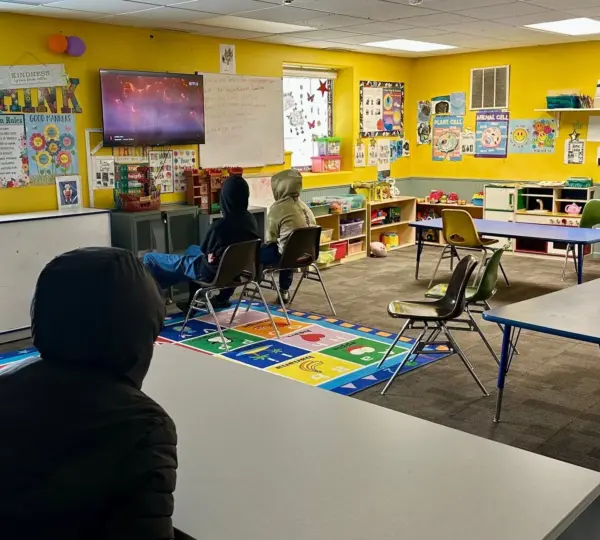
Officials stated that all centers had undergone routine licensing inspections within the prior six months. Additional spot checks, they said, found that most facilities were operating normally, with children present during official visits.
Two of the centers featured in the video were confirmed to have closed—but were no longer receiving CCAP funds.
State regulators stressed that childcare centers often operate on limited hours and that unannounced visits outside operating times can create misleading impressions. Importantly, DCYF reported no evidence of criminal fraud and did not suspend payments.
Federal Agencies Step In
Despite the state’s findings, the controversy escalated further when the U.S. Department of Health and Human Services temporarily froze federal childcare funding to Minnesota. The pause was described as precautionary, pending additional documentation such as attendance records, compliance reports, and licensing verification.
Federal investigators, including the FBI and Department of Homeland Security, became involved to assess whether misuse of funds had occurred.
Authorities were careful in their language: no wrongdoing had been confirmed, but the situation warranted closer scrutiny.
Subsequent reporting by local media outlets painted a more nuanced picture. While some centers had minor compliance issues, none were found to be running fraudulent operations. Most remained fully licensed and active.
The Role of Race, Community, and Misinformation
As the debate intensified, civil rights organizations raised alarms about another dimension of the story. Many of the targeted childcare providers were owned by members of Minnesota’s Somali community.
Advocates warned that the framing of the controversy risked fueling ethnic and religious profiling. They argued that oversight must rely on documented evidence—not assumptions shaped by appearance, location, or identity.
Meanwhile, daycare workers reported harassment and threats following the video’s release. False claims circulated online, including allegations of political donations that fact-checkers later debunked.
The human cost of viral speculation became increasingly difficult to ignore.
Political Consequences and Broader Implications
The sustained pressure took a toll. Reports later indicated that the controversy contributed to Governor Walz’s decision not to pursue a third term, underscoring how quickly viral narratives can shape political futures—regardless of investigative outcomes.
Beyond Minnesota, the incident fueled a broader national debate about public oversight:
How should governments balance transparency with fairness?
Can viral media coexist responsibly with due process?
Where is the line between accountability and stigmatization?
Conclusion: When Virality Outpaces Verification
The Minnesota daycare controversy is ultimately a case study in the modern information age. A single video—compelling, provocative, and incomplete—set off a chain reaction that reached the highest levels of government before investigations had time to catch up.
So far, official reviews have not substantiated claims of widespread fraud. What they have revealed instead is how fragile public trust can be when visual narratives replace verified facts.
The lesson is not that oversight is unnecessary—it’s that accountability must be grounded in evidence, not impressions. In an era where viral content can move faster than truth, the real challenge lies in slowing down long enough to get the story right.