
Federal Authorities Foil Murder-for-Hire Plot Targeting Border Patrol Commander
What began as a chilling tip quickly escalated into a high-stakes federal investigation. In late 2025, U.S. authorities say they prevented a murder-for-hire scheme aimed at a senior Border Patrol official, arresting a man accused of offering cash rewards for the officer’s death before any violence could occur.

The alleged plot highlighted a growing threat to law enforcement officials, amplified by social media and digital communication channels.
How the Threat Emerged
The investigation began in October 2025, when Homeland Security Investigations received a tip from a confidential informant. The warning was specific: someone was offering money for the death of a high-ranking federal law enforcement officer.
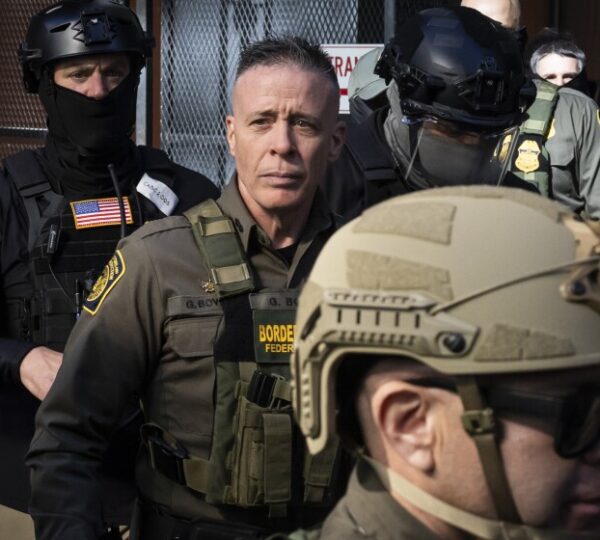
According to court filings, the informant provided a screenshot from Snapchat showing a user identified as “Juan,” allegedly tied to gang activity. The post offered $2,000 for information about the official’s whereabouts and $10,000 for carrying out the killing. A photo of the targeted officer, Gregory Bovino—a prominent Border Patrol commander active in Chicago—was included.
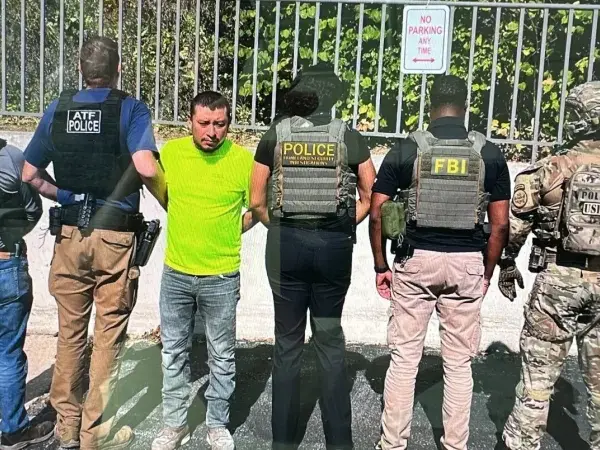
Federal agents quickly traced the communications to 37-year-old Juan Espinoza Martinez of Burr Ridge, Illinois, identifying him as the alleged organizer of the scheme.
The Alleged Target
Gregory Bovino has played a high-profile role in federal immigration enforcement, leading operations in major cities, including Chicago. His work has drawn praise and criticism alike, placing him in the public eye and, unfortunately, making him a target for threats.
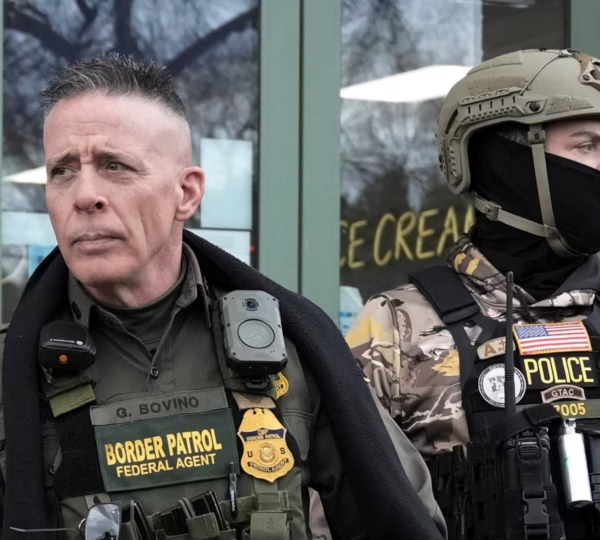
Federal authorities described the alleged plot as a direct challenge to the rule of law, emphasizing that threats against officers would be treated with the utmost seriousness.
Arrest and Legal Proceedings
Martinez was arrested on October 6, 2025, without incident and charged with soliciting the murder of a federal law enforcement officer—a crime that carries decades in prison. Prosecutors allege Martinez used social media to offer explicit financial incentives for violence.
During his initial court appearance, Martinez pleaded not guilty. His defense contends that the messages were misinterpreted and denies any gang affiliation. Pre-trial hearings have raised questions about what evidence—such as alleged gang ties and informant testimony—can be presented to the jury.
Broader Context
The plot unfolded during Operation Midway Blitz, a federal initiative targeting undocumented immigrants with criminal records in Chicago. The operation sparked public protests and heightened tensions, creating an environment where hostility toward federal officers was particularly acute.
Authorities say the case demonstrates the growing risks law enforcement officials face in a digital era, where threats can emerge quickly and invisibly online.
Conclusion
Although no physical harm occurred, the case underscores a stark reality: in a world of social media, political tension, and rapid digital communication, threats against public officials can escalate fast. It also highlights the crucial role of intelligence gathering, informants, and interagency coordination in preventing violence before it becomes irreversible.
The swift response in this case shows that, even in a complex digital landscape, law enforcement can intervene to protect lives—and enforce the rule of law.