
Red patches that flare up at night may seem harmless, but repeated irritation can signal an underlying skin issue.
Understanding why your skin worsens in the evenings—and what can be done at home—can help prevent further discomfort while you await professional care.
Why Skin Becomes More Sensitive at Night
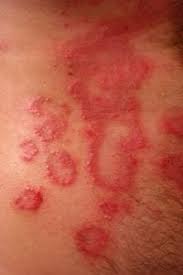
Circadian rhythms: Cortisol, a natural anti-inflammatory hormone, decreases in the evening, making skin more prone to irritation.
Weakened skin barrier: Increased water loss and dryness at night can exacerbate redness and itchiness.
Common nighttime flare-ups: Conditions like eczema often worsen during these hours.
Could It Be Eczema?
Eczema (atopic dermatitis) is a frequent cause of red, itchy patches. Symptoms include:
Dry, scaly, or inflamed skin
Oozing or crusting in severe cases
Worsening at night
Factors contributing to eczema include genetics, environmental triggers, and a weakened skin barrier.
Nighttime Triggers
Heat, sweat, and bedding: Use lightweight, breathable sheets and maintain a cool room (60–67°F).
Stress and sleep quality: Stress increases inflammation; relaxation techniques like meditation, deep breathing, or gentle yoga can help.
Household irritants: Detergents, fabric softeners, and fragrances can aggravate sensitive skin. Choose hypoallergenic, fragrance-free products and double-rinse laundry.
Daily Habits That Can Worsen Flare-Ups
Hot showers or harsh soaps strip natural oils. Opt for lukewarm water and gentle cleansers.
Apply thick moisturizer immediately after bathing to protect the skin barrier.
Food Sensitivities
Certain foods can trigger inflammatory skin responses. Common culprits: dairy, gluten, nuts, shellfish. Keeping a food diary and consulting a healthcare professional about elimination diets may help identify triggers.
TikTok and Home Remedies
Soothing options: Oatmeal baths, aloe vera, and chamomile-based products can help.
Avoid irritants: Undiluted apple cider vinegar or harsh home concoctions may worsen symptoms. Always consult a dermatologist before experimenting.
Over-the-Counter Relief
Hydrocortisone cream reduces inflammation.
Emollient-rich moisturizers relieve dryness.
Avoid long-term steroid use without medical guidance.
Other Potential Causes
If not eczema, consider:
Psoriasis (thick, scaly plaques)
Rosacea (facial redness and visible blood vessels)
Contact dermatitis (reaction to irritants)
Professional assessment is essential for accurate diagnosis.
What to Track Before Your Appointment
Flare-up frequency, duration, and triggers
Remedies tried and their effects
Photographs of affected areas for reference
Safe At-Home Soothing Measures
Apply rich moisturizers regularly
Use a bedroom humidifier to counter dry air
Choose skincare with calming ingredients like chamomile or calendula
Avoid scratching to prevent irritation and infection
Wear soft, breathable fabrics
Conclusion
Nighttime red patches can be frustrating, but understanding triggers and adopting gentle home care can reduce discomfort while you wait for professional evaluation.
Tracking flare-ups, noting triggers, and soothing your skin with safe measures will help protect it from worsening and provide valuable information for your healthcare provider.