
Coldwater Mayor Arrested for Election Violations Over Citizenship Status
For years, Coldwater, Kansas, ran on routine paperwork, quiet council meetings, and the assumption that its elected officials met legal requirements.
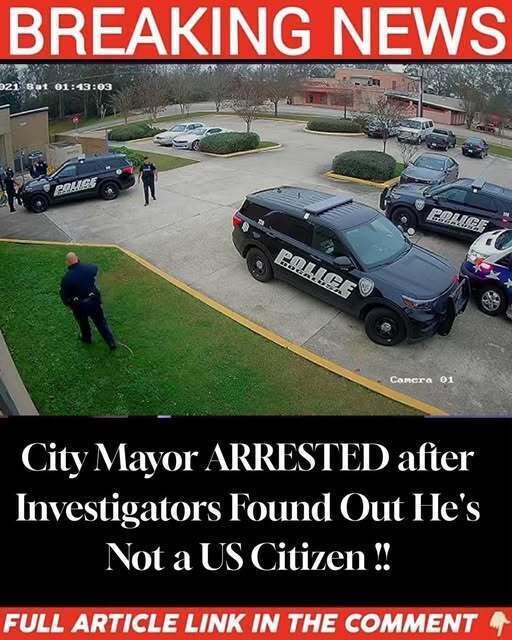
That calm was upended when Mayor Jose “Joe” Ceballos was arrested by the Kansas Bureau of Investigation (KBI) on multiple felony election charges. Investigators allege Ceballos unlawfully held public office while lacking U.S. citizenship.
According to the KBI, Ceballos is a Lawful Permanent Resident, not a citizen. While permanent residents may live and work in the U.S., Kansas and federal law require citizenship to vote or hold elected office.
The mayor faces three felony counts of election perjury and three counts of election forgery for allegedly signing candidacy paperwork falsely affirming his citizenship ahead of the November 2022 mayoral election.
How the Oversight Occurred
In small jurisdictions like Coldwater, candidate eligibility largely depends on self-certification. Prospective officeholders sign affidavits declaring they meet legal requirements, but local officials typically do not verify citizenship unless challenged. Investigators believe Ceballos’s long-standing community presence and lack of formal disputes allowed the filings to go unexamined until a tip prompted investigation.
The case highlights the distinction between permanent residency and citizenship: green card holders may work, pay taxes, and reside indefinitely in the U.S., but they cannot legally hold elected office. Legal analysts note that a key question will be whether Ceballos knowingly misrepresented his status or misunderstood the law, though state statutes leave no exceptions for non-citizens.
Implications for Coldwater
Ceballos’s arrest has created administrative uncertainty. If removed or resigning, municipal succession procedures may place the City Council president in charge or trigger a special election. Residents have also questioned the legitimacy of decisions made under his tenure. Legal precedent—through the de facto officer doctrine—generally preserves the validity of acts performed by officials acting under apparent authority, mitigating immediate disruptions to governance.
Broader Significance
While the case may be isolated, it exposes vulnerabilities in local election processes that rely heavily on trust and self-certification. As states debate election integrity and candidate verification, Coldwater’s situation could serve as a cautionary example of the need for stricter eligibility checks.
For now, the priority is restoring lawful leadership, maintaining municipal stability, and rebuilding public confidence in a system meant to serve the community transparently and responsibly.