
Could a Future World War Hit U.S. Soil? Understanding the Risks and Realities
The headlines may be quiet, but the idea still lingers: Could the next world war begin on American soil? While it may sound like the plot of a novel, this question reflects real concerns about global tensions, nuclear weapons, and the consequences of conflict in the 21st century. Such scenarios are less predictions than tools to understand national security and the importance of deterrence.
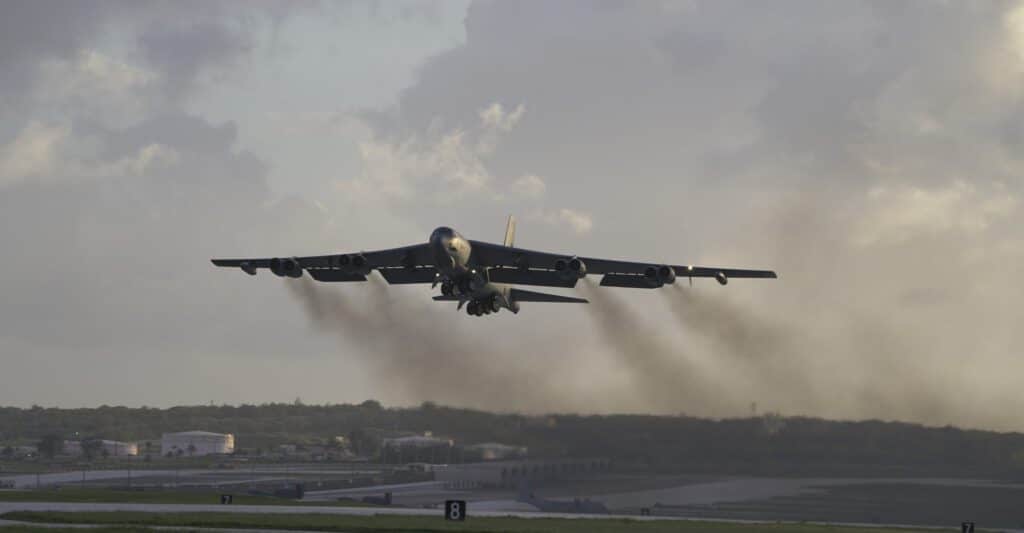
Why Discuss Nuclear Targets?
Recent geopolitical developments—from regional conflicts to shifting alliances—have prompted analysts to consider how nuclear strategy might play out. While the actual likelihood of an attack on U.S. soil is low, examining potential targets helps illustrate how deterrence and military strategy work in practice.
Nuclear historian Alex Wellerstein explains that target priorities depend on an attacker’s objectives. If the goal is to prevent retaliation, hardened military command centers and missile silos would be prioritized. If the aim is psychological or economic disruption, symbolic cities or large population centers might be included.
Cities Often Mentioned
Strategic military locations
Great Falls, MT — near Malmstrom Air Force Base and ICBM silos
Cheyenne, WY — home to Francis E. Warren AFB
Ogden & Clearfield, UT — near Hill AFB nuclear facilities
Colorado Springs, CO — NORAD headquarters
Omaha, NE — adjacent to Offutt AFB strategic command
Albuquerque, NM — near Kirtland AFB
Shreveport, LA — near Barksdale AFB
Honolulu, HI — Pacific naval and air assets
Major urban and economic centers
Washington, D.C. — political and command hub
New York City — financial and symbolic importance
Los Angeles, San Francisco, Chicago, Houston, Seattle — large populations and economic influence
It’s important to note that no official government “target list” exists in the public domain. These assessments are based on public analyses of strategic logic, not declassified plans.
What This Really Means
Discussing potential targets is not a prediction of an imminent attack. It highlights how nuclear strategy and deterrence function. Mutual assured destruction—the understanding that nuclear retaliation would be catastrophic—remains the primary safeguard against such scenarios. Analysts emphasize diplomacy, arms control, and crisis communication as essential tools for maintaining global stability.
Even in theoretical scenarios, fallout and secondary effects would extend far beyond any initial strike zone, affecting regions far from primary targets. Awareness of these risks helps frame discussions about preparedness and security without spreading unnecessary fear.
Conclusion
The idea of World War III starting on U.S. soil remains hypothetical. Lists of potential targets reflect strategic logic rather than an imminent threat.
Deterrence, international cooperation, and careful leadership continue to act as the strongest defenses against catastrophic escalation. Understanding the risks of nuclear conflict helps inform public awareness and policy—but it’s equally important to approach such discussions with perspective, separating plausible scenarios from panic.