
Minneapolis ICE Shooting Sparks National Debate on Enforcement, Safety, and Accountability
What began as a routine enforcement operation on a Minneapolis street quickly escalated into a flashpoint with national consequences. As video clips circulated online and narratives hardened, a single encounter exposed fault lines between public safety, immigration enforcement, and public trust.
One life was lost, and another has been thrust into hiding—raising unsettling questions about accountability, perception, and the rapid escalation of local incidents into national controversies.

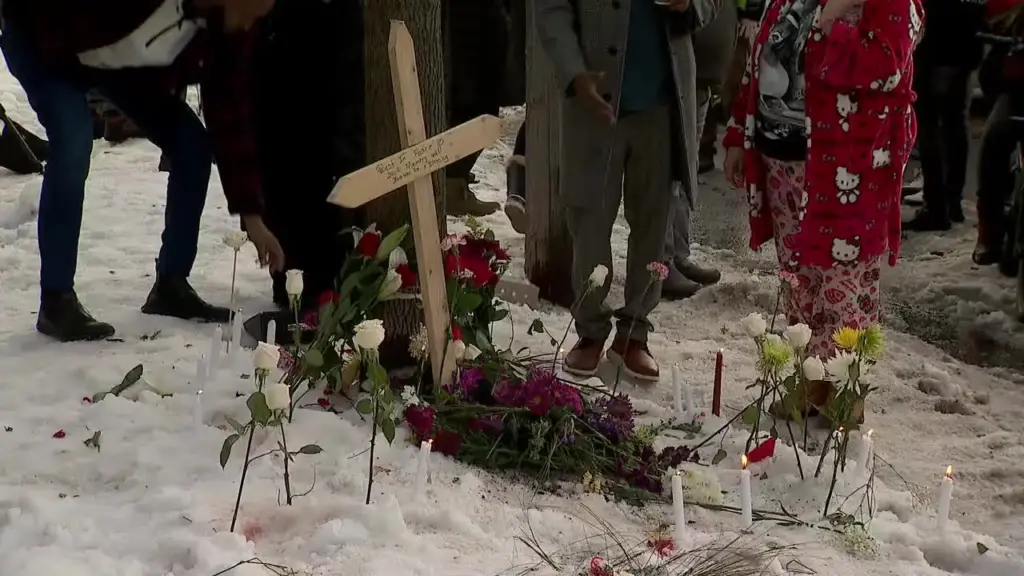
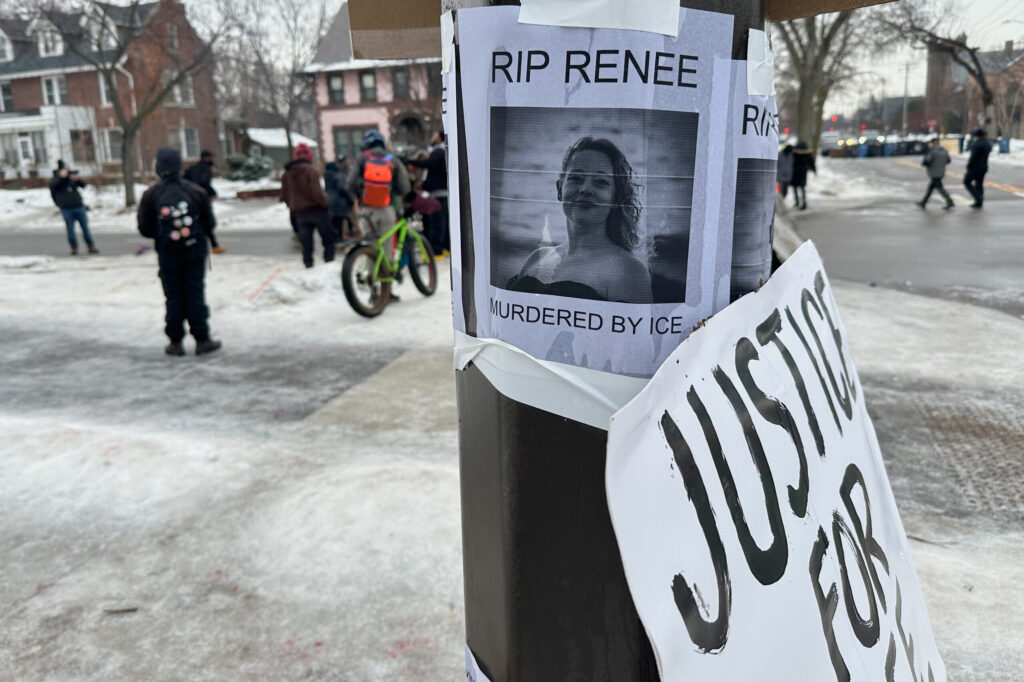
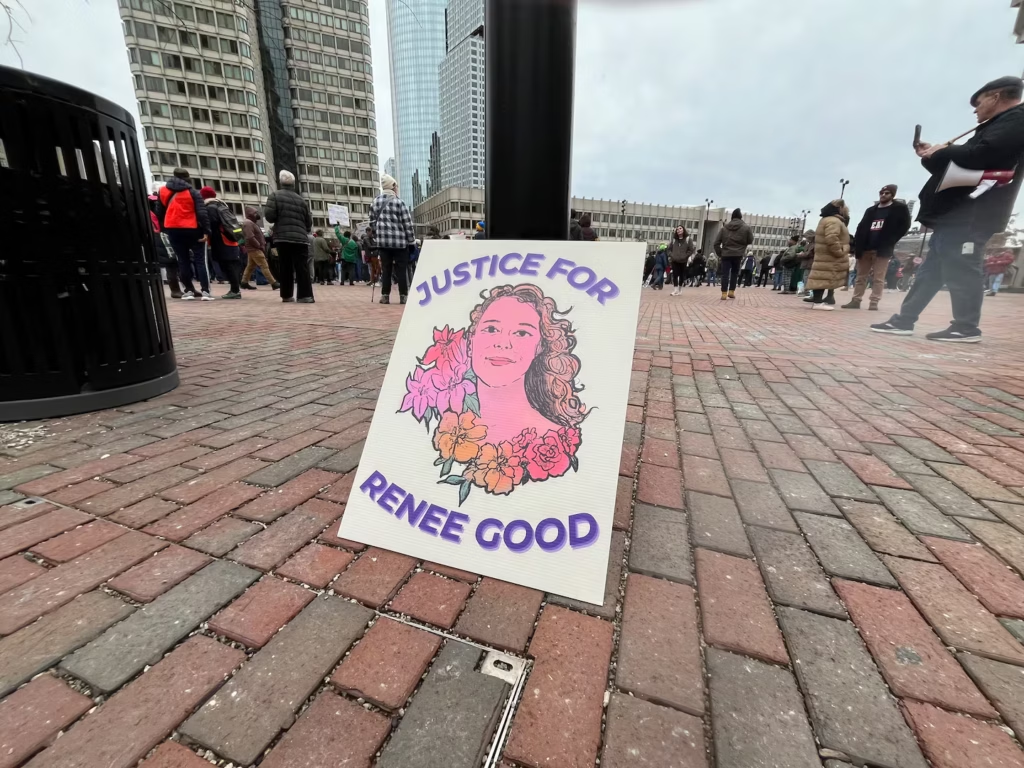
Last week, Renee Good, a Minneapolis woman, was fatally shot during an encounter with an Immigration and Customs Enforcement (ICE) agent. Video of the incident, partially recorded and widely shared online, appears to show Good attempting to flee a traffic stop in her vehicle, striking an ICE officer before being shot. Though incomplete, the footage triggered widespread public reaction and protests across several U.S. cities.
The Incident
According to ICE and local authorities, the encounter occurred during what the Department of Homeland Security described as the largest coordinated immigration enforcement operation ever conducted in the Twin Cities area. Agents were carrying out targeted arrests of individuals alleged to be in violation of federal immigration law.
Officials allege that during the traffic stop, Good attempted to evade detention by driving toward an ICE officer. The agent, perceiving an immediate threat, discharged his weapon, resulting in her death. The agent has since been placed under protective measures following online threats and doxxing, which exposed personal information about him and his family. Authorities emphasized the importance of safeguarding both the agent and his loved ones amid heightened tensions.
Reports indicate this was not the agent’s first exposure to life-threatening danger. Approximately six months earlier, he suffered serious injuries after being dragged nearly 300 feet by a vehicle during another encounter. Experts suggest that cumulative stress and prior trauma can significantly affect officers’ split-second decision-making during high-risk situations.
Protests and Public Reaction
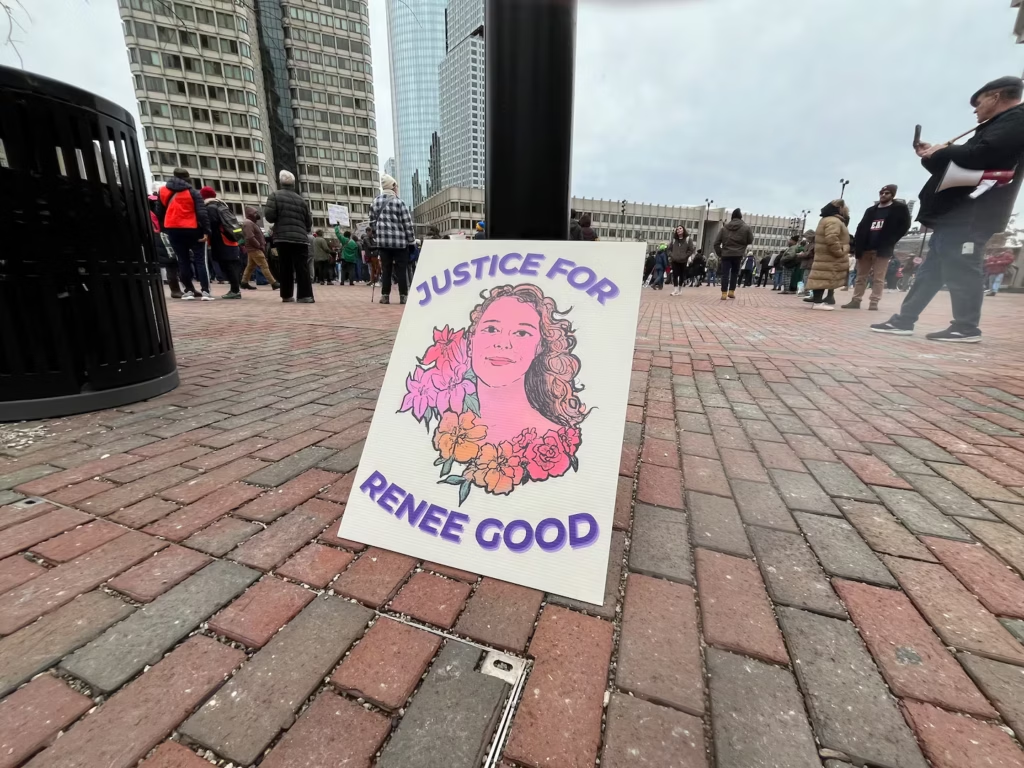
The shooting immediately sparked demonstrations, initially peaceful in Minneapolis but later escalating in some areas. Police issued 29 citations for incidents involving rock-throwing and confrontational behavior. Similar protests appeared in Chicago, New York, and Los Angeles, raising broader questions about immigration enforcement, use-of-force standards, and agency oversight.
Supporters of ICE argue that agents operate in inherently dangerous situations and must be allowed to protect themselves from immediate threats. Critics, however, point to patterns of excessive force and call for greater transparency, independent review, and reforms to federal enforcement practices.
Statements from Officials
Former acting ICE director Tom Homan publicly defended the officer, noting the emotional toll such incidents take and emphasizing the need for due process before conclusions are drawn. He also highlighted the threats faced by the agent and his family, citing them as examples of the pressures that follow high-profile enforcement actions.
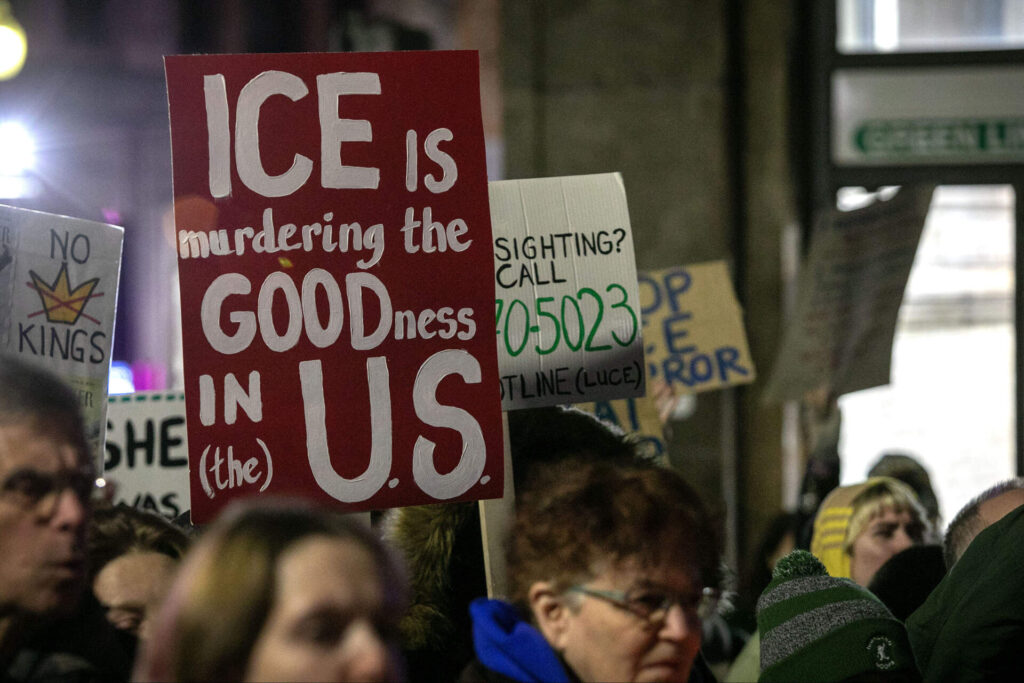
Political reactions have been sharply divided. Republican leaders largely framed the shooting as self-defense, emphasizing officer safety, while Democratic officials and advocacy groups demanded comprehensive investigations and policy reforms to address what they see as systemic problems.
Media and Public Perception
Coverage varied across outlets. Conservative media emphasized the dangers faced by federal officers, while progressive platforms focused on Good’s death and broader concerns about ICE practices. Experts caution that partial video footage can oversimplify complex events, fueling polarized public opinion.
Philanthropy and Public Support
Billionaire investor Bill Ackman contributed a substantial donation to a GoFundMe campaign supporting the ICE agent, Jonathan Ross, citing legal and personal expenses amid threats. Ackman stressed that his support was intended to ensure due process rather than express political allegiance. Reactions mirrored broader societal divisions, with some praising the gesture and others questioning its implications.
Ongoing Investigation
Federal and local authorities continue to review body-camera footage, witness statements, and forensic evidence. Legal analysts note that the central issue will be whether the officer’s perception of imminent threat was reasonable and consistent with protocol and training.
Conclusion
The Minneapolis ICE shooting extends far beyond a single tragic encounter. It has become a lens through which issues of immigration enforcement, public accountability, officer safety, and societal trust are being examined. As investigations proceed, the case underscores the complexity of split-second decisions, the influence of public perception, and the lasting consequences of irreversible actions.
Whether it prompts policy change, institutional reflection, or deeper societal divisions remains uncertain—but the eventual silence following the outrage may prove as consequential as the controversy itself.