
At first, it looks like just another shaky clip scrolling past on a phone screen—seconds of confusion, raised voices, a struggle beside a parked car.
But as the footage spreads, questions begin to surface: what happened before the camera started rolling, who was in control, and whether this confrontation was inevitable or preventable. In a city still carrying the weight of past trauma, the video has reopened wounds that were only beginning to heal.
At the center of the controversy is the fatal shooting of 37-year-old Renee Nicole Good, a mother of three who was killed by an ICE officer during a federal enforcement operation in Minneapolis on January 7, 2026. The shooting, captured in part on bystander video, quickly drew national attention and sparked protests, vigils, and renewed scrutiny of federal law-enforcement tactics in urban neighborhoods.
According to public statements and media reporting, Good was stopped in a residential area during the operation. As neighbors gathered, an ICE agent discharged his weapon, killing her at the scene. ICE and the Department of Homeland Security have maintained that the officer acted in self-defense, asserting that the agent believed Good’s vehicle posed an immediate threat.
That account has been challenged by local leaders and civil rights advocates, who argue that the available video does not clearly support the claim that the vehicle was being used as a weapon. Competing interpretations of the footage have fueled public anger and intensified calls for transparency, independent investigations, and accountability.
The killing of Renee Good quickly became a rallying point. Demonstrations spread throughout Minneapolis and beyond, with protesters demanding answers not only about the shooting itself but about the broader presence and authority of federal agents operating in residential communities.
National Reactions and Political Fallout
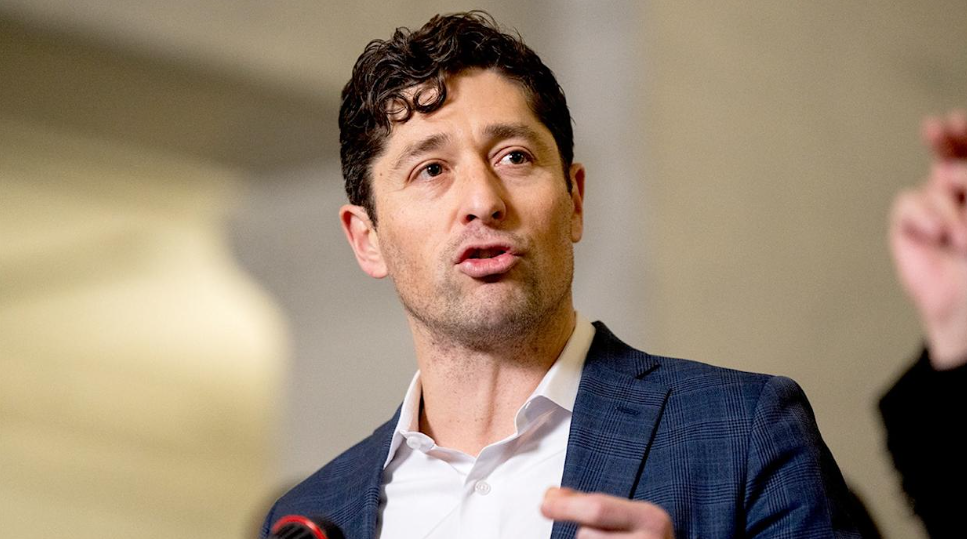
The incident prompted responses at multiple levels of government. Minnesota officials, including the governor and city leaders, called for independent oversight and tighter limits on federal enforcement actions within the state. Some officials pursued legal avenues aimed at restricting or pausing ICE operations.
The U.S. Department of Justice later announced it did not see grounds for a federal criminal civil-rights investigation at this time—a decision that drew sharp criticism from civil-rights organizations and legal experts. Good’s family retained a prominent civil-rights law firm to conduct its own investigation and pursue legal remedies, signaling that the case is far from resolved.
Second Video Intensifies Scrutiny
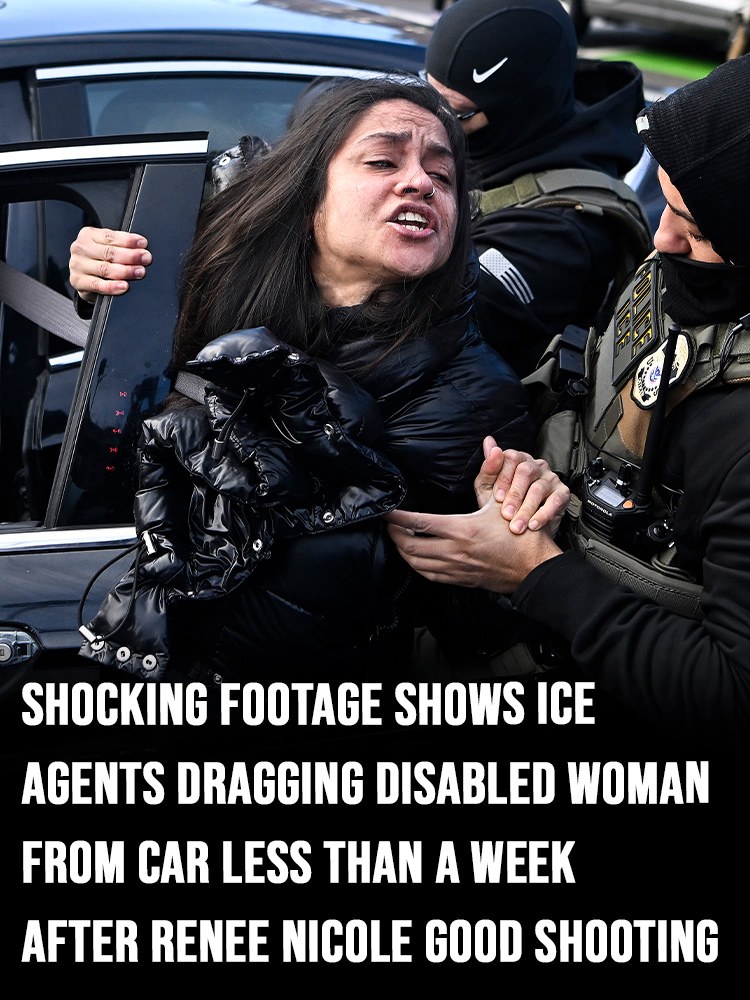
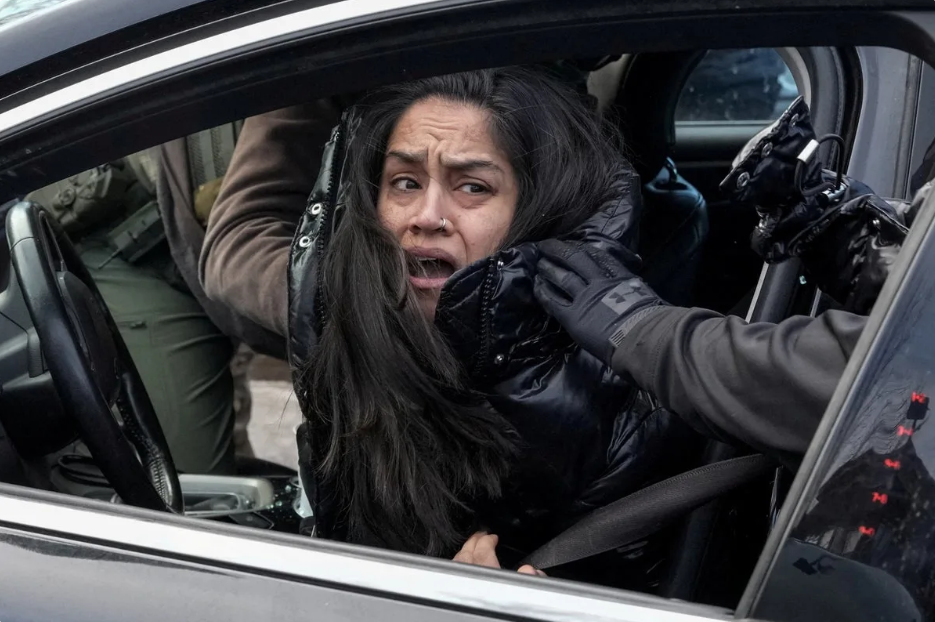
Days later, a separate video reignited outrage. On January 13, 2026, footage surfaced showing another encounter involving federal agents in Minneapolis. The clip shows several agents approaching a woman seated in her car. As she attempts to leave, two agents open the door and pull her to the ground.
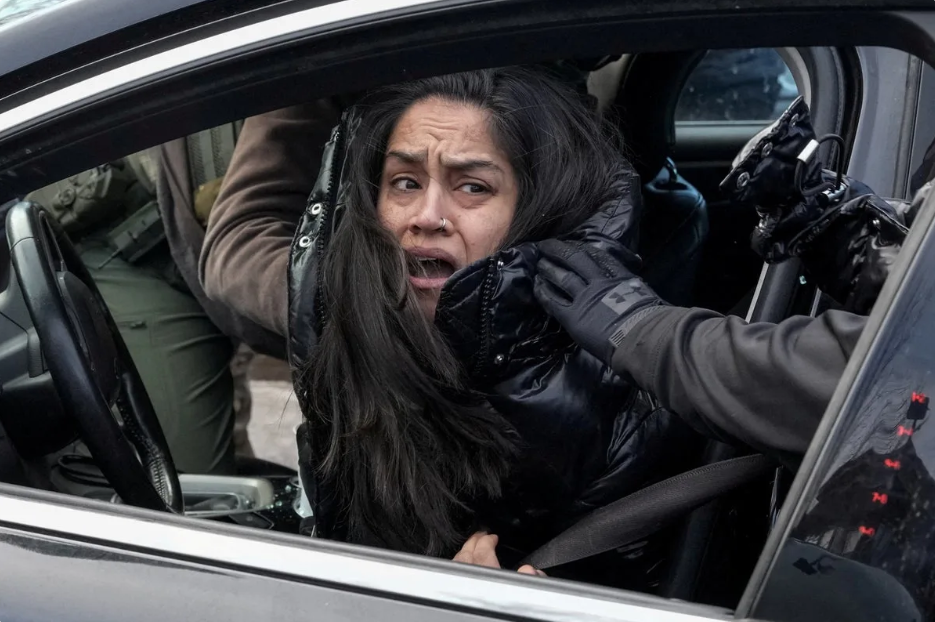
In the video, the woman repeatedly states that she is disabled and autistic, explaining that she was trying to reach a medical appointment and could not move quickly. Bystanders react with visible distress, shouting objections and questioning the agents’ actions. One voice is heard asking, “Where is your humanity?”
Details surrounding the encounter remain disputed. Some reports suggest the vehicle may have been obstructing agents or positioned near protest activity, but those claims are not clearly substantiated by the footage alone.
Rising Street-Level Tensions
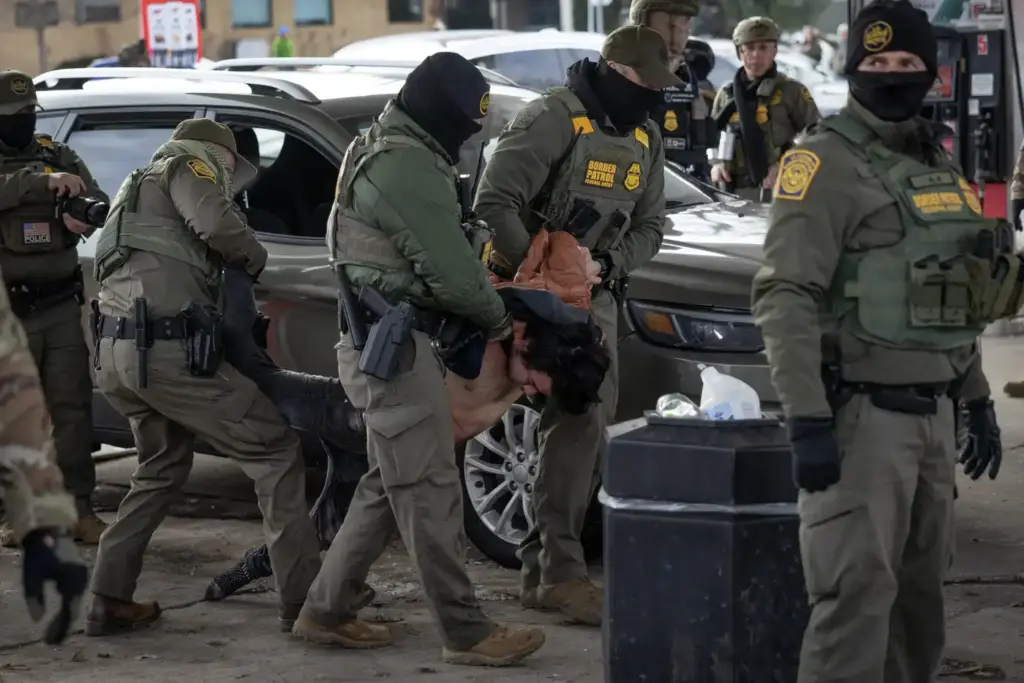
The second incident occurred amid heightened tensions following protests over Good’s killing. Reports indicate that crowd-control measures, including tear gas and pepper balls, were used during clashes between protesters and federal officers, further inflaming public concern.
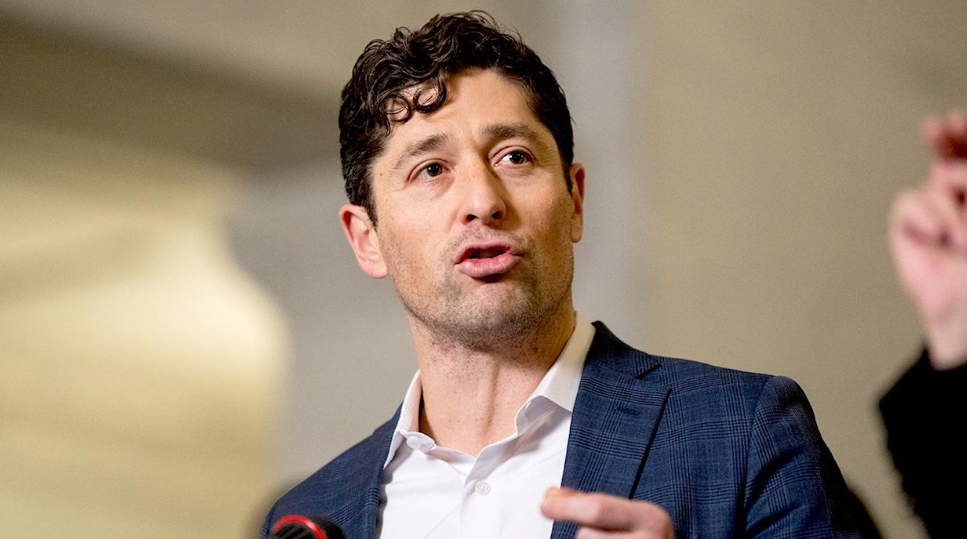
The presence of masked, heavily equipped agents interacting with civilians in residential areas has become a focal point of debate. Minnesota’s Democratic leaders condemned the incidents, emphasizing that enforcement actions must respect civil rights and prioritize de-escalation.
Federal officials defended ICE operations, stating that agents were operating lawfully in a complex, high-risk environment. DHS emphasized that officers receive training on interacting with vulnerable individuals, while also stressing the need to protect agent safety.
Critics argue that the footage raises serious questions about proportionality, disability accommodations, and the adequacy of de-escalation tactics—especially when disabled individuals are involved.
Legal and Civil Rights Implications
Both incidents carry significant legal consequences. The shooting of Renee Good remains under review by multiple agencies, while her family’s civil case seeks clarity and accountability. ICE continues to assert that the officer acted within legal bounds.
The second confrontation has prompted renewed focus on disability rights during law-enforcement encounters. Advocates cite obligations under the Americans with Disabilities Act, which requires reasonable accommodations even during enforcement operations.
Legal experts note that balancing federal authority, public safety, and individual rights creates an exceptionally sensitive legal landscape—one that demands clear rules, oversight, and restraint.
A City Once Again at the Center
Minneapolis has once again become a national symbol in debates over policing, federal power, and civil liberties. Protests, vigils, and demonstrations continue, reflecting deep unease about the use of force and the role of federal agents in local communities.
Online, reactions remain sharply divided. Some emphasize the dangers officers face, while others point to patterns of escalation and insufficient accountability.
Conclusion
The events unfolding in Minneapolis in early January 2026 reflect far more than isolated incidents. The fatal shooting of Renee Nicole Good and the viral footage of a disabled woman being pulled from her car have crystallized broader tensions surrounding federal immigration enforcement, civil rights, and public trust.
As investigations proceed and legal challenges advance, these cases are likely to shape national conversations about accountability, use of force, and the treatment of vulnerable individuals.
For many observers, the lesson is clear: without transparency, oversight, and meaningful safeguards, the divide between enforcement objectives and community trust will continue to grow—long after the videos fade from view.