
Billie Eilish’s Grammy Remarks Spark National Debate on Land, Immigration, and Responsibility
The words were brief, yet they reverberated instantly across social media and news outlets: a Grammy acceptance speech, a sharp critique of immigration policy, and an acknowledgment of land history.
What began as a moment of celebration quickly became a flashpoint, raising questions about property, privilege, and the responsibilities of public figures. Now, the very people whose history intersects with that land have stepped forward—quietly, firmly, and with a perspective that could not be ignored.
A Grammy Speech That Sparked a Firestorm
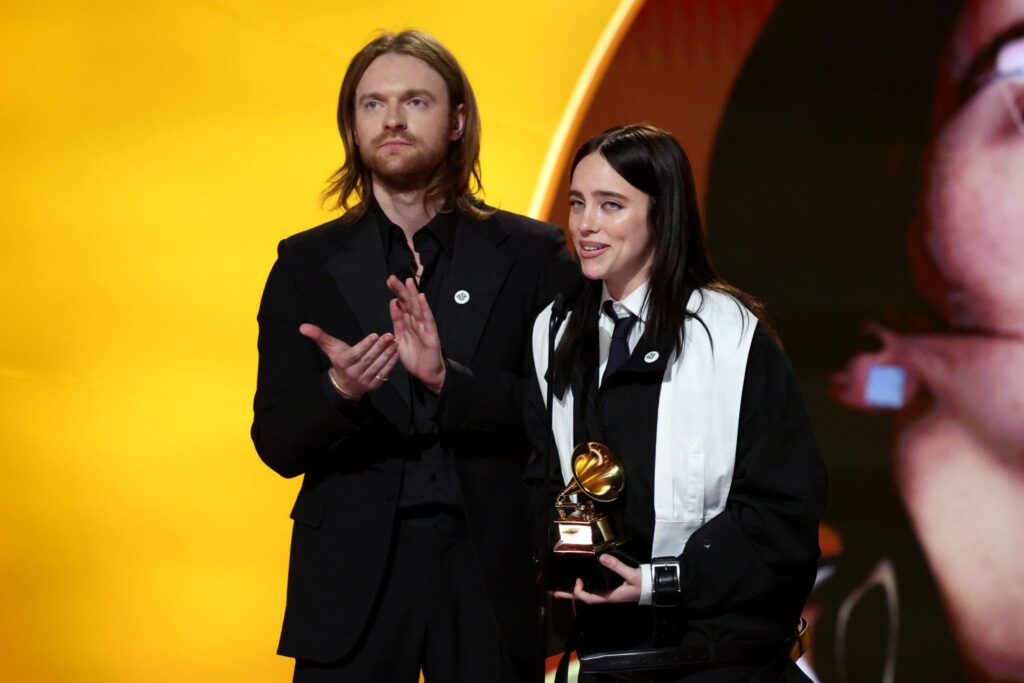
At the 68th Grammy Awards, Billie Eilish, 24, accepted Song of the Year for “Wildflower”, speaking alongside her brother and collaborator, Finneas. In a moment blending celebration and commentary, she declared:
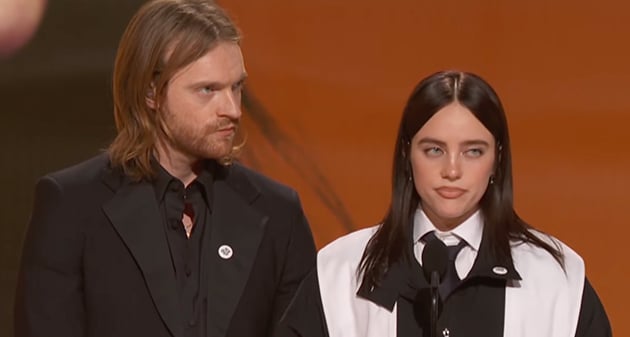
“No one is illegal on stolen land.”
“And f**k ICE, that’s all I’m gonna say, sorry!”
The remarks referenced the historical colonization of North America and criticized current immigration enforcement. Supporters praised her candor and willingness to highlight Indigenous and immigration issues on a global stage. Critics, however, questioned the consistency of her message, pointing to her multimillion-dollar home in Los Angeles.
The Tongva Tribe Responds
Los Angeles sits on the ancestral lands of the Gabrieleno Tongva people. In the days following the viral reaction, the tribe issued a statement through a spokesperson:
“We appreciate the opportunity to provide clarity regarding the recent comments made by Billie Eilish. As the First People of the greater Los Angeles basin, we understand her home is situated on our ancestral land.”
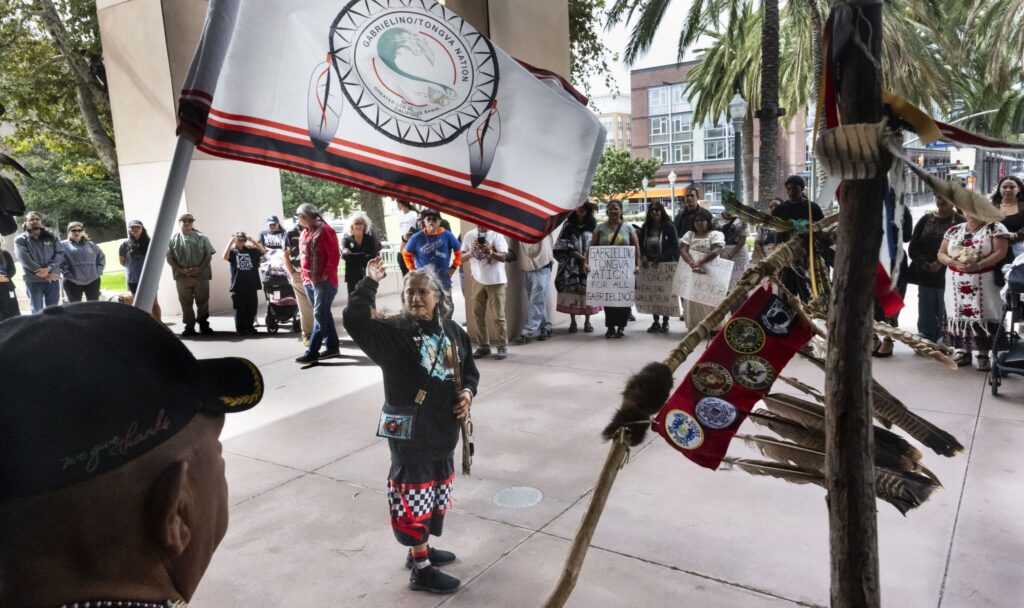
The statement emphasized that Eilish had not yet directly consulted the tribe regarding her property, though they welcomed public acknowledgment of Indigenous history. The tribe encouraged future references to explicitly recognize their community, ensuring Los Angeles is understood as Gabrieleno Tongva territory. Reports indicate representatives reached out to Eilish’s team to convey this perspective.
Public Reaction and Calls for Action
Online debate intensified. Some argued that if Eilish truly believes in “stolen land,” she should return her mansion or provide sanctuary for undocumented migrants. Conservative commentators echoed similar sentiments. Senator Mike Lee suggested anyone acknowledging “stolen land” should relinquish property, while Minnesota Representative Walter Hudson questioned why such acknowledgments aren’t paired with tangible action. Florida Governor Ron DeSantis dismissed the remarks as “stolen land nonsense,” and Elon Musk responded with a curt “Exactly” to a related post.
Critics often framed the controversy around the perceived disconnect between celebrity activism and personal wealth, questioning the sincerity of such statements.
The Broader Context of Immigration Debate
Eilish has long criticized U.S. Immigration and Customs Enforcement (ICE), citing misconduct in enforcement operations. Her Grammy remarks reinforced that stance, coinciding with ongoing national debates over immigration policy and federal raids, including incidents in Minneapolis.
Celebrity, Accountability, and Public Discourse
The exchange illustrates a recurring tension in American society: the intersection of fame, historical accountability, property rights, and political advocacy. For supporters, Eilish’s words highlight systemic issues tied to colonization and migration. For critics, they reveal perceived inconsistencies between public messaging and personal circumstances.
The Tongva tribe’s measured response adds nuance—acknowledging the historical truth of Indigenous lands while urging clear representation in public discourse about Los Angeles’ origins. This emphasizes that acknowledgment requires thoughtfulness, not only from celebrities but also from the public engaging with history.
Eilish has not issued further commentary on her Grammy remarks since the ceremony.
Conclusion
Billie Eilish’s Grammy speech demonstrates how a few words can ignite national conversation, forcing a reckoning with history, activism, and responsibility. The Tongva tribe’s response reminds the public that Indigenous communities remain central to these discussions, and acknowledgment must go beyond symbolism.
In a world where celebrity and activism often collide, the episode underscores the importance of careful engagement, historical awareness, and dialogue grounded in respect.