
Zoraya ter Beek and the Complex Ethics of Psychiatric Euthanasia
What initially appeared to be a straightforward personal decision soon raised quiet questions among observers—not just about one individual’s circumstances, but about what might remain unsaid behind carefully chosen words, lengthy evaluations, and repeated medical assessments that rarely reach the public eye.
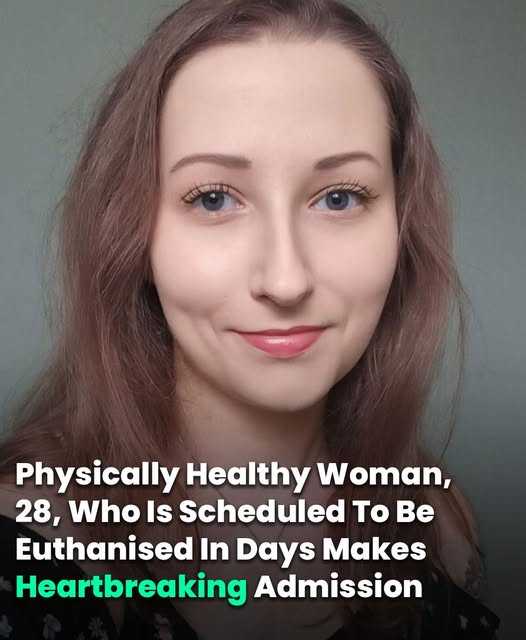
The case of Zoraya ter Beek, a 28-year-old woman from the Netherlands, has become a focal point in an international conversation about euthanasia, personal autonomy, and the ethical responsibilities of modern healthcare.
Her public statements about pursuing euthanasia due to psychiatric suffering have drawn both support and criticism, reflecting deep societal divisions in how mental illness, suffering, and the right to choose one’s own end of life are interpreted.
In the Netherlands, euthanasia is legally permitted under strict and carefully regulated conditions. The law requires that a patient experience “unbearable suffering with no prospect of improvement,” make a voluntary and thoroughly considered request, and undergo evaluation by multiple independent physicians. These safeguards are designed to ensure that decisions are not impulsive and that all alternatives have been explored before euthanasia is approved.
While most cases involve terminal physical illness, Dutch law also allows eligibility for severe psychiatric conditions. Such cases typically involve additional scrutiny, including prolonged psychiatric evaluations and multiple specialist assessments to determine whether the condition is truly treatment-resistant and whether the patient’s request is consistent, informed, and stable over time.
Zoraya ter Beek has described a life marked by long-term mental health challenges. She reports diagnoses including severe depression resistant to treatment, autism, and borderline personality disorder.
Over years, she has undergone various therapeutic interventions—medications, psychological therapies—without experiencing sustained relief. She describes a repeated cycle of hope and disappointment, which compounded her suffering over time.
Her case has received widespread attention because it sits at the intersection of medical ethics, mental health care, and individual rights. Supporters argue that psychiatric suffering can be as debilitating and enduring as physical pain, and that excluding individuals with mental illness from euthanasia eligibility may constitute an unequal application of compassion and autonomy.
They also stress that the Dutch system does not treat such decisions lightly. Psychiatric cases involve multiple evaluations, consultations with independent psychiatrists, ethics reviews, and often long observation periods to ensure that the patient’s wish is consistent and not influenced by temporary emotional states.
Critics, however, raise significant ethical and clinical concerns. Many mental health professionals emphasize that conditions like depression can distort perception and judgment, creating persistent hopelessness that may not reflect the full potential for recovery. From this perspective, the desire to die may itself be a symptom of the illness, complicating questions of autonomy and informed consent.
Concerns also extend to broader societal implications. Critics argue that expanding euthanasia for psychiatric conditions could unintentionally shape attitudes toward mental illness, potentially conveying that psychological suffering is less worthy of treatment and innovation than physical illness. They call for increased investment in mental health care, improved access to emerging therapies, and long-term support before considering euthanasia as a solution.
The case raises profound philosophical and ethical questions, particularly around defining “unbearable suffering.” Unlike many physical illnesses measurable through tests, psychiatric suffering is subjective and can fluctuate over time, complicating determinations of irreversibility. Consent, too, is complex: mental illness can influence cognition and emotional regulation, making it difficult to ensure that a patient’s request is fully informed and free from the distortions of their condition.
Safeguards are central to jurisdictions permitting euthanasia. In the Netherlands, repeated evaluations, second opinions, and ongoing assessments are standard. Psychiatric cases may require multidisciplinary teams and extended timelines to confirm the consistency of a patient’s wishes.
Zoraya ter Beek has described her decision as a search for relief from enduring suffering—a personal expression of agency after years of attempting conventional treatment. Mental health professionals, however, emphasize that suicidal ideation is often treatable, even when previous interventions fail. Emerging therapies, novel medications, and integrated models combining psychological, medical, and social support continue to expand the possibilities for improvement. Treatment resistance does not necessarily mean that options are exhausted indefinitely.
Her case has become more than a personal story; it is a symbol of a broader societal conversation. It challenges policymakers, ethicists, and medical professionals to balance compassion for suffering with caution, to craft laws capable of addressing complex, deeply personal circumstances while maintaining consistent ethical standards.
Ultimately, cases like Zoraya ter Beek’s do not yield simple answers. They highlight the limitations of medical science and legal frameworks when confronted with human suffering that is difficult to measure or predict. They underscore the importance of ongoing dialogue, rigorous evaluation, and respect for diverse perspectives in shaping policies affecting vulnerable populations.
Conclusion
The debate surrounding Zoraya ter Beek and psychiatric euthanasia highlights a complex intersection of ethics, medicine, and human rights. It underscores the tension between respecting individual autonomy and ensuring that decisions influenced by mental illness are truly informed and stable. While some view psychiatric euthanasia as an extension of compassionate care, others caution that it demands extreme care due to the unpredictable and potentially treatable nature of mental illness.
Rather than providing definitive answers, this case emphasizes the need for nuanced understanding, stringent safeguards, and continued investment in mental health treatment. It serves as a reminder that discussions of end-of-life decisions are rarely purely medical—they are profoundly human, shaped by suffering, hope, uncertainty, and the ongoing effort to define dignity in the face of hardship.