
Cannabis vs. Alcohol: The Risk We’ve Been Getting Wrong?
For a long time, cannabis has worn the label of the “safe” substance—especially when compared to alcohol. Alcohol destroys livers, fuels violence, and fills emergency rooms. Cannabis, by contrast, has been framed as mild, natural, and even therapeutic.
But what if that contrast is misleading?
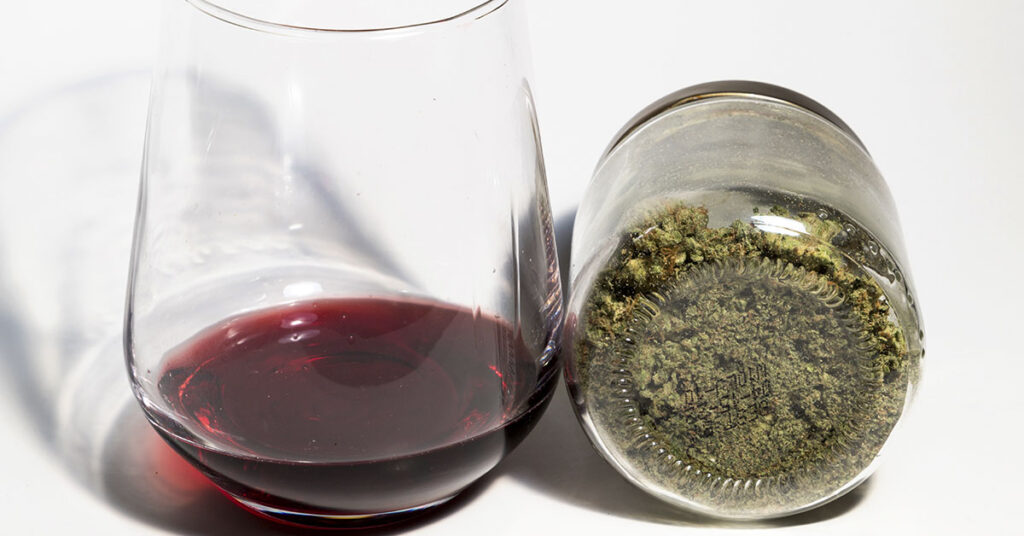
New research suggests that cannabis may not be the harmless alternative many people believe it to be. While alcohol’s damage is often immediate and obvious, cannabis may cause slower, quieter harm—affecting the brain, heart, and mental health in ways that don’t always show up until years later.
Psychiatrist and brain-imaging specialist Dr. Daniel Amen argues that the conversation needs to change. “Neither substance is good for the brain,” he says. Alcohol causes more deaths overall—but cannabis may carry underestimated risks that deserve serious attention.
What Brain Scans Reveal
Dr. Amen’s clinics have analyzed tens of thousands of brain scans using SPECT imaging, a technique that measures blood flow and activity in different brain regions. What they’ve found challenges common assumptions.
Both alcohol and cannabis are associated with accelerated brain aging. However, cannabis shows particularly strong links to reduced activity in areas responsible for memory, focus, impulse control, and emotional regulation.
Alcohol often leads to visible crises—accidents, arrests, injuries. Cannabis, by contrast, may slowly diminish brain efficiency over time. People can appear functional while experiencing subtle declines in motivation, judgment, and cognitive flexibility.
In other words, alcohol tends to crash the system. Cannabis may quietly wear it down.
A Condition Few People Expect: CHS
One of the clearest signs that cannabis isn’t universally benign is the rise of cannabinoid hyperemesis syndrome (CHS).
CHS causes recurring episodes of severe nausea, vomiting, and abdominal pain—sometimes so intense that patients repeatedly visit emergency rooms. Ironically, many users turn to cannabis to treat nausea, only to worsen it.
So prevalent has this condition become that it now has its own diagnostic classification, allowing hospitals to track cases more accurately. High-potency, frequent use—especially among younger users—appears to carry the greatest risk.
The Heart Risk That’s Gaining Attention
Perhaps most surprising is the growing evidence linking cannabis to cardiovascular problems.
Large population studies involving millions of adults under 50 have found that cannabis users face significantly higher rates of heart attacks, strokes, and heart failure compared to non-users. These findings persist even after accounting for smoking, obesity, and other risk factors.
This challenges the perception that cannabis mainly affects the mind. The heart appears to be far more vulnerable than many people realize—especially with modern, high-THC products.
Smoke Is Still Smoke
Another myth is that cannabis smoke is gentler than tobacco smoke.
In reality, inhaling any burned plant material introduces toxins and inflammatory particles into the lungs and bloodstream. Physicians report chronic marijuana smokers showing lung damage, scarring, and reduced oxygen exchange—conditions that can impair brain function and worsen anxiety or depression over time.
The delivery method matters, but the assumption that cannabis smoke is “clean” or harmless does not hold up under scrutiny.
Alcohol’s Damage Remains Severe—and Well Known
None of this minimizes alcohol’s harm.
Alcohol remains one of the leading causes of preventable death, contributing to cancers, liver failure, neurological decline, accidents, and violence. Even low levels of drinking have been associated with increased cancer risk and faster brain aging.
Alcohol’s damage is often dramatic and public. Families, hospitals, and legal systems feel its impact daily.
Dependence and Mental Health
Both substances can lead to dependence, though in different ways.
Roughly one-third of cannabis users develop some level of cannabis use disorder, with higher vulnerability among adolescents and daily users. Alcohol addiction is more common and often more destructive—but cannabis dependence can quietly drain motivation, memory, and emotional stability.
Mental health is another key difference. Heavy cannabis use has been linked to increased anxiety, depression, paranoia, and psychosis—especially in people with genetic or developmental vulnerability. Alcohol, meanwhile, often worsens mood disorders and impulse control.
Neither substance is neutral when it comes to mental well-being.
Risk Isn’t Equal for Everyone
The impact of alcohol or cannabis depends heavily on dose, frequency, potency, and personal biology.
Occasional use is not the same as daily exposure. High-THC products carry different risks than lower-potency ones. Young brains, in particular, appear more sensitive to cannabis-related cognitive and psychiatric effects.
Likewise, alcohol poses greater danger to people with liver disease, cancer risk, or a history of addiction. There is no one-size-fits-all answer—only informed choices.
How Psychiatry Views the Issue Now
The modern psychiatric perspective is no longer “alcohol bad, cannabis safe.”
Instead, clinicians recognize a trade-off:
Alcohol causes more deaths, accidents, and social harm.
Cannabis may cause more subtle but cumulative damage to the brain, heart, and mental health.
The shared recommendation is simple: reduce exposure, avoid smoking when possible, monitor changes in mood or cognition, and seek help if use becomes difficult to control.
The Bottom Line
Neither alcohol nor cannabis is harmless.
Alcohol’s destruction is loud and immediate. Cannabis’s risks are quieter, often unfolding slowly in the background of daily life. Both substances affect the brain, the body, and long-term health in ways that are still being fully understood.
The safest approach isn’t choosing one over the other—it’s questioning how much, how often, and why either is being used at all.
Sometimes, the most dangerous substance isn’t the one that scares us most—but the one we underestimate.