
For generations, cancer researchers have pursued an idea that once sounded almost mythical: a broadly effective cancer vaccine capable of helping the immune system recognize and attack many different tumors.
While the notion of a single cure-all remains unrealistic, new findings from the University of Florida suggest that a flexible, immune-boosting platform may be closer than previously believed. Borrowing lessons from COVID-19 mRNA vaccines, scientists are now exploring a radically different way to awaken the body’s defenses against cancer—without targeting a single tumor type.

Rethinking What a “Universal” Cancer Vaccine Means
The phrase “universal cancer vaccine” can be misleading. Researchers are not claiming to have created a single injection that cures every cancer. Instead, the goal is a versatile vaccine platform that can broadly stimulate the immune system, making it better equipped to recognize and fight tumors across multiple cancer types.

For patients with advanced or treatment-resistant cancers, even modest improvements in immune response can mean longer survival or improved quality of life. In that context, a broadly applicable immunotherapy approach could be transformative.
Why Cancer Vaccines Have Been So Difficult
Unlike viruses or bacteria, cancer cells originate from the body’s own tissues. This makes them difficult for the immune system to recognize as threats. Many tumors also actively suppress immune responses, disguising themselves as normal cells or creating environments that weaken immune attack.
Traditional cancer vaccines generally follow two paths:

Shared-antigen vaccines, which target proteins commonly found on certain cancers
Personalized vaccines, built from an individual patient’s tumor
Both approaches have shown promise but often deliver limited or inconsistent results. Tumors evolve, adapt, and evade immune detection, making durable responses difficult to achieve.

How mRNA Technology Changes the Approach
mRNA vaccines—widely known from their role in combating COVID-19—do not contain live pathogens. Instead, they deliver genetic instructions that prompt cells to briefly produce proteins that activate the immune system.

For cancer research, this technology offers unprecedented flexibility. Scientists can rapidly redesign mRNA sequences, amplify immune signaling, and adjust the vaccine’s effects without rebuilding the entire platform. This makes mRNA uniquely suited for experimental cancer therapies.
The University of Florida Breakthrough
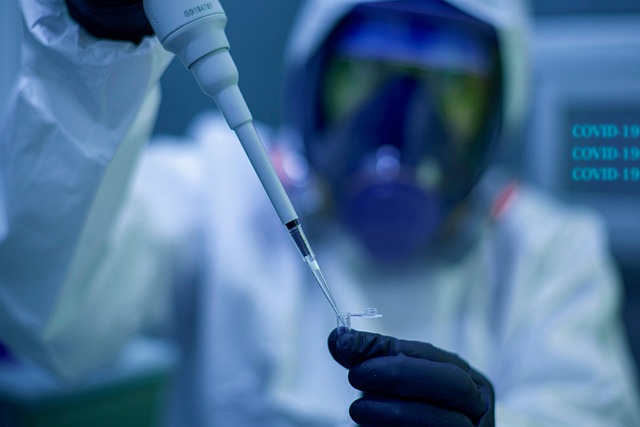
In the new study, University of Florida researchers used mRNA in an unconventional way. Rather than encoding a specific tumor protein, the experimental vaccine broadly stimulated immune activity. When combined with immune checkpoint inhibitors—drugs that release the “brakes” on T cells—the results were striking in animal models.

Checkpoint inhibitors target PD-1 proteins that normally limit immune responses. While these drugs help some patients, many tumors remain resistant. The mRNA vaccine appeared to change that dynamic by increasing immune signaling within tumors, making them more vulnerable to attack.
In mouse models, tumors that previously resisted treatment slowed dramatically or shrank when the mRNA vaccine was paired with PD-1 inhibitors.
A New Direction for Cancer Vaccines

UF researchers describe their work as a “third paradigm” in cancer vaccination. Instead of focusing solely on tumor antigens or individual customization, this approach prioritizes immune activation itself—essentially preparing the immune system to fight whatever cancer it encounters.
Senior researcher Elias Sayour noted that the antitumor effect occurred without targeting cancer-specific markers, an unexpected finding that suggests broader potential. Co-author Duane Mitchell emphasized that this strategy could serve as a foundational platform adaptable to many cancer types.
What the Animal Studies Revealed
The research team tested multiple cancer models in mice, including melanoma, brain, bone, and skin cancers. In resistant melanoma models, the combination therapy produced significantly stronger immune responses. In some cases, tumors disappeared entirely.
However, these results remain confined to animal studies. Mice have simpler immune systems than humans, and therapies that succeed in animals often face major hurdles in clinical trials.
Building on Prior Research
This work builds on earlier University of Florida studies involving personalized mRNA vaccines for aggressive brain cancers like glioblastoma. In those early human trials, researchers observed rapid immune activation, drawing attention across the oncology community.
Additional studies in veterinary medicine—particularly in dogs with brain tumors—have also shown encouraging immune responses. The new “universal” approach extends this research by amplifying immune readiness rather than targeting individual tumors.
From Lab Bench to Hospital Bedside

Moving from mice to humans is one of the greatest challenges in cancer research. Human tumors develop over years and interact with complex immune environments shaped by age, genetics, and prior treatments.
Broad immune activation also carries risks, including inflammation, fever, or unintended tissue damage. Early human trials will focus on safety first, carefully measuring immune responses before evaluating long-term cancer control.
What Comes Next
University of Florida researchers are now refining the vaccine’s formulation and planning cautious early-phase clinical trials. These studies will test the vaccine alongside checkpoint inhibitors to assess safety, immune activation, and early signs of effectiveness.
Independent experts urge optimism tempered with realism. While the results are promising, human outcomes remain uncertain, and established treatments like surgery, radiation, and targeted therapies will remain essential for the foreseeable future.
Conclusion
The University of Florida’s research represents a meaningful step toward a broadly applicable cancer immunotherapy platform. By leveraging mRNA technology to awaken the immune system and enhance existing treatments, scientists may be opening a new chapter in cancer care. While much work remains before human benefit is confirmed, this approach offers renewed hope—especially for patients facing cancers that have resisted every other option.