
Assault at a Minneapolis Town Hall Highlights Rising Threats to Public Officials
Chaos erupted unexpectedly during a Minneapolis town hall when Rep. Ilhan Omar became the target of an alarming attack. As she spoke on immigration enforcement, 55-year-old Anthony Kazmierczak sprayed an unknown liquid across her chest using a large syringe, immediately prompting security intervention. Authorities quickly apprehended him and began investigating his motives amid growing concerns over politically motivated violence.
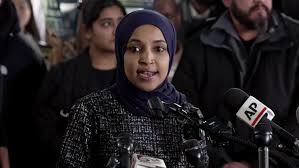
Reports reveal Kazmierczak has a lengthy criminal history, including a 1989 felony auto-theft conviction, multiple DUIs, numerous traffic violations, and past bankruptcies. His social media activity also showcased strong political opinions — support for former President Donald Trump, criticism of Democrats, and controversial statements about reparations and national policy — raising questions about the influence of online rhetoric on real-world actions.
Witnesses described a sharp, vinegar-like smell at the scene, triggering a hazmat response. Officials later confirmed the substance was non-toxic. Despite the assault, Omar returned to the podium and completed her remarks, refusing medical attention. “Fear and intimidation doesn’t work on me,” she stated, linking the attack to ongoing hostility fueled by political rhetoric, which she says has escalated threats against her and her community.
The incident underscores heightened security challenges for lawmakers in an era of intensified polarization. Colleagues including Rep. Pramila Jayapal and Rep. Greg Casar emphasized that violent acts seek to silence elected officials, reinforcing the need for vigilance and protective measures. Federal authorities, including the FBI, continue to investigate Kazmierczak’s background, online activity, and potential broader connections.
Conclusion
The Minneapolis attack on Rep. Omar is more than a single act of violence; it is a stark reminder of the risks public officials face in today’s charged political climate.
Beyond immediate physical danger, the event illustrates the tangible consequences of hostile rhetoric, online radicalization, and the urgent need for comprehensive safety protocols. Protecting democracy requires not only policies and security measures but also a recognition of how words, online and offline, can translate into real-world threats..