
Trump Skips Super Bowl 60, Critiques Halftime and Opening Acts
Super Bowl 60 is shaping up to be historic—but not just for the teams on the field. For the first time since attending a championship in person, former President Donald Trump has chosen to sit out the event.
While he cited travel logistics as the official reason, his unusually candid criticism of this year’s musical lineup has sparked a conversation about where sports, entertainment, and politics intersect.
Trump Declines Attendance

Trump, 79, announced he will not attend Super Bowl 60, scheduled for Sunday, February 8, 2026, at Levi’s Stadium in Santa Clara, California. In a New York Post interview, he cited the distance as a primary factor, saying, “It’s just too far away… They like me at the Super Bowl,” while leaving open the possibility of attending future games closer to home.
Yet travel isn’t the full story. The former president also publicly expressed disapproval of the artists performing this year, signaling deeper tensions beyond logistics.
Halftime and Opening Acts Draw Scrutiny
The 2026 halftime show features Puerto Rican superstar Bad Bunny, known for his Latin trap, reggaeton, and socially conscious lyrics. Bad Bunny has previously voiced opinions on immigration, social justice, and U.S. policies, which have attracted criticism from conservative circles.
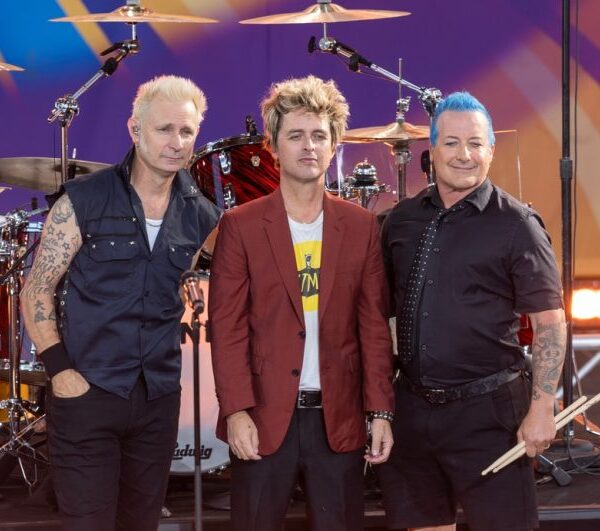
Green Day, the legendary rock band, will perform during the opening ceremony. With decades of politically charged music and outspoken critiques—especially directed at Trump’s administration—their presence adds an unmistakable edge to the event.
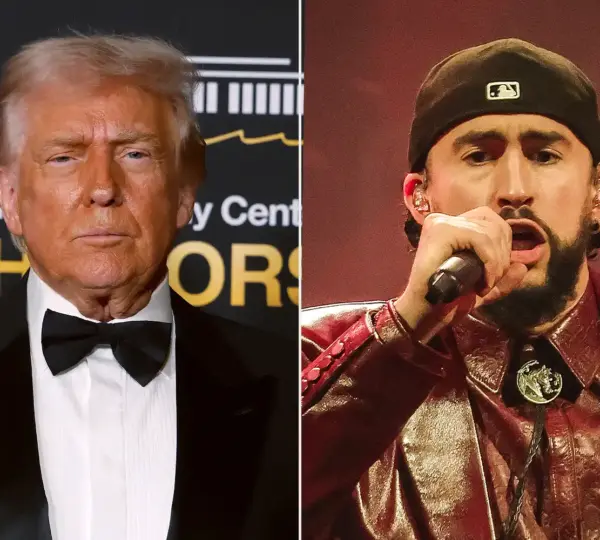
Trump did not mince words: he called the lineup “a terrible choice” and declared himself “anti‑them.” While he emphasized that performance selection was not the sole reason for skipping the game, his statements underline his disapproval of both artists’ politics and cultural messages.
Why This Lineup Matters
Bad Bunny’s music and satire often highlight social inequality and critique U.S. policies, drawing praise from some fans and ire from others. Green Day has similarly used their platform to challenge political leadership and cultural norms.

The NFL, for its part, defended the selections. Commissioner Roger Goodell emphasized the league’s aim to reach diverse global audiences and praised both acts for their broad appeal and cultural impact. Fans are split: some hail the choices as inclusive and innovative, while others echo Trump’s concerns.
Context: Trump and the Super Bowl
Trump made headlines last year as the first sitting president to attend a Super Bowl in person, a milestone that blurred the lines between sports and politics. His absence from Super Bowl 60 comes at a time when high-profile entertainment choices are increasingly scrutinized for their cultural and political resonance.
This year’s matchup between the New England Patriots and Seattle Seahawks will now unfold without Trump in attendance—but his comments have amplified discussions about the intersection of music, sports, and public perception.
Key Details: Super Bowl 60
Date & Venue: Sunday, February 8, 2026, Levi’s Stadium, Santa Clara, California
Teams: New England Patriots vs. Seattle Seahawks
Entertainment: Green Day (opening ceremony), Bad Bunny (halftime show)
Broadcast: NBC, Telemundo, and streaming platforms worldwide
Conclusion
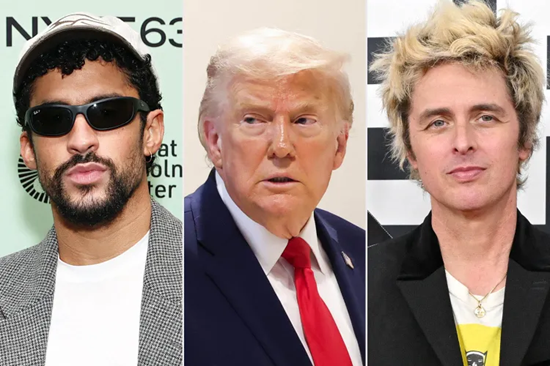
Donald Trump’s decision to skip Super Bowl 60, coupled with his sharp critique of Bad Bunny and Green Day, adds an unexpected layer to this year’s championship. While logistics remain the official reason, the conversation now extends beyond football, touching on culture, politics, and public perception.
Whether this influences future NFL entertainment choices or sparks further debate, Super Bowl 60 will be remembered not only for the touchdowns but for the cultural spotlight it shines on the intersection of politics and performance.