
The image was striking: Donald Trump smiling, medal in hand, standing beside Venezuelan opposition leader María Corina Machado, as if history itself were bending to the moment.
Supporters cheered, cameras clicked, and the optics suggested triumph. Yet behind the staged grandeur lay a simple truth: holding a medal does not make one a laureate.
The scene had been choreographed for maximum effect. Machado, herself a Nobel Peace Prize recipient, posed alongside Trump, creating a photo that suggested legitimacy by proximity.
For many observers, the illusion of honor was enough. Public perception, they seemed to believe, could substitute for official recognition. The narrative mattered more than the rules.
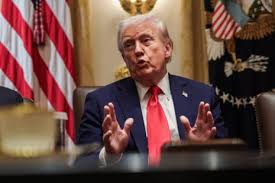
But the Nobel institutions responded quickly. In a rare and pointed public statement, the Nobel Committee and Nobel Peace Center clarified that while a medal can be gifted, displayed, or handled ceremonially, the official title of laureate cannot be transferred.
Machado retains her status; Trump’s possession of the medal does not confer the award. The message was deliberate, measured, and unambiguous, cutting through the pageantry without needing to name names.
Trump departed with the medal — a symbol, yes, but not an honor. The episode illustrates a broader principle: some distinctions are grounded in merit, not optics. No photo-op, no gesture, no display can override the formal recognition earned by achievement.
Conclusion
Ultimately, the medal incident is a reminder of the gap between appearance and authority. A prized object can be held, photographed, and admired, but it cannot transfer the achievement it represents. The Nobel Peace Center’s intervention underscores that prestige is not a prop for a camera — it is earned, verified, and inalienable. Ceremony alone cannot rewrite the rules of recognition.