
The Hidden Purpose of Tiny Dots on Food Packaging
Have you ever noticed small colored dots or squares along the edges of food packaging and wondered what they mean? While they may look like decoration—or even a secret code—they actually serve a very practical purpose in the world of printing and packaging.
These tiny symbols, known as printer’s color blocks or process control patches, are used by packaging manufacturers to ensure the printing process is accurate and consistent. They usually appear in cyan, magenta, yellow, and black, reflecting the CMYK color model used in most commercial printing.
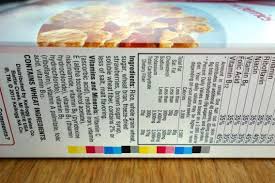
During production, technicians use these patches to check color intensity, alignment, and ink density. By comparing the printed colors to these reference marks, printers can quickly detect errors or inconsistencies and make adjustments in real time.
This helps prevent an entire batch of packaging from being misprinted and ensures that brand colors remain uniform across all products.
Despite appearing on the exterior of packaging, these marks are not related to nutrition, ingredients, or product quality—they exist purely for quality control behind the scenes. Think of them as invisible assistants, silently helping printing teams maintain professional standards.
Conclusion
The next time you spot tiny colored dots or blocks on a package, know that they’re part of a precise quality control system rather than a message for shoppers.
These unassuming marks ensure that every product looks the way it’s meant to, keeping brand presentation consistent and professional—even if most consumers never notice them.